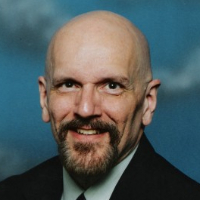
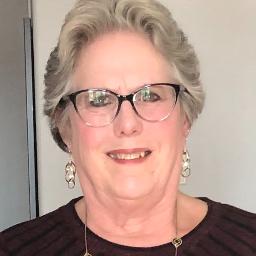
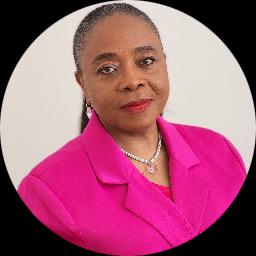
Jack Richey
LCSW
Practical support for stress and relationship strain
- Stress, Anxiety
- Grief
- Self esteem
Clinical social work directory
450 Licensed Clinical Social Workers in this directory hold a license issued in Illinois. Sessions are online; a therapist can usually only see people in the states where they hold a license, so check the license panel on each profile.
Welcome to our Illinois directory of online therapists. All listed clinicians hold the Licensed Clinical Social Worker (LCSW) credential; browse profiles to compare specialties, languages, and experience.
Use the listings below to explore who works with the issues you care about and to learn more about each therapist's background and focus.
LCSW
Practical support for stress and relationship strain
LCSW
Compassionate guidance grounded in decades of practice
LCSW
Experienced LCSW offering steady, practical support
LCSW
Calm, practical support for life’s hard moments
LCSW
Experienced Illinois LCSW helping with mood and relationships
LCSW
Compassionate, practical help for emotional challenges
LCSW
Compassionate, practical help for emotional struggles
LCSW
Grounded support for stress, loss, and addiction recovery
LCSW
Compassionate, practical support for life changes
LCSW
Compassionate, practical help for everyday struggles
LCSW
Compassionate, practical therapy for life transitions
LCSW
Evidence-based care for emotional healing
LCSW
Calm, practical support for life’s hard moments
LCSW
Hopeful, practical mental health support
LCSW
Calm, practical therapy focused on strengths
LCSW
Compassionate, practical support for life challenges
LCSW
Experienced LCSW helping adults through life change
LCSW
Compassionate care for stress and life changes
LCSW
Compassionate, practical therapy for life's challenges
LCSW, LCPC
Practical, collaborative care for everyday challenges
LCSW
Compassionate, practical support for daily challenges
LCSW
Compassionate, practical care for stress and trauma
LCSW
Practical, strengths-based counseling for life's changes
LCSW
Practical therapy for stress, trauma, and life transitions
LCSW
Compassionate, practical support for change
LCSW
Compassionate, practical support for everyday struggles
LCSW
Compassionate, practical therapy for adult concerns
LCSW
Calm, practical support for life’s hard moments
LCSW
Practical, strengths-based help for life’s problems
LCSW
Practical, evidence-informed support for lasting change
LCSW
Compassionate guidance for life and relationship challenges
LCSW
Therapist focused on practical emotional support
Some links on this page are partner links. We will earn a commission if you sign up through one, at no cost to you. It does not change what you pay or the order of the listings.
Online therapy has become a common way for people in Illinois to meet with licensed clinical social workers. LCSWs hold a master's degree in social work, complete a state-set period of supervised post-graduate clinical experience - commonly around two to three years and several thousand hours, varying by state - and pass a clinical licensing exam. The license that grants clinical practice and its exact scope are issued and renewed by state regulators, so practice rules can differ depending on where a clinician is licensed and where you are located when you meet. That regulatory context shapes how online sessions are scheduled and delivered.
This directory lists clinicians who hold an LCSW credential and who indicate they provide online sessions accessible to Illinois residents. The profiles are intended to help you compare focus areas, languages spoken, years of experience, stated approaches and populations served. Because licensing and practice standards are set by the state board, you will also see references to licensure so you can confirm the credential and learn more about a clinician's professional standing.
Online sessions remove many geographic barriers. If you live in a rural county, commute into Chicago, or have limited transportation options, meeting with an LCSW online can reduce travel time and make it easier to fit sessions into a busy schedule. You can select a clinician based on focus and experience rather than strict geography. That flexibility makes it simpler to maintain continuity of care through life changes, such as moving for work or school, while still working with a licensed clinical social worker who understands your needs.
LCSWs bring a person-in-environment perspective that explicitly considers housing, work, family, finances, community resources and access to care alongside a person's internal experience. That orientation can be especially helpful when situations in your environment - like job stress, housing instability, caregiving responsibilities or community barriers - are closely tied to what you want to address in sessions. Online sessions can also make it easier to involve family members or support people who live in different places when that is part of your plan.
Licensed clinical social workers often work with a broad range of concerns that show up in daily life. You will find clinicians who list experience with anxiety, depression, trauma and grief, relationship and family difficulties, parenting challenges, life transitions such as divorce or career change, and stress related to chronic illness or caregiving. Many also work with behavioral concerns related to substance use, workplace stress and adjustment to major life events. Because the social work lens blends personal experience with environmental factors, LCSWs may emphasize practical problem solving and connections to community resources as part of the work.
Some LCSWs focus on particular populations such as adolescents, older adults, veterans, perinatal people, or LGBTQ+ clients. Others highlight work with populations affected by poverty, housing instability or immigration issues. When these contextual factors matter to you, look for profiles that name populations and community issues alongside clinical focus. Remember that a listed therapeutic approach on a profile indicates what a clinician uses in practice; it is not a certification of any single method. You can use profile details to understand whether a clinician has experience with situations similar to yours.
To verify a clinician's LCSW credential, start with the Illinois state licensing board’s online resources. The Illinois Department of Financial and Professional Regulation maintains a license lookup where you can search by name or license number. The license record typically shows the license type, active status, expiration date and any disciplinary history recorded with the board. That information gives you a baseline understanding of whether a clinician holds an active LCSW license and whether there are any regulatory actions on record.
On a profile you may also see a listed license number, education, and years of clinical experience. Use the license lookup to confirm the license number and status. If you want to know more about a clinician’s education or supervised experience, the profile bio will often mention a master's program and general post-graduate experience. The license record and public disciplinary records will not cover every professional detail, so if you have specific questions about supervised hours, continuing education or additional credentials you can ask the clinician to clarify those items directly in a message or during an initial conversation.
Getting started begins with clarifying what matters most to you. Think about the issues you want help with, the kinds of outcomes you hope to see, and any practical needs such as language, cultural background, or experience with certain populations. When you read profiles, look at stated focus areas, populations served, languages spoken, and indications of clinical experience. Keep in mind that a profile description is a snapshot - it cannot convey everything about how a clinician works - but it can help you narrow options so you can focus on profiles that align with your priorities.
Compare profiles for elements that matter to you: the populations a clinician names, the issues they highlight, and whether they list languages you prefer. Pay attention to descriptions of how they describe their work and the kinds of outcomes they discuss. Because the person-in-environment perspective is central to social work, note when a clinician explicitly considers social and practical factors like housing, employment or community resources. Before your first session, choose a comfortable, uninterrupted environment where you can speak candidly, test your internet connection and any required technology, and have a plan for payment and paperwork. It can help to jot down a few goals and questions so you can use your time efficiently.
Fit is shaped by multiple factors - communication style, cultural understanding, clinical focus and practical logistics. Profiles often indicate whether a clinician works with certain populations or areas of concern. Use those details to prioritize clinicians whose experience aligns with your needs. If something in a clinician's profile is unclear, you can ask about it directly in an initial message or intake form. Over time, you'll be able to assess whether a clinician's approach and perspective feel helpful for your situation. Remember that choosing a therapist is a common and pragmatic step toward getting support; taking time to review profiles and verify licensure helps you find a clinician whose background and focus align with what you want to address.