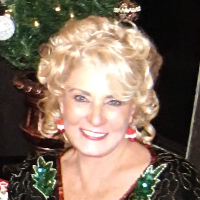
Tinita Samuels
LCSW
Compassionate, practical support for emotional challenges
- Depression
- Stress, Anxiety
- Grief
Clinical social work directory
6,520 therapists list depression among the things they work with. All offer sessions online, and every profile shows the registering body, the membership number and when it runs to.
This page features profiles of licensed clinical social workers (LCSWs) who work with depression. Browse the listings below to review each LCSW's focus areas, approaches, languages, and experience.
LCSW
Compassionate, practical support for emotional challenges
LCSW
Compassionate, practical therapy for stressed parents and adults
LICSW, LCSW
Calm, steady support for life’s hard changes
LCSW
Practical, values-driven therapy for life challenges
LCSW
Compassionate, practical support for life transitions
LCSW
Calm, practical support for everyday mental health
LCSW
Compassionate social worker focused on practical change
LCSW
Calm guidance for grief, anxiety, and relationship struggles
LCSW
Calm, client-led therapy for lasting change
LCSW
Compassionate guidance for relationship and self issues
LCSW
Experienced LCSW supporting life changes
LCSW
Person-centered care with practical tools
LCSW
Helping people navigate stress and relationship pain
LCSW
Compassionate practical support for everyday challenges
LCSW
Compassionate therapist helping people build stronger coping skills
LCSW
Restorative, practical therapy for everyday challenges
LCSW
Compassionate, practical support for life challenges
LCSW
Experienced LCSW offering steady practical support
LCSW
Practical, strengths-based help for life changes
LCSW
Compassionate, practical therapy for addiction and mood issues
LCSW
Forward-focused therapist for practical change
LCSW
Practical, values-focused therapy for life problems
LCSW
Compassionate, practical care for everyday struggles
LCSW
Compassionate, strengths-based therapy for life transitions
LCSW
Compassionate LCSW for practical coping skills
LCSW
Compassionate social worker focused on real-life change
LCSW
Practical support for stress and relationship strain
LCSW
Practical, respectful therapy focused on real life
LCSW
Compassionate, practical care for daily struggles
LCSW
Calm, practical therapy for everyday challenges
Experienced social worker and clinician
LCSW
Practical, evidence-based support for stress and trauma
LCSW
Calm, practical support for everyday struggles
LCSW
Compassionate, practical therapy for everyday struggles
LCSW
Experienced LCSW providing steady support
LICSW, LCSW, CSW
Practical, compassionate support for life transitions
Some links on this page are partner links. We will earn a commission if you sign up through one, at no cost to you. It does not change what you pay or the order of the listings.
Depression describes a range of experiences that can include persistent sadness, loss of interest in activities you once enjoyed, changes in appetite or sleep, low energy, and trouble concentrating. People may also notice increased irritability, feelings of guilt or worthlessness, and difficulties with motivation. These symptoms can vary in intensity and duration. For some people they come and go, for others they are long-standing, and for many they affect daily functioning at home, work, or in relationships.
Depression is not a character flaw and it rarely has a single cause. Biological factors, life events, ongoing stressors, and social conditions can all contribute. Because licensed clinical social workers take a person-in-environment perspective, they look at how your housing, finances, family relationships, work, and community connections interact with your internal experience. That broader view helps make sense of symptoms in the context of your life rather than treating emotions as isolated problems.
You may want to seek help when depression interferes with tasks you need to do, when it makes it difficult to maintain relationships, or when it limits your ability to care for yourself. If you find that low mood is persistent despite efforts to change routines, or that substances are being used to manage feelings, those are common reasons people pursue clinical support. Other indicators include repeated thoughts that trouble you, a loss of interest in previously valued activities, withdrawal from social life, worsening sleep or appetite patterns, or trouble concentrating at work or school.
An LCSW can be a particularly useful choice if life circumstances - such as unstable housing, caring responsibilities, job loss, immigration issues, or limited access to community resources - are part of what you are managing. Because LCSWs are trained to assess both the internal and external factors that shape mental health, they often combine talk-based work with practical problem solving and linkage to services that address material needs. If practical challenges are amplifying your mood concerns, you may find that this combined perspective helps you make progress in a realistic way.
The first sessions with an LCSW usually involve an assessment that covers your symptoms as well as your life circumstances. You can expect a conversation about what you are feeling, how long it has been happening, and how it affects daily life. The LCSW may ask about relationships, work or school, housing, finances, substance use, and any community supports you have. This comprehensive view helps guide a collaborative plan that fits your needs and resources.
After assessment, you and the LCSW typically set goals together. Those goals might include reducing specific symptoms, improving sleep or daily routines, strengthening relationships, or addressing practical barriers like transportation or benefits. Sessions commonly blend reflective conversation with concrete strategies. An LCSW may offer skills for coping with difficult moods, help you organize tasks to rebuild momentum, and assist in planning steps to address environmental stressors. With your permission, they may also coordinate with other professionals or community services when a broader network of support would be helpful. Keep in mind that scope of practice and titles are governed by state boards, so the exact role an LCSW plays can vary depending on where they are licensed.
Licensed clinical social workers use a range of approaches to support people with depression. Many profiles list cognitive behavioral therapy (CBT), interpersonal therapy, behavioral activation, psychodynamic-informed work, and strengths-based or solution-focused approaches among their methods. When reviewing profiles you will see that some therapists emphasize strategies to change patterns of thinking and behavior, while others focus on relationships, meaning, or life story. It is common for an LCSW to integrate several approaches in a person-centered way rather than using only a single method.
What distinguishes social work practice is the consistent emphasis on the person-in-environment. That means your LCSW is likely to explore how your current living situation, work demands, family roles, and access to community resources influence your mood. This framing can lead to interventions that are both psychological and practical - for example pairing skills to manage sadness with steps to improve sleep, adjust work demands, or connect with local supports. Because the directory records only listed approaches rather than verifiable certifications, profiles will typically indicate which methods a therapist uses or prefers. If a particular approach matters to you, look for LCSWs who list that approach among their specialties and who describe how they apply it in practice.
Online sessions can take place by video, phone, or messaging formats depending on what the LCSW and you agree is appropriate. Technology allows many people to meet with an LCSW without traveling, and it can be especially useful if local options are limited or if mobility, caregiving responsibilities, or work schedules make in-person visits difficult. Before starting, you may want to check which communication methods the therapist lists and whether their practice aligns with the laws governing practice in your state, since licensure rules apply to where you are located at the time of service.
Privacy protections vary across platforms, so you can ask about the measures used to protect your information and how records are handled. It is reasonable to clarify logistics such as typical session length, fee structures, whether insurance or sliding scale options are offered, and how emergencies are managed. These practical questions help you choose a fit that works with your life and needs.
When comparing profiles, focus on several practical factors. Consider the LCSW's stated focus areas and the approaches they list, and look for descriptions of experience with issues similar to yours. Note the languages they speak and any cultural competence statements that reflect your background. Compare clinical experience and years in practice, while remembering that a good match often depends on communication style and rapport rather than credentials alone.
It can help to think about what matters most to you in therapy. Do you want short-term, skills-based work, or a longer process that explores relationships and life history? Do you need help with material challenges alongside mood management? If you are interested in online sessions, check that the LCSW lists the modes of communication you prefer. Finally, trust your sense of fit when you reach out - a clear description of how the LCSW works and a comfortable initial conversation are both useful signals that you have found someone to work with.
Choosing an LCSW is a personal step, and using the directory to compare focus areas, approaches, languages, and experience can help you narrow options that match your needs. Whether you are looking for practical problem-solving, help with daily routines, or deeper relational work, licensed clinical social workers bring a perspective that considers both what you feel inside and the life circumstances that shape those feelings.