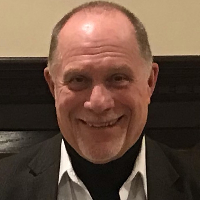
Robert Lindsay
LCSW
Forward-focused therapist for practical change
- Stress, Anxiety
- Relationship
- Family
Clinical social work directory
441 Licensed Clinical Social Workers in this directory hold a license issued in North Carolina. Sessions are online; a therapist can usually only see people in the states where they hold a license, so check the license panel on each profile.
Welcome to our directory of online therapists serving North Carolina. All listed clinicians hold a licensed clinical social worker (LCSW) credential - browse profiles to compare approaches, languages, and experience.
LCSW
Forward-focused therapist for practical change
LCSW
Practical, evidence-based support for stress and trauma
LCSW
Experienced LCSW providing steady support
LCSW, LISW-CP
Compassionate LCSW focused on practical change
LCSW
Compassionate skills-based therapy for real life
LCSW
Compassionate, practical therapy for real-life challenges
LCSW, CSW
Practical support for relationships and life changes
LCSW
Compassionate, practical support for life’s challenges
LCSW
Practical, collaborative therapy for life challenges
LCSW, LISW-CP
Practical, faith-informed therapy for everyday struggles
LCSW
Experienced LCSW helping people through life changes
LCSW
Compassionate social worker helping people find practical change
LCSW
Calm, direct guidance for life and relationship challenges
LCSW
Supportive practical therapy for parents and young adults
LCSW
Hopeful, practical therapy for life changes
LCSW
Guiding practical steps toward healthier living
LCSW, LISW-CP
Calm, practical support for life’s hard moments
LCSW
Practical, relationship-focused clinical social worker
LCSW
Calm, practical therapy for real-life struggles
LCSW, LISW-CP
Practical therapy rooted in values and skills
LCSW
Supportive therapy focused on life and relationship challenges
LCSW, LCSW-R
Compassionate LCSW guiding steady change
LCSW
Practical, coach-style therapy for stress and addiction
LCSW
Practical support for stress and life change
LCSW
Calm, practical therapy for life transitions
LCSW
Practical, person-centered support for stress and trauma
LCSW
Practical support for stress and emotional recovery
LCSW, LICSW
Compassionate, practical support for life transitions
LCSW, LISW
Compassionate care for stress and self-image
LCSW, LISW
Relationship-focused therapy with practical skills
LCSW
Practical support for clearer thinking and motivation
LCSW
Straightforward support for life changes
LCSW
Practical, warm therapy for life transitions
Some links on this page are partner links. We will earn a commission if you sign up through one, at no cost to you. It does not change what you pay or the order of the listings.
If you live in North Carolina and are considering online sessions with a licensed clinical social worker, you are part of a growing pattern of people who use remote care for emotional and behavioral health concerns. LCSWs are licensed by the state and may offer sessions through video or phone formats in line with state regulations. The LCSW credential reflects a graduate degree in social work, a period of supervised post-graduate clinical practice, and successful passage of a clinical licensing examination. Because the license is issued by the North Carolina board, each clinician's scope of practice and the rules for delivering care remotely are set at the state level.
Online options expand reach across urban and rural areas of the state and across different life circumstances. While the exact services an LCSW lists on their profile vary, the credential indicates that the clinician has met the education and supervised practice requirements necessary to work clinically. When you look through profiles, you will see information about approaches they list, focus areas, languages, and professional experience. That context can help you identify clinicians whose background matches what you want to address in online sessions.
North Carolina has guidance for the practice of telehealth that governs how licensed clinicians may provide care across distance. These rules cover elements such as establishing the client-clinician relationship, documentation, and professional standards. If you want greater certainty about what is permitted, the state licensing board provides resources explaining current telehealth policies for social workers. That said, the practical result for many people is that online sessions are a permitted and established way to work with an LCSW across much of the state.
Online sessions offer several practical advantages if you live in North Carolina. For people living in rural counties, where specialized behavioral health providers can be few, remote access often makes it easier to find an LCSW who lists experience with specific issues or populations. You may also find it more convenient to fit sessions into a busy week, manage caregiving responsibilities, or continue care during bad weather without a commute. These logistical gains can make it easier to stay engaged over time, which matters when you are working through complex life concerns.
Beyond convenience, online sessions allow you to work with clinicians across different communities and cultural backgrounds. If language access, cultural perspective, or experience with a particular life stage matters to you, searching profiles for those attributes can help you find LCSWs who list relevant skills or languages. The person-in-environment perspective that distinguishes social work training means that many LCSWs will take into account not only your internal experience but also factors like housing, work, family responsibilities, finances, and community context when you meet online. That broader lens can be especially helpful when your concerns are shaped by circumstances outside of therapy itself.
People choose online sessions with LCSWs for a wide range of concerns. Many seek support for anxiety and depression, stress related to work or family, major life transitions such as divorce or relocation, parenting and family difficulties, grief, and caregiving challenges. LCSWs frequently work with people experiencing the emotional and practical effects of chronic illness, unemployment, and housing instability, because social work training emphasizes the interaction between personal distress and external circumstances.
Online sessions are also used for relationship issues, including communication problems and boundary setting, and for navigating identity-related concerns such as sexual orientation and gender identity. Some LCSWs list trauma and loss among their focus areas, and others indicate experience supporting perinatal mental health, adolescent development, or the needs of older adults. When reviewing profiles, you will see clinicians describe the kinds of concerns they work with and the populations they serve. Because the listing data records only what clinicians state on their profiles, use that information as a starting point to learn more about how a clinician frames their work.
Verifying that a clinician holds an active LCSW license in North Carolina is a reasonable step if you want to confirm credentials. The North Carolina board that issues licenses maintains a public license lookup where you can check a clinician's name and license number. That record typically shows whether the license is active, the date it was issued and when it is due for renewal, and whether there are any disciplinary actions on file. These details give you a clear sense of the license status and history without relying on third-party summaries.
When you review a profile, look for the license number and the exact license title. The LCSW is distinct from other social work credentials that may have different scopes or supervisory requirements. If a profile does not list a license number, you can use the clinician's full name in the state board's search tool. If you have questions about what an entry means, the board's contact information is publicly available and can provide authoritative clarification about licensing status and the scope of practice for an LCSW in North Carolina.
Remember that the LCSW credential indicates advanced social work training, a period of supervised clinical experience after the master's degree, and passage of a clinical exam. It is awarded and maintained by the state board, and scope of practice may vary by jurisdiction. Social work's person-in-environment perspective means that LCSWs often address both the emotional experience and the social conditions that affect well-being. That orientation is a key reason some people choose to work with an LCSW rather than another type of clinician.
Beginning online sessions with an LCSW starts with clarifying what you want to address. Think about the issues that feel most urgent to you, the population or life stage you identify with, and any language or cultural preferences you have. Use profile information to compare focus areas, approaches that clinicians list, languages spoken, and professional experience. Profiles will often describe the kinds of work the clinician does and the populations they serve, and that can help you narrow your options before reaching out to learn more.
When you contact a clinician or their practice to ask preliminary questions, consider asking about their experience with the issues you mentioned, what a typical early session looks like, and how they describe their general approach. Because listing data does not prove specific training, you may also ask which approaches they list among their methods and how they typically apply those approaches in practice. You can inquire about practical matters such as session length, communication methods between meetings, and whether they accept your insurance or offer fee information. Avoid focusing on availability in your search; instead, use profiles to match on focus areas, approaches, credentials, languages, and experience.
Prepare for your first online session by selecting a quiet, quiet space with a reliable internet connection and a device that supports video calls if you plan to use video. Headphones can improve audio quality and help you feel more focused. Give some thought to your goals for early sessions so you can describe them clearly. It is also reasonable to ask upfront about how the clinician documents sessions and what to expect in terms of follow-up or resources between meetings.
Choosing the right clinician can take time, and it is normal to try more than one profile before you find a fit. Look for clinicians whose stated focus areas, experience, and language skills align with what matters to you. Use the information on profiles as a starting point for conversation, and rely on the licensing board lookup when you want to confirm that a clinician's LCSW credential is active and in good standing. With these steps, you can make an informed choice about who to work with for online sessions in North Carolina and begin addressing the concerns that brought you to search.