Clinical social work directory
Therapists licensed in Iowa
9 Licensed Clinical Social Workers in this directory hold a license issued in Iowa. Sessions are online; a therapist can usually only see people in the states where they hold a license, so check the license panel on each profile.
Welcome to our directory of online therapists serving Iowa. All listed clinicians hold an LCSW license issued by a state board - explore the listings to compare focus areas, approaches, languages, and experience.


Kristilee (Kristi) Cappaert
LCSW, LISW
Practical support for stress and relationship challenges
- Stress, Anxiety
- Relationship
- Family

Bradley Chamberlain
LCSW, CSW
Practical, values-based therapy for real life struggles
- Stress, Anxiety
- Addictions
- LGBT
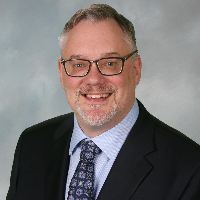

Lindsay DeMarlie
LCSW, LISW
Compassionate practical care for everyday struggles
- Stress, Anxiety
- LGBT
- Trauma and abuse
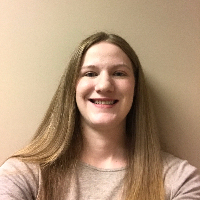
Sheila Funk-Jansen
LCSW, LISW
Experienced LCSW helping people find next steps
- Stress, Anxiety
- Relationship
- Grief

Kathee Foxan
LCSW
Compassionate, practical therapy for everyday struggles
- Stress, Anxiety
- Addictions
- Trauma and abuse

Christy Carter
LCSW, LISW
Practical social work for stress and life changes
- Stress, Anxiety
- Anger
- Career

Some links on this page are partner links. We will earn a commission if you sign up through one, at no cost to you. It does not change what you pay or the order of the listings.
Overview of online therapy in Iowa and the LCSW role
If you are exploring online therapy in Iowa, understanding the role of a Licensed Clinical Social Worker - LCSW - will help you decide if this credential fits your needs. An LCSW holds a master’s degree in social work, has completed a state-set period of supervised post-graduate clinical experience that typically spans several thousand hours over two to three years, and has passed a clinical licensing exam. Licenses are issued and renewed by the state board, so scope of practice and the exact title can vary across jurisdictions. For services delivered to Iowans, an LCSW licensed in Iowa practices under the rules and scope that the Iowa board sets.
Social work training emphasizes a person-in-environment perspective. That means an LCSW will routinely consider housing, work, family, finances, community resources, and access to care alongside a person’s internal experience. If you want a clinician who looks beyond symptoms to the wider context that shapes well-being, an LCSW's education and practice style may be especially relevant. Online sessions with an LCSW aim to bring that broader lens to your conversations, whether you are discussing stress, relationships, or life transitions.
Benefits of online sessions for Iowa residents
Online sessions remove geographic barriers within the state and can make it easier for you to fit therapy into a busy routine. For people living in rural or smaller towns in Iowa, online access reduces travel time and broadens the pool of clinicians you can consider. You can choose a clinician who lists languages, cultural competency, or specific population experience that match your needs without being limited by commute distance.
Beyond convenience, online sessions can offer continuity when life is unpredictable - for example during travel, seasonal work changes, or short-term relocation. The format also supports flexible scheduling and can feel more personal for those who prefer to meet from a quiet room at home or another safe setting. Keep in mind that technology matters: a reliable internet connection, a device with video capability, and a quiet place to talk will make the experience smoother. If you have questions about how an individual clinician uses online sessions - such as session length, communication channels between sessions, or how they manage privacy and records - those are reasonable topics to raise when you review their listing or speak with their office.
Common concerns and issues LCSWs help with online
Licensed Clinical Social Workers who offer online sessions in Iowa commonly work with a broad range of challenges. You can expect many LCSWs to address mood concerns like depression and anxiety, life transitions such as grief, divorce, or career change, and relationship or family dynamics. Because social work training focuses on the interplay between person and environment, LCSWs often support people dealing with stress related to housing, employment, caregiving responsibilities, or financial strain, and they can help connect you to community resources when needed.
LCSWs also frequently work with issues related to trauma, substance use, parenting, and chronic health conditions, always considering how social and environmental factors affect coping and recovery. If you are seeking support for a particular concern, look at a clinician’s listing to see whether they highlight experience with your issue and whether they list languages or population focuses that match your background. Remember that listings reflect how clinicians choose to present their work - the presence of an issue or approach in a profile does not imply a specific credential beyond the LCSW itself, so asking about their experience with your area of concern is a practical next step.
How to verify an LCSW license in Iowa
Verifying a license is an important practical check when you are considering an online clinician. Start by locating the state board that regulates social work in Iowa; most boards maintain an online license lookup or verification tool. Using that tool, you can search by the clinician’s full name or license number to confirm that the license type is LCSW, that the license status is active, and to view expiration dates. The record may also show whether there are any disciplinary actions or restrictions associated with the license.
When you review licensure information, be aware of subtle differences in titles and scope that a state board may note. If you see an unfamiliar note on a license record, you can contact the state board directly for clarification. It is also reasonable to confirm basic background information, such as the clinician’s educational institution and the date of initial licensure. Verifying licensure does not assess fit or expertise, but it does confirm that the clinician holds the credential they list and practices under the regulatory framework for Iowa.
Getting started with an online LCSW and choosing the right fit
When you decide to pursue online sessions with an LCSW, begin by clarifying what you want from therapy. Think about the issues you want to address, whether language or cultural background matters to you, and whether you prefer a particular communication style or session structure. Use those priorities to narrow listings by focus areas, approaches the clinician lists, languages spoken, and overall years of experience. Because the LCSW credential reflects a blend of graduate education and supervised clinical practice, you can also consider the general populations and settings a clinician highlights in their profile.
Before a first full session, prepare practical details: the device you will use, a quiet spot with minimal interruptions, and a list of topics or goals you want to cover. Ask about typical session length, fee structure, payment methods and whether the clinician works with your insurance or offers alternative payment arrangements. You can also inquire about how they handle documentation and privacy practices for online communication. If you rely on community resources or need referrals, ask whether the clinician connects clients to local supports or knows about Iowa-based services that might be relevant.
Questions to consider and what to expect
When you reach out to a clinician, prepare a few questions that matter to you: how they describe their work with people who present similar concerns, whether they list experience with your population or community, and how they structure sessions. If cultural responsiveness is important, ask about languages spoken and experience working with your background. It is appropriate to ask how they define progress and how many sessions they typically recommend for a given concern, while recognizing that each person’s path varies.
Choosing a therapist often involves trying a few conversations to assess fit. Pay attention to whether you feel heard and whether the clinician explains their approach in a way that makes sense to you. If something about the interaction does not feel right, it is reasonable to continue searching until you find a clinician whose style and focus match your needs. Comparing focus areas, approaches listed, credentials, languages, and experience across listings will help you make an informed choice that reflects both professional standards and your personal preferences.
Practical considerations for online care in Iowa
Technology, safety planning, and the limits of online work are practical topics to address before and during online sessions. Make sure you have a device that supports video and a stable internet connection. Identify a personal room or other appropriate setting where interruptions are unlikely, and have a plan for how you will manage disruptions. Because online sessions can cross physical distance, confirm with the clinician where they are licensed to practice and that those arrangements meet Iowa requirements for care delivered to residents.
Finally, consider what you will do in an urgent situation. Ask the clinician how emergencies are handled, what local resources they recommend, and how to contact local crisis services if needed. Being clear about these practicalities helps you get the most from online sessions and ensures you know how to access local supports when necessary. With some preparation and thoughtful comparison of listings, you can find an LCSW whose combination of clinical experience and person-in-environment perspective fits the goals you bring to online care.