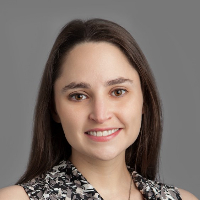
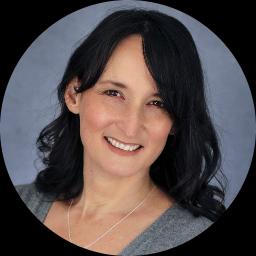
Linda Duffy
LCSW, LICSW
Compassionate practical support for life’s hard moments
- Stress, Anxiety
- Addictions
- Trauma and abuse
Clinical social work directory
17 Licensed Clinical Social Workers in this directory hold a license issued in Massachusetts. Sessions are online; a therapist can usually only see people in the states where they hold a license, so check the license panel on each profile.
Welcome to our directory of online therapists serving Massachusetts. All therapists listed here hold a current LCSW license issued by the state, and you can explore their profiles below.
Use the listings to review credentials, focus areas, languages, and experience to help you identify clinicians who may be a good match for your needs.
LCSW, LICSW
Compassionate practical support for life’s hard moments
LICSW, LCSW
Practical, compassionate therapy for everyday struggles
LICSW, LCSW
Experienced LCSW focused on practical support
LICSW, LCSW
Compassionate, practical support for everyday struggles
LCSW, LICSW
Compassionate, experienced clinical social worker
LICSW, LCSW
Calm, practical support for difficult times
LICSW, LCSW
Practical, strengths-based support for stress and trauma
LICSW, LCSW
Grounded, practical therapy for everyday challenges
LICSW, LCSW
Practical support for stress and life changes
LICSW, LCSW
Experienced LICSW focusing on practical change
LICSW, LCSW
Compassionate therapy for trauma and stress
LCSW
Compassionate, practical mental health support
LCSW, LICSW
Calm, experienced guidance for life’s hard moments
LCSW, LICSW
Mindful, relational therapy for life challenges
LICSW, LCSW, CSW
Practical, collaborative support for life transitions
LICSW, LCSW
Compassionate, practical help for stress and grief
LICSW, LCSW
Helping people navigate stress and life change
Some links on this page are partner links. We will earn a commission if you sign up through one, at no cost to you. It does not change what you pay or the order of the listings.
Over the past decade online sessions with licensed clinical social workers have become a common option for people in Massachusetts seeking behavioral health support. State licensing permits LCSWs to provide clinical services remotely to residents in Massachusetts when the clinician holds a Massachusetts license and follows state practice rules. Technology has expanded how and where social work services are delivered, allowing you to access an LCSW from Boston, the Berkshires, the South Coast, or smaller towns across the state without a lengthy commute. If you live in a rural community or have mobility, caregiving, or work schedule constraints, online sessions can reduce barriers to getting started with a clinician who lists expertise relevant to your situation.
Because each LCSW’s scope of practice and title are governed by their state board, the exact regulatory details and permitted activities vary. The core credential means the clinician completed a master of social work degree, completed a period of supervised post-graduate clinical experience - commonly around two to three years and several thousand hours depending on state requirements - and passed a clinical licensing examination. That combination is what distinguishes an LCSW as a licensed clinical social worker able to provide clinical mental health services in the jurisdictions where they are licensed.
When you choose online sessions with an LCSW you gain several practical advantages. You can connect from home or another convenient location without needing travel time, which helps if you balance work, childcare, or caregiving responsibilities. For people who live far from urban centers, remote sessions expand the pool of licensed clinicians who might support your goals. Online formats can also make it easier to maintain continuity during life transitions when moving across town or returning to in-person obligations might be difficult.
Beyond logistics, LCSWs bring a distinctive person-in-environment perspective that many people find valuable in a remote setting. That perspective means clinicians look at your internal experiences alongside external factors such as housing, work, family, finances, community, and access to services. In practice this often shapes the questions an LCSW asks, the goals you discuss, and how you and the clinician think about solutions that fit your life context. Because this orientation considers the systems around you, it can be especially useful when your concerns are intertwined with life circumstances like job stress, caregiving, or housing instability.
Licensed clinical social workers who offer online sessions in Massachusetts commonly work with a wide range of concerns. You may find clinicians who list experience helping people with anxiety and depression, trauma and post-traumatic stress, grief and loss, relationship and family issues, life transitions such as career change or relocation, parenting and co-parenting challenges, and stress related to chronic illness or caregiving. Some LCSWs also list experience addressing substance use concerns, workplace stress, and difficulties navigating community systems like schools, courts, or social services.
Because LCSWs emphasize the person-in-environment view, you can expect conversations that explore how external circumstances affect your wellbeing. That might mean discussing practical supports, community resources, problem-solving around housing or employment challenges, or coordination with other service providers when appropriate. Profiles for individual clinicians often list the populations they work with and the kinds of life situations they focus on, so you can read those descriptions to see whether a clinician mentions experience that aligns with what you want to address.
Verifying a license is an important step when you are considering online sessions with a licensed clinical social worker. You should be able to confirm that the clinician holds an active Massachusetts LCSW license through the Massachusetts Board of Registration of Social Workers or the state agency that manages professional licensure. On the board’s website you can usually look up license status by name or license number, and find information such as the license issue and expiration dates and any disciplinary history that is part of the public record.
When you check a license record, review the name, license number, and status to ensure they match the clinician’s profile. If you have questions about a listed license or want more context about what the credential allows in Massachusetts, the board’s contact information and public resources can provide official guidance. The Association of Social Work Boards and similar national organizations also offer background on the LCSW credential, how the clinical examination fits into licensure, and typical post-graduate supervised experience requirements across states. Using these official resources helps you confirm that an LCSW holds the statutory authority to practice in Massachusetts.
As you review the record, note whether the license status is active and whether there are any public disciplinary actions or restrictions listed. Confirming that the license belongs to the clinician whose profile you reviewed helps protect you from errors caused by common name similarities. If anything in a license record is unclear, contact the Massachusetts board directly for clarification rather than relying only on third-party summaries.
Getting started with online sessions usually begins with reading clinician profiles to find LCSWs who list focus areas, languages, and populations that match your needs. Profiles commonly mention the issues clinicians work with, the types of life challenges they frequently address, and any populations they highlight such as adolescents, parents, older adults, or specific cultural groups. Because the directory records the LCSW credential, you can use that as a baseline assurance that the clinician met academic and licensure requirements in their state.
Once you have identified a few clinicians whose profiles resonate, prepare for an initial conversation by clarifying what you want to achieve in sessions. Think about practical questions to ask when you contact a clinician such as their experience with issues similar to yours, the languages they speak, the technology platforms they use for remote sessions, and their fee structure or billing practices. You should also plan to set up a quiet and quiet space for the session and to test your internet connection, camera, and microphone so the first meeting goes smoothly.
When selecting an LCSW, focus on alignment rather than perfection. Look for clinicians who describe work with the populations or concerns that match your situation, who list approaches you are comfortable with, and who communicate in a way that feels respectful and understandable. Language ability can matter if you prefer to talk in a language other than English, and clinicians sometimes note cultural competencies or community experience that may influence fit. Experience and years of practice are one factor to consider, but your sense of rapport during an initial conversation often matters most for whether you continue working with a clinician.
Remember that the directory provides profiles and credential information but cannot reflect real-time operational details. Use profile information to short-list LCSWs and plan brief initial conversations to learn how a clinician explains their focus areas and how you might work together. Asking about their experience with challenges like yours, the ways they describe their role, and the practical logistics of online sessions can help you make a confident choice about who to speak with next.
Choosing online sessions with an LCSW in Massachusetts gives you access to clinicians who combine clinical training with a person-in-environment perspective. That orientation often leads to treatment conversations that take both your inner experience and external circumstances into account. As you explore listings, verify licensure through the state board, read clinician profiles for focus areas and language options, and plan an initial conversation that helps you assess fit. With thoughtful preparation you can make informed decisions about which licensed clinical social worker may be best suited to support the specific challenges you want to address.
If you have questions about licensing procedures or wish to learn more about the LCSW credential, official resources from the Massachusetts licensing board and national social work organizations can provide authoritative detail. Use the directory to review clinician profiles and then reach out to those whose descriptions match your needs to begin the next step in finding help that fits your life and goals.