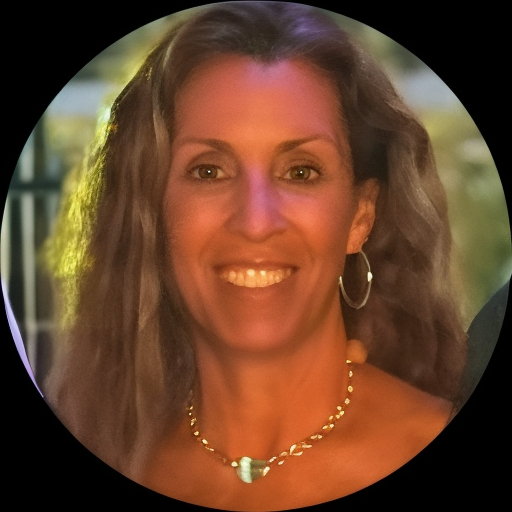
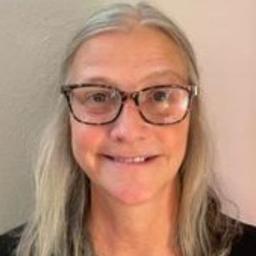
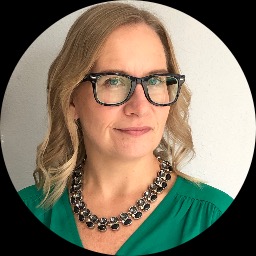
Earl Driscoll
LCSW
Compassionate support for addiction and trauma recovery
- Addictions
- LGBT
- Self esteem
Clinical social work directory
272 Licensed Clinical Social Workers in this directory hold a license issued in Pennsylvania. Sessions are online; a therapist can usually only see people in the states where they hold a license, so check the license panel on each profile.
Welcome to our Pennsylvania directory of online therapists. All therapists listed on this page are licensed clinical social workers (LCSWs) holding a state clinical license. Explore the listings to learn about each LCSW's background, focus areas, languages, and experience.
LCSW
Compassionate support for addiction and trauma recovery
LCSW
Experienced LCSW offering practical, nonjudgmental therapy
LCSW
Compassionate, practical support for real-life struggles
LCSW
Compassionate, practical therapy for life’s hard moments
LCSW
Compassionate, practical therapy for daily challenges
LCSW
Practical support for addiction and mood struggles
LCSW, LISW
Practical support for stress and life changes
LCSW
Compassionate, practical support for everyday struggles
LCSW
Practical support for stress, grief, and family strain
LCSW
Calm, practical support for stress and relationships
LCSW
Experienced LCSW offering practical, steady support
LCSW
Thirty years guiding people through life transitions
LCSW
Practical, person-focused therapy for everyday struggles
LCSW
Practical, evidence-based support for life challenges
LCSW
Practical, compassionate therapy for everyday struggles
LCSW
Empathetic therapist focused on practical change
LCSW
Compassionate, practical help for healing and change
LCSW
Experienced Pennsylvania LCSW focused on practical help
LCSW
Calm, practical support for day-to-day struggles
LCSW
Practical, experienced support for anxiety and addiction
LCSW
Compassionate, practical therapy for everyday struggles
LCSW
Understanding support that builds coping skills
LCSW
Compassionate, practical support for stress and change
LCSW
Helpful, direct therapist for sexual and intimacy concerns
LCSW
Support for stress, grief, and parenting challenges
LCSW
Compassionate LCSW helping people build steady change
LCSW
Compassionate, practical support for emotional challenges
LCSW
Practical support for stress, grief, and relationships
LCSW
Practical support for stress and relationships
MD, LCSW-C, LCSW
Practical, goal-focused therapy with skills-based support
LCSW
Compassionate practical therapy for life changes
LCSW
Practical therapy for stress and addiction
LCSW
Trauma-informed LCSW focused on practical change
LCSW
Understanding practical steps for stress and relationships
LCSW
Compassionate, practical support for life stressors
LCSW
Practical therapy with mindfulness and trauma care
LICSW, LCSW
Compassionate, practical support for everyday struggles
Some links on this page are partner links. We will earn a commission if you sign up through one, at no cost to you. It does not change what you pay or the order of the listings.
Online therapy with an LCSW has become a widespread option across Pennsylvania. Licensed clinical social workers who hold a Pennsylvania LCSW credential provide clinical services through video and phone sessions as part of regular practice. The license for an LCSW is issued and renewed by a state board, and requirements include a master's degree in social work, a period of supervised post-graduate clinical experience and a passing score on a clinical licensing examination. Scope of practice and rules about telehealth may vary by state and by the state board that issues the license, so the LCSW credential you see on a profile indicates that the practitioner met the state-set requirements to hold that clinical license.
Because social work training emphasizes a person-in-environment perspective, an LCSW working online will often attend to your life context - housing, work, family, finances, community supports and access to services - alongside your internal experience. That broader view can be useful when your situation involves practical barriers or systems-level issues that affect your mental health. On this Pennsylvania page you will find profiles of LCSWs who list online sessions among the formats they offer. Use the information in each profile to understand their focus areas, languages, years of clinical experience and stated populations served.
Online therapy can make it easier for you to connect with an LCSW without the need to travel, which matters in a state with both dense urban areas and long rural stretches. You can access care from home, from a workplace break, or from another location that is convenient for you, reducing time spent commuting and the logistical burdens of scheduling. For people managing caregiving responsibilities, irregular work shifts or mobility limitations, online sessions can widen your options for matching with an LCSW whose experience and languages align with your needs.
Another benefit is geographic reach. Pennsylvania residents may find it helpful to consult with an LCSW who lists expertise relevant to their situation even if that practitioner is based in a different part of the state. Because social work emphasizes how environment and systems affect well-being, an LCSW may be particularly attentive to community resources, service navigation and social supports when you work together online. While online sessions change how you and the clinician interact compared with an in-person visit, many people report that a thoughtful online experience still allows for meaningful clinical work and practical problem solving.
Online therapy with an LCSW is often used to address a wide range of concerns. You will see LCSWs who frequently work with depression, anxiety, relationship challenges, grief, stress related to work or parenting, life transitions, and coping with chronic health conditions. LCSWs also commonly help people navigating caregiving responsibilities, housing or employment instability, and interactions with schools, employers or social service systems. Because of their training, LCSWs tend to pay attention to how social and environmental factors influence mental health and everyday functioning, which can make online sessions a place to discuss both internal experience and practical next steps.
Some LCSWs list specialty populations or areas of focus in their profiles, such as working with adolescents, older adults, couples, or people from particular cultural backgrounds. Others may indicate approaches they use; remember that a profile listing an approach is not a guarantee of specialized certification. You can look at profiles to understand which clinicians emphasize work that aligns with your concerns and which languages they speak, so you can find an LCSW whose background matches the populations you most want to work with.
Verifying that an LCSW holds an active Pennsylvania clinical license is an important step when you are evaluating profiles. The LCSW credential is issued by a state licensing board, and the board maintains public records you can search to confirm basic licensing information. When you use a state license lookup you can usually find the practitioner’s license type, the date the license was issued, the expiration date and whether there are any recorded disciplinary actions. Those records are the official source of licensing status because the state board is the entity that grants and renews the credential.
To verify a license, search the Pennsylvania board of social work or the department that oversees professional licensing in the state and enter the clinician's name or license number if it is provided. Look for the license designation that matches Licensed Clinical Social Worker or the specific title used by Pennsylvania for clinical social work. If you see a record of disciplinary actions, the public file will typically include details. Confirming licensure helps you know that the clinician met the state's educational and supervised practice requirements and that the board recognizes the license as active at the time you check.
Begin by clarifying what you want from therapy and which practical factors matter most to you. Consider whether you prefer sessions on video or by phone, whether language or cultural background is important, and whether you want an LCSW who lists experience with specific populations or life-stage issues. Review profiles to learn about each LCSW's professional summary, stated focus areas and languages. You can prepare a short list of topics you want to address so you can describe your priorities when you first reach out, and it can help to note any logistical needs, such as time-zone considerations or technology you plan to use.
When you make initial contact with an LCSW, many people find it useful to ask about the clinician's experience working with similar concerns and how they typically structure online sessions. You can also ask practical questions about session length, fees and whether they work with insurance plans that are relevant to you. Be mindful that profiles on this page list professional credentials and focus areas; you should rely on the state licensing lookup to confirm licensure and on direct conversation to learn about clinical approach and fit.
Choosing a therapist is a subjective process and fit matters. Look for an LCSW who lists experience with the issues you want to address and whose profile communicates a working style that resonates with you. Pay attention to stated populations served, languages spoken and years of clinical practice. Because social work emphasizes person-in-environment factors, you may prefer an LCSW who explicitly mentions attention to systems like family dynamics, housing, employment, or community supports when those areas are relevant to your concerns.
Also think about communication and logistics. If clear communication is important to you, look for profiles that describe how clinicians communicate between sessions and what to expect from the therapeutic process. Decide whether you want more directive practical problem solving or a reflective, exploratory approach, and use profile descriptions to assess which clinicians seem aligned with that preference. Finally, consider practical matters like cost and whether the clinician lists languages or experience that will help you feel understood. By focusing on credentials, focus areas, approaches listed, languages and experience, you can narrow your options to LCSWs who are most likely to match the kind of work you want to do.
Working online with an LCSW can be a flexible way to receive clinical support while keeping attention on the life circumstances that shape your experience. The LCSW credential indicates graduate social work training, a period of supervised clinical practice and successful completion of a clinical licensing exam, each overseen by the state board. That credential signals a scope of practice that includes assessment, diagnosis and clinical treatment within the parameters set by the state licensing authority.
As you use this directory, focus on the elements that matter most to you: the LCSW credential and state licensure, the clinician's stated focus areas and populations, the languages they list, and their clinical experience. Verify licensure through the Pennsylvania licensing authority and reach out to clinicians to learn about their clinical approach and how they work online. With thoughtful review of profiles and a clear sense of your goals, you can identify an LCSW whose background aligns with your needs and begin the process of arranging online sessions that fit your life in Pennsylvania.