Clinical social work directory
Therapists licensed in South Carolina
45 Licensed Clinical Social Workers in this directory hold a license issued in South Carolina. Sessions are online; a therapist can usually only see people in the states where they hold a license, so check the license panel on each profile.
Welcome to the South Carolina directory of licensed clinical social workers (LCSWs) who offer online sessions. Each listing represents a licensed practitioner; profiles detail specialties, languages, and professional experience. Browse the listings to learn more about the LCSWs serving South Carolina communities via telehealth.

Johnnie Terrell
LCSW, LISW-CP
Compassionate social worker focused on practical change
- Stress, Anxiety
- Relationship
- Trauma and abuse


Charlene Carr
LCSW, LISW-CP
Experienced LCSW offering steady, practical support
- Stress, Anxiety
- Relationship
- Trauma and abuse
Shaven Smith
LISW-CP, LCSW
Support for stress and trauma recovery
- Stress, Anxiety
- Trauma and abuse
- Anger
Michael Pfisterer
LCSW
Practical, goal-focused therapy for real-life challenges
- Stress, Anxiety
- Parenting
- Depression
Rachael Mooney
LISW-CP, LCSW, CSW
Compassionate social worker for everyday struggles
- Stress, Anxiety
- Trauma and abuse
- Self esteem

Amber Herbin
LCSW, LISW-CP
Supportive LCSW offering practical emotional tools
- Stress, Anxiety
- Trauma and abuse
- Self esteem
Jenna Canterbury
LCSW, LISW-CP
Calm, practical therapy for everyday struggles
- Stress, Anxiety
- Family
- Anger

Frank Ruse
LCSW, LISW-CP
Straightforward therapy for addiction and anxiety
- Stress, Anxiety
- Addictions
- Trauma and abuse

Megan Paolino
LCSW, LISW-CP
Compassionate practical therapy for everyday struggles
- Stress, Anxiety
- Relationship
- Family
Tracy Tippett
LISW-CP, LCSW
Experienced, direct therapist focused on relationships and stress
- Stress, Anxiety
- LGBT
- Relationship

Susan Owen
LISW-CP, LCSW
Experienced social worker helping people through life changes
- Stress, Anxiety
- Grief
- Self esteem
Louis Murden
LCSW, LISW-CP
Practical guidance for anxiety and life transitions
- Stress, Anxiety
- Addictions
- Sleeping
Niesha Gowens
LCSW, LISW-CP
A down-to-earth LCSW focused on practical change
- Stress, Anxiety
- LGBT
- Trauma and abuse
Sophie Paquette
LCSW, CSW
Compassionate social work focused on healing and practical change
- Stress, Anxiety
- Trauma and abuse
- Anger

Norman Patterson
LISW-CP, LCSW, CSW
Practical support for addiction and self-worth issues
- Addictions
- Intimacy-related issues
- Anger

Cherri Castellon
LCSW, LISW-CP
Practical support from an experienced LCSW
- Stress, Anxiety
- Relationship
- Anger
Marlea Mazyck
LCSW, LISW
Compassionate support for stress and life changes
- Stress, Anxiety
- Addictions
- Grief
Keith Jones
LCSW, LICSW
Practical therapy for lasting change
- Stress, Anxiety
- Relationship
- Trauma and abuse
Kellie Cousino
LCSW, LISW-CP
Down-to-earth therapist for life changes
- Stress, Anxiety
- Addictions
- Trauma and abuse
Lisa Turner
LISW-CP, LCSW
Practical support for stress and relationships
- Stress, Anxiety
- Relationship
- Family
Chaniece Taylor
LCSW, LISW-CP
Practical support for anxiety and life change
- Stress, Anxiety
- Relationship
- Self esteem

Michael Hurd
LCSW
Practical, goal-focused therapy for life challenges
- Stress, Anxiety
- Addictions
- Relationship

Vickie Conner
LISW-CP, LCSW, CSW
Practical support for stress and life changes
- Stress, Anxiety
- Grief
- Anger
Anchetta Sutton
LISW, LCSW
Practical support for stress and life transitions
- Stress, Anxiety
- Relationship
- Family
Acquanita Pettis
LCSW, LISW-CP
Compassionate support for anxiety and identity struggles
- Stress, Anxiety
- LGBT
- Trauma and abuse
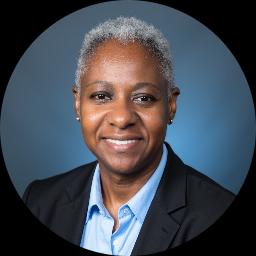
Hilary Stover
LISW-CP, LCSW
Skilled social worker helping you move forward
- Stress, Anxiety
- Addictions
- Trauma and abuse

Cadyn Burnside
LCSW, LISW-CP
Calm, practical support for life’s hard moments
- Stress, Anxiety
- LGBT
- Trauma and abuse

Jessica Dixon
LCSW, LISW
Practical, steady support for life’s hard moments
- Stress, Anxiety
- Depression
- Addictions

Marla Monk
LCSW, LISW-CP
Compassionate, practical therapy for stress and relationships
- Stress, Anxiety
- Relationship
- Trauma and abuse

Amy Gatch
LCSW, LISW-CP
Practical support for everyday challenges
- Stress, Anxiety
- Relationship
- Parenting
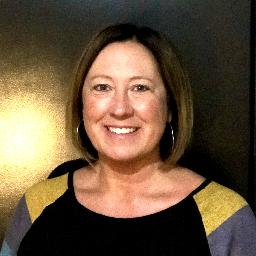
Prof. Nathan Tate
LISW-CP, LCSW
Compassionate, practical support for everyday struggles
- Stress, Anxiety
- Relationship
- Self esteem

Resa Sandora
LISW-CP, LCSW
Experienced LCSW offering steady practical support
- Stress, Anxiety
- LGBT
- Parenting
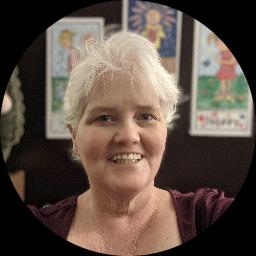
Dr. Crystal Brown-Voeltz
LCSW, LISW-CP
Direct, goal-focused clinical social worker
- Stress, Anxiety
- Self esteem
- Depression
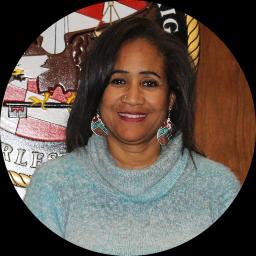
Arlean "Arley" Gordon
LCSW, CSW, LISW-CP
Support for stress and life changes
- Stress, Anxiety
- Parenting
- Self esteem

Conoshura Williams
LCSW, LISW
Compassionate, practical support for everyday challenges
- Stress, Anxiety
- Relationship
- Family
Lynne Klaus
LCSW, CSW, LISW
Compassionate, practical therapy for life’s challenges
- Stress, Anxiety
- Addictions
- Trauma and abuse
Lindsay Mays
LCSW, LISW-CP
Compassionate, practical support for daily struggles
- Stress, Anxiety
- Addictions
- Self esteem
Erin Weekes
LISW, LCSW
Compassionate, practical support for life changes
- Stress, Anxiety
- Family
- Coping with life changes
Betsy Clark
LISW-CP, LCSW, CSW
Experienced social worker focused on practical help
- Stress, Anxiety
- Relationship
- Parenting
Megan Anderson
LISW-CP, LCSW
Compassionate, practical support for emotional challenges
- Stress, Anxiety
- LGBT
- Trauma and abuse
Mark Butkus
LISW-CP, LCSW
Helping people manage stress and trauma
- Stress, Anxiety
- Trauma and abuse
- Grief

Jericha Peterson
LCSW, LISW-CP
Calm, practical support for life transitions
- Stress, Anxiety
- Family
- Grief
Some links on this page are partner links. We will earn a commission if you sign up through one, at no cost to you. It does not change what you pay or the order of the listings.
Overview of online sessions with LCSWs in South Carolina
If you are considering online sessions with a licensed clinical social worker in South Carolina, it helps to know how this option fits into the state regulatory landscape and everyday practice. LCSWs hold a master of social work degree, have completed a state-set period of supervised clinical experience, and passed a clinical licensing examination before receiving a license from the South Carolina board. That license governs the right to practice clinically within the state, and many LCSWs now offer online sessions to reach clients who live outside metropolitan centers or who prefer remote access.
Online sessions are delivered using video or phone platforms and are subject to state rules about practice across state lines and about recordkeeping. In South Carolina, as in other states, licensed practitioners must follow the law and professional standards for documentation, consent, and clinical boundaries. The LCSW credential indicates a focus on clinical practice informed by social work education and supervised experience; profiles on this site list each practitioner’s LCSW credential so you can identify clinicians with that specific license.
Because licensing and practice rules evolve, LCSWs may adapt how they provide online sessions over time. Reviewing each practitioner’s profile will give insight into the settings they list, the populations they note they work with, and the languages they speak. That contextual information can help you decide which LCSWs to consider when seeking online clinical work that aligns with your needs.
Benefits of online sessions with an LCSW for South Carolina residents
Online sessions with an LCSW can make clinical social work more accessible across South Carolina’s cities and rural areas. You can connect from home, a workplace break room, or another location that fits your schedule, reducing commute time and the logistics of travel. For people living in smaller towns or on a military base, online sessions can expand the range of practitioners you can reach without requiring a long drive.
Another advantage is the continuity of care. When life changes - a job relocation, a temporary assignment, or a family obligation - having the option to continue sessions online can help maintain momentum in clinical work. LCSWs bring a person-in-environment perspective, meaning they intentionally consider your housing, employment, family, financial pressures, and community context alongside your internal experience. That approach can be especially useful when life circumstances are central to the concerns you want to address.
Online sessions also allow you to review practitioner profiles and specialties in your own time. You can read about the populations a clinician lists, the languages they offer, and the common presenting concerns they note. While profiles do not replace an initial conversation, they can help you prioritize which LCSWs to contact when you are ready to move forward.
Common issues online LCSWs in South Carolina help with
Licensed clinical social workers address a wide range of emotional and practical concerns in online sessions. Many LCSWs list experience working with anxiety and depression, relationship or family stress, grief and loss, life transitions such as job changes or relocation, and coping after traumatic events. The social work focus on person-in-environment means a clinician will typically explore the interaction between internal struggles and external circumstances like housing, employment, caregiving responsibilities, and community resources.
For people juggling multiple responsibilities, LCSWs often integrate attention to practical needs with clinical support. That might include problem-solving around access to community resources, planning for changes in work or living situations, or coordinating with other professionals when appropriate. LCSWs may also note work with specific populations on their profiles - for example, adolescents, parents, older adults, veterans, or people navigating chronic health conditions - and they sometimes list languages spoken.
When you review profiles, pay attention to the presenting concerns an LCSW lists. Many practitioners list common issues rather than claiming exclusive expertise, and you can learn which clinicians mention the kinds of work most relevant to your situation. Profiles may also indicate whether the clinician notes particular formats for sessions, such as individual, family, or couples work via online platforms.
Verifying an LCSW license in South Carolina and getting started
How to verify an LCSW license
Before beginning online sessions, many people find it useful to confirm a clinician’s license status. In South Carolina, the Board of Social Work Examiners maintains a public registry where you can look up a license number, current status, expiration date, and any disciplinary history listed by the board. Searching the board’s site using the clinician’s name or license number will provide the official record for the LCSW credential in South Carolina. If you have questions about what appears on a license record, you can contact the board directly for clarification.
How to get started with an online LCSW
When you are ready to begin online sessions, prepare by clarifying your goals and practical needs. Consider what you hope to address in sessions, which days or times generally work best for you, whether you prefer video or phone sessions, and any language needs. Gathering this information before reaching out will make it easier to scan practitioner profiles and identify LCSWs who mention relevant experience or languages.
Technology considerations are also helpful to think through. Make sure you have a device with a camera and microphone if you choose video, and check whether your internet connection can support a stable call. Many practitioners note the platforms they use on their profiles; you may want to confirm compatibility before scheduling an initial conversation. Also consider where you will sit during sessions so you can speak and listen without distraction and with a sense of privacy.
Choosing the right LCSW for online sessions
Selecting a clinician is a personal decision. Start by looking at the elements that matter most to you - the presenting concerns an LCSW lists, the populations they note they work with, languages offered, and any life experience references that resonate. Because social work emphasizes the person-in-environment perspective, you may prefer an LCSW who explicitly mentions working with practical life stressors and community resources alongside emotional concerns.
Profiles often include short bios where clinicians describe what they focus on and the kinds of clients they commonly see. Pay attention to the language used and whether it feels like a match for your needs. If a practitioner lists specific approaches among the methods they use, remember that the listing indicates what they describe on their profile; it is different from an external verification of training or certification. You can ask about those approaches during an initial contact to hear in the clinician’s own words how they frame their work.
Finally, think about logistics that matter to you - whether you prefer evening sessions, whether a clinician lists work with certain age groups, or whether language fluency is a factor. Combining these practical considerations with attention to the clinician’s social work orientation will help you find an LCSW whose online practice aligns with your goals and context. Taking these steps will make the initial outreach and first sessions more focused and productive for both you and the clinician.