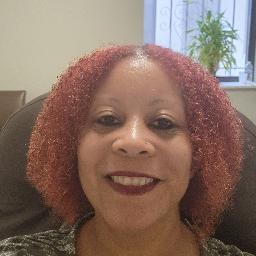
Betty Burns
LCSW
Compassionate social worker focused on real-life change
- Relationship
- Trauma and abuse
- ADHD
Clinical social work directory
134 Licensed Clinical Social Workers in this directory hold a license issued in Tennessee. Sessions are online; a therapist can usually only see people in the states where they hold a license, so check the license panel on each profile.
Welcome to the Tennessee directory for online therapy with licensed clinical social workers. All therapists listed here hold an LCSW license issued by their state board. Explore the profiles to learn about each clinician's background, focus areas, and languages.
LCSW
Compassionate social worker focused on real-life change
LCSW
Calm, practical support for daily struggles
MD, LCSW-C, LCSW
Compassionate care for anxiety and life changes
LCSW
Calm, practical support for life's hard moments
LCSW
Experienced Tennessee LCSW focused on practical help
LCSW
Practical therapy for stress and life change
LCSW
Calm, practical support for life’s hard moments
LCSW
Compassionate social worker focused on healing
LCSW
Hopeful, practical care for stress and life changes
LCSW
Compassionate practical help for life's hard moments
LCSW
Practical, collaborative therapy for stress and family strain
LCSW, LICSW
Practical, collaborative care for everyday struggles
LCSW
Compassionate, practical support for everyday struggles
LCSW
Compassionate social worker for anxiety and life transitions
LCSW
Compassionate LCSW focusing on practical change
LCSW
Practical, experienced support for life’s tough moments
LCSW
Practical support for stress and life changes
LCSW, LICSW
Helping people take practical steps through life change
LCSW
Compassionate, practical support for everyday challenges
LCSW
Practical support for stress and life changes
LCSW
Practical support for relationships and life changes
LCSW
Understanding guidance for life’s hard moments
LCSW
Practical support for stress, trauma, and life changes
LCSW
Therapist focused on relationship and trauma recovery
LCSW
Practical, strengths-based support for life changes
LCSW
Compassionate Tennessee social worker for everyday struggles
LCSW
Calm, practical psychotherapy for everyday struggles
LCSW
Calm, practical support for stress and mood
LCSW
Compassionate, practical support for change
LCSW
Compassionate, practical care for life’s hard moments
LCSW
Compassionate, practical therapy focused on you
LCSW
Practical support for anxiety, relationships, and life change
LCSW
Practical, present-focused support for life challenges
LCSW
Calm, practical therapy for life’s hard moments
Some links on this page are partner links. We will earn a commission if you sign up through one, at no cost to you. It does not change what you pay or the order of the listings.
If you are considering online therapy with an LCSW in Tennessee, you are looking for clinicians who hold a Licensed Clinical Social Worker credential and practice clinical social work within the state's regulatory framework. An LCSW has completed a master's degree in social work, met a state-specified period of supervised post-graduate clinical experience, and passed a clinical licensing exam. In Tennessee the license is issued and renewed by the state board that oversees social work practice, and scope of practice is governed by state law and board rules. This directory focuses specifically on therapists who hold an LCSW, which is a credential that signals clinical training in assessment, diagnosis, and treatment planning along with a broad view of a person's surroundings.
Social work training emphasizes a person-in-environment perspective. That means an LCSW is likely to consider your housing, work, family, finances, community, and access to services alongside your internal experience when shaping care. Many people choose to work with an LCSW because of that broader viewpoint and the profession's attention to systems, resources, and strengths, particularly when life stressors are connected to social or environmental factors.
Online therapy with an LCSW typically uses video, audio, or messaging to create a therapeutic conversation when meeting in person is not possible or convenient. Licensed clinicians follow state laws about where they may practice, which means an LCSW licensed in Tennessee provides clinical services in accordance with Tennessee rules. While the format is digital, the professional requirements for information-sharing boundaries, documentation, and ethics that govern clinical social work still apply under state regulations. When reviewing listings, you will see information that helps you understand each therapist's education, experience, and stated focus areas.
Online therapy can expand access to licensed clinical social work in ways that matter across Tennessee's diverse geography. If you live in a rural county, have a demanding work schedule, or face mobility constraints, meeting online can reduce travel time and make it easier to fit care into your life. An LCSW who practices online can bring the same person-in-environment lens to sessions, helping you address issues that connect internal experience with external circumstances, such as housing stress, caregiver responsibilities, workplace conflict, or access to community resources.
Another benefit is continuity when life changes make in-person visits difficult. Online sessions can be scheduled at different times of day and may offer more flexibility around interruptions like school pick-up times or irregular work shifts. Because LCSWs are trained to consider systems and resources, an online LCSW can also help you identify local supports or community programs in Tennessee as part of a plan that blends digital and in-person resources when appropriate. Remember that the therapeutic relationship and the clinician's skill matter most, so focus on the LCSW's background and experience when evaluating options.
Licensed Clinical Social Workers in Tennessee address a wide range of concerns that may be experienced by individuals, couples, families, and groups. You can expect LCSWs to work with people coping with anxiety, depression, grief, relationship strain, life transitions, and stress related to work or school. They also commonly support those managing caregiver burden, parenting challenges, or the emotional impact of chronic health conditions. Because of the profession's attention to environment, many LCSWs work with clients facing housing instability, employment difficulties, or barriers to accessing services and benefits.
Some LCSWs list particular populations or focus areas such as working with adolescents, veterans, older adults, LGBTQ+ individuals, or families. Other clinicians may highlight experience addressing substance use concerns, trauma-related symptoms, or school-related difficulties. Listings in the directory typically show a clinician's focus areas and languages spoken, which can help you identify someone whose experience aligns with your needs. When a therapist mentions approaches by name, bear in mind that the listing records what the clinician indicates about their practice rather than verifying specific certifications in those approaches.
Verifying that a clinician holds an LCSW in Tennessee is an important step in your search. You can confirm licensure through the state board that regulates social workers. A license record will indicate that the clinician holds the LCSW credential, the issuing state, and whether the license is current. When checking a record, note the clinician's full name and license number if available, and ensure the record matches the person you are researching. Licensure records may also show disciplinary actions or restrictions, which some people find useful to consider.
Keep in mind that licensing rules differ across states, so the scope of practice and the exact title can vary. This directory lists therapists who specifically hold an LCSW. That credential denotes the completion of graduate social work education and supervised clinical experience, but does not speak to any particular therapeutic approach. If you have questions about a clinician's education or professional background beyond what appears in a public record, the licensure check is a reliable starting point for verification.
Beginning online therapy with an LCSW typically starts with reviewing profiles to identify clinicians whose experience, focus areas, and language skills match what you are seeking. Look for descriptions that mention work with the population or issues most relevant to you and read any biographical notes that describe the clinician's perspective or areas of emphasis. Some profiles include information about years of clinical practice, settings where the clinician has worked, and community resources they commonly engage with.
When you contact a clinician or their practice, consider preparing a few questions that matter to you. You might ask how they approach work with the issues you face, what a typical session looks like, and how they integrate attention to social and environmental factors into care. It is also reasonable to ask about logistical details such as billing practices, session length, and the technologies they use for online meetings. If language or cultural competence is important to you, ask about the clinician's experience working with communities and identities like your own.
Choosing a therapist is a personal decision that often comes down to how comfortable you feel with the clinician and whether their focus aligns with your needs. Some people prioritize a clinician who emphasizes practical problem-solving and resource connections, while others look for clinicians who center emotional processing and relational patterns. Because LCSWs bring a person-in-environment perspective, you can expect an orientation toward both internal experience and external circumstances. If after an initial conversation you do not feel a good fit, it is reasonable to continue searching until you find someone whose style and focus match your expectations.
Finally, remember that documentation such as license verification, clear descriptions of focus areas, and stated languages can help you assess whether an LCSW in Tennessee fits your needs. Use the directory to learn about clinicians' professional backgrounds and to narrow your search based on the factors that matter most to you, such as experience with particular populations, comfort with online formats, and the ability to address life circumstances alongside emotional concerns.