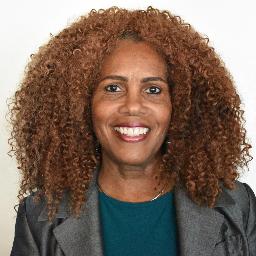
Maria Wilson
LCSW
Compassionate, practical therapy for stressed parents and adults
- Stress, Anxiety
- Relationship
- Family
Clinical social work directory
2,816 therapists list Mindfulness Therapy among the ways they work. Naming an approach is not evidence of training in it, so ask directly how they use it.
Mindfulness Therapy helps you build present-moment awareness and deliberate attention to your thoughts, feelings, and bodily sensations. Below you can browse licensed clinical social workers who list Mindfulness Therapy among their approaches to find clinicians whose focus and experience fit your needs.
LCSW
Compassionate, practical therapy for stressed parents and adults
LICSW, LCSW
Calm, steady support for life’s hard changes
LCSW
Practical, values-driven therapy for life challenges
LCSW
Compassionate support for addiction and trauma recovery
LCSW
Compassionate social worker focused on practical change
LCSW
Compassionate guidance for relationship and self issues
LCSW
Person-centered care with practical tools
LCSW
Helping people navigate stress and relationship pain
LCSW
Compassionate therapist helping people build stronger coping skills
LCSW
Restorative, practical therapy for everyday challenges
LCSW
Practical, strengths-based help for life changes
LCSW
Practical, values-focused therapy for life problems
LCSW
Compassionate LCSW for practical coping skills
LCSW
Practical, respectful therapy focused on real life
Experienced social worker and clinician
LCSW
Practical support for stress and relationships
LCSW
Experienced LCSW providing steady support
LICSW, LCSW, CSW
Practical, compassionate support for life transitions
LCSW
Practical, steady care from an experienced LCSW
LCSW
Compassionate, practical support for stressful times
LCSW
Practical support for stress and relationships
LCSW, LISW
Practical, strengths-focused therapy for everyday challenges
LCSW
Experienced LCSW offering steady, practical support
LCSW, LISW-CP
Compassionate social worker focused on practical change
LSCSW, LCSW
Practical, respectful therapy for life changes
LCSW
Practical, steady support for stress and relationships
LCSW, CSW
Experienced LCSW focused on practical change
LCSW, LMSW
Supportive clinical social worker focused on practical change
LCSW
Attachment-informed practical therapy for parents and adults
LCSW
Calm, practical support for everyday stress
LCSW
Practical, compassionate therapy for life transitions
LCSW
Experienced LCSW guiding practical change
LCSW
Practical, skills-focused therapy for life challenges
LCSW
Calm practical support for everyday challenges
LCSW
Compassionate, practical therapy focused on everyday life
LCSW, LISW-CP
Compassionate LCSW focused on practical change
Some links on this page are partner links. We will earn a commission if you sign up through one, at no cost to you. It does not change what you pay or the order of the listings.
Mindfulness Therapy draws on practices that cultivate attentive, nonjudgmental awareness of the present moment. At its core, it encourages you to notice what is happening in your mind and body without trying to change it immediately. That attention can create space between automatic reactions and intentional responses, helping you see habitual patterns more clearly. The approach integrates reflective awareness with practical strategies for living - for example, bringing mindful attention to daily activities, to feelings as they arise, and to the physical sensations that accompany stress. Many clinicians who list Mindfulness Therapy among their approaches emphasize curiosity and acceptance as guiding attitudes rather than pressure to feel a certain way. These principles support emotion regulation, clearer decision making, and a different relationship to painful thoughts and memories. When you practice mindfulness within therapy, the goal is often to increase psychological flexibility - the ability to respond to situations in ways that reflect your values and long-term goals rather than short-term avoidance or reactivity.
People seek therapists who use mindfulness for a range of concerns that include persistent anxiety, recurring depressive patterns, chronic stress, and difficulty managing intense emotions. Mindful approaches are also commonly applied when you are coping with illness, chronic pain, or major life transitions that produce ongoing tension. Some clinicians incorporate mindfulness when helping clients address sleep problems, workplace stress, or relationship difficulties that stem from reactivity rather than deliberate communication. Because mindfulness fosters awareness of thought patterns and bodily signals, it can be useful when you want to reduce rumination or break cycles of avoidance. Clinicians who list mindfulness among their methods may also use it alongside other strategies that target behavior change, communication skills, or problem solving. Keep in mind that the specific ways mindfulness is integrated vary by clinician; some focus on formal meditation exercises while others bring short, practical awareness practices into conversation and day-to-day routines.
A typical session with a clinician who uses mindfulness often balances dialogue with guided awareness practice. You might begin by describing what brought you to the session and any events from the week that felt important. The clinician may invite you to notice your body and breath for a few minutes, offering gentle prompts to observe sensations without judgment. That practice frequently becomes a springboard for exploring how thoughts and feelings showed up between sessions and how you responded. Rather than focusing solely on insight, many sessions include practical experimentation - trying a brief mindful exercise together, then discussing how it felt and how it might be adapted to your daily life. Your clinician may suggest simple home practices that fit your routine, such as short attention exercises during ordinary tasks or brief reflective pauses before reacting in stressful moments. Over time, sessions often shift from guided practice to applying mindful awareness to specific challenges you bring, cultivating habits of noticing and responding with intention rather than reactivity.
Mindfulness-based work is distinct from other therapeutic styles in its emphasis on present-moment awareness and attitude toward inner experience. While cognitive approaches often focus on identifying and restructuring distorted thoughts, mindfulness emphasizes noticing thoughts as mental events rather than facts to be fought or disproved. Behavioral approaches concentrate on changing actions through reinforcement and exposure; mindful methods often incorporate behavioral changes but foreground how awareness and acceptance can make those changes more sustainable. Psychodynamic work explores unconscious material and past relationships; mindfulness does not require deep historical analysis, instead cultivating a different relationship to current experience that can indirectly shift longstanding patterns. Many clinicians blend mindfulness with other techniques, meaning that a session may include both reflective awareness and practical skill building. When you are considering different approaches, the key difference to recognize is that mindfulness trains a way of relating to your present experience - noticing, relaxing the urge to control, and choosing responses aligned with your values.
Mindfulness approaches can be helpful for many people who want to change automatic reactivity, manage stress, or increase awareness of bodily and emotional states. You might be a good candidate if you are willing to practice noticing moment-to-moment experience, if you want tools for tolerating discomfort without avoidance, or if you prefer learning skills that integrate into daily life. That said, mindfulness is not a one-size-fits-all solution. If you have a history of trauma or dissociation, for example, some mindfulness practices can feel overwhelming; in those cases you may prefer clinicians who explicitly describe a cautious, trauma-informed approach to present-moment work. Because this site lists licensed clinical social workers, you can look for LCSWs who explain how they use mindfulness alongside assessments of context, including housing, family, work, and community factors. Licensed clinical social workers hold a master’s degree in social work, complete state-required supervised clinical experience after graduate study, and pass a state clinical licensing exam. Their training emphasizes a person-in-environment perspective, which means an LCSW will typically consider your living situation, support systems, socioeconomic context, and access to care as part of therapy rather than viewing your experience in isolation.
When you search for a therapist who lists Mindfulness Therapy among their approaches, review clinician profiles for descriptions of how they integrate mindfulness into sessions, the populations they work with, languages spoken, and years of clinical experience. Look for language that describes the kinds of mindfulness practices used and whether the clinician emphasizes short, practical exercises or longer formal practices. It is also useful to note whether an LCSW highlights trauma-informed care, working with specific diagnoses, or support for life transitions, because those focus areas affect how mindfulness is taught and applied. Reading how a clinician frames their work will help you imagine what sessions might feel like and whether their approach aligns with your preferences and needs. If a profile mentions working with families, couples, or particular age groups, that information can guide you toward clinicians whose everyday experience matches your situation. Your decision can rest on factors such as therapeutic focus, communication style, and the ways mindfulness is woven into treatment, all of which are often described in profile text rather than training certificates.