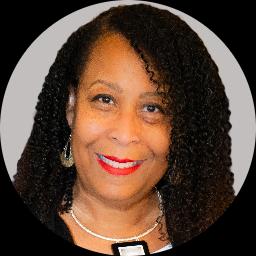
Maria Wilson
LCSW
Compassionate, practical therapy for stressed parents and adults
- Stress, Anxiety
- Relationship
- Family
Clinical social work directory
3,568 therapists list Solution-Focused Therapy among the ways they work. Naming an approach is not evidence of training in it, so ask directly how they use it.
Solution-Focused Therapy is a practical, future-focused approach that concentrates on strengths, goals, and concrete steps forward rather than extensive problem analysis. Below you can browse licensed clinical social workers who list Solution-Focused Therapy among their approaches.
LCSW
Compassionate, practical therapy for stressed parents and adults
LICSW, LCSW
Calm, steady support for life’s hard changes
LCSW
Practical, values-driven therapy for life challenges
LCSW
Compassionate support for addiction and trauma recovery
LCSW
Compassionate social worker focused on practical change
LCSW
Experienced LCSW supporting life changes
LCSW
Person-centered care with practical tools
LCSW
Helping people navigate stress and relationship pain
LCSW
Compassionate therapist helping people build stronger coping skills
LCSW
Restorative, practical therapy for everyday challenges
LCSW
Practical, strengths-based help for life changes
LCSW
Compassionate, practical therapy for addiction and mood issues
LCSW
Forward-focused therapist for practical change
LCSW
Practical, values-focused therapy for life problems
LCSW
Compassionate, practical support for personal growth
LCSW
Compassionate LCSW for practical coping skills
LCSW
Practical support for stress and relationship strain
LCSW
Practical, respectful therapy focused on real life
Experienced social worker and clinician
LCSW
Practical support for stress and relationships
LCSW
Practical, respectful therapy for everyday struggles
LCSW
Experienced LCSW providing steady support
LICSW, LCSW, CSW
Practical, compassionate support for life transitions
LCSW
Practical, client-focused support for life changes
LCSW
Experienced LCSW offering practical, nonjudgmental therapy
LCSW
Practical, relationship-focused mental health support
LCSW
Practical, steady care from an experienced LCSW
LCSW
Compassionate, practical support for life challenges
LCSW
Compassionate, practical support for stressful times
LCSW
Practical support for stress and relationships
LCSW
Helping you make steady, practical change
LCSW, LISW
Practical, strengths-focused therapy for everyday challenges
LCSW
Hopeful, practical therapy for real-life struggles
LCSW
Experienced LCSW offering steady, practical support
LSCSW, LCSW
Practical, respectful therapy for life changes
LCSW
Practical, steady support for stress and relationships
LCSW, CSW
Experienced LCSW focused on practical change
Some links on this page are partner links. We will earn a commission if you sign up through one, at no cost to you. It does not change what you pay or the order of the listings.
Solution-Focused Therapy is an approach that emphasizes small, achievable changes and the strengths you already bring to a situation. Rather than spending most sessions examining the origins of difficulties, the approach orients conversations toward exceptions - times when the problem is less intense or absent - and toward the goals you want to reach. The therapist's role is to help you notice what is working, imagine a preferred future, and identify practical steps that move you in that direction. Questions are often structured to highlight progress, resources, and immediate possibilities.
Because the approach concentrates on solutions rather than exhaustive problem exploration, sessions are typically collaborative and time-efficient. You and the Licensed Clinical Social Worker will explore realistic, measurable changes and test them between sessions. This practical focus can be especially useful when you want focused support that fits into a busy life or when you are looking to build on existing skills. An LCSW brings to these conversations a social work perspective that looks beyond internal experience to the broader circumstances that shape your life - housing, work, family, finances, and community - so the plan you co-create is grounded in real-world context.
Solution-Focused Therapy is often applied to a wide range of concerns where goal-setting, skill-building, and short-term progress are priorities. People seek this approach for relationship difficulties, stress management, transitions such as career change or parenting adjustments, and to address specific behaviors they want to change. It is also used to support people facing situational challenges like job loss, caregiving strain, or adjustment to a new life phase, where identifying practical steps and leveraging existing strengths can make an immediate difference.
Because the method concentrates on present resources and concrete actions, it can be a helpful fit when you want targeted work that produces measurable results. If your concern involves complex trauma, long-standing psychiatric conditions, or situations that require multi-disciplinary intervention, Solution-Focused work can be part of a broader plan. Licensed Clinical Social Workers are trained to evaluate the larger context around a difficulty, and when appropriate they can help you coordinate resources in the community or refer to additional services that address legal, medical, or social needs alongside therapy.
In an initial session with an LCSW who lists Solution-Focused Therapy among their approaches, you can expect a focus on what you want to be different rather than a detailed history of the problem. The therapist will ask questions designed to elicit a clear, concrete description of a preferred future. This often includes scaling questions - for example, asking you to rate progress on a 0 to 10 scale - and questions about exceptions when the issue was less problematic. Together you will identify small, actionable steps that move you toward your goals.
Subsequent sessions tend to review what changed since the last meeting and which interventions produced movement. The conversation is collaborative: the LCSW helps you notice incremental successes and refine strategies that work. If a particular action did not produce the expected change, the focus is on what was learned and what to try next rather than attributing blame. Sessions are often solution-focused and time-limited, but the pace and length of work will be tailored to your needs and life circumstances by the LCSW.
Solution-Focused Therapy contrasts with approaches that center extensively on the causes and development of problems. Where psychodynamic or insight-focused therapies may spend considerable time exploring past experiences and unconscious patterns, the solution-focused method directs energy toward present resources and future possibilities. Cognitive-behavioral approaches also emphasize skill-building and practical strategies, but Solution-Focused Therapy is more oriented toward constructing a preferred future using tiny changes and exceptions rather than systematically restructuring thoughts and behaviors across sessions.
An LCSW who uses Solution-Focused techniques will often integrate the social work perspective, which situates personal struggles within broader environmental and social factors. That means sessions can include attention to practical barriers - such as housing instability, work demands, or limited access to community resources - that influence what steps are realistic. This integration helps ensure that goals are not developed in isolation from the conditions that shape your life.
You may find Solution-Focused Therapy appealing if you are looking for pragmatic, goal-directed work that emphasizes strengths and immediate problem-solving. It is a good fit when you have one or more clear goals, want measurable change within a shorter time frame, and prefer a collaborative, action-oriented process. If motivation to try small experiments between sessions is present, the method can produce noticeable momentum quickly.
Conversely, if you are seeking deep exploration of childhood trauma or long-term personality changes without accompanying practical goals, you may want to discuss with an LCSW how Solution-Focused work might fit with other approaches. Licensed Clinical Social Workers are well positioned to help you decide whether a focus on short-term, goal-based work is suitable or whether a different balance of insight and skills training would better meet your needs, taking into account the environmental realities that affect your progress.
When you look for an LCSW who lists Solution-Focused Therapy among their approaches, consider factors that help ensure a good match for your priorities. Read profiles to learn about the therapist's focus areas, years of experience, and the populations they work with. Note the languages they speak and their stated experience with issues similar to yours. Because LCSWs bring a person-in-environment perspective, look for descriptions that reflect attention to the practical aspects of life that matter to you, such as workplace stress, family dynamics, or access to community resources.
Licensure details matter. An LCSW holds a master’s degree in social work, has completed a state-set period of supervised post-graduate clinical experience, and has passed a clinical licensing examination. Licenses are issued and renewed by state boards, and scope of practice and titles can vary by state. If state-specific practice differences are important to you, check the therapist's listed location and professional credentials. Finally, use introductory conversations to get a sense of how the therapist frames goals, how they measure progress, and whether the practical steps they propose feel achievable in your daily life. That conversation can help you determine whether a Solution-Focused approach with an LCSW aligns with what you want to accomplish.