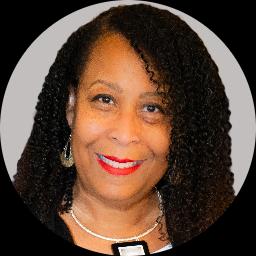
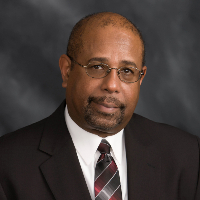
Maria Wilson
LCSW
Compassionate, practical therapy for stressed parents and adults
- Stress, Anxiety
- Relationship
- Family
Clinical social work directory
2,310 therapists list Trauma-Focused Therapy among the ways they work. Naming an approach is not evidence of training in it, so ask directly how they use it.
Trauma-Focused Therapy is an approach designed to help people process and recover from distressing events and their ongoing effects on daily life. Below you can browse licensed clinical social workers who list Trauma-Focused Therapy among their approaches. Use the profiles to compare focus areas, approaches, credentials, languages, and experience.
LCSW
Compassionate, practical therapy for stressed parents and adults
LICSW, LCSW
Calm, steady support for life’s hard changes
LCSW
Compassionate social worker focused on practical change
LCSW
Experienced LCSW supporting life changes
LCSW
Person-centered care with practical tools
LCSW
Compassionate therapist helping people build stronger coping skills
LCSW
Restorative, practical therapy for everyday challenges
LCSW
Practical, strengths-based help for life changes
LCSW
Compassionate, practical therapy for addiction and mood issues
LCSW
Practical, values-focused therapy for life problems
LCSW
Compassionate, practical support for personal growth
LCSW
Compassionate LCSW for practical coping skills
LCSW
Compassionate social worker focused on real-life change
LCSW
Practical, respectful therapy focused on real life
Experienced social worker and clinician
LCSW
Compassionate, practical therapy for everyday struggles
LCSW
Experienced LCSW providing steady support
LICSW, LCSW, CSW
Practical, compassionate support for life transitions
LCSW
Practical, relationship-focused mental health support
LCSW
Practical, steady care from an experienced LCSW
LCSW
Compassionate, practical support for life challenges
LCSW
Compassionate, practical support for stressful times
LCSW
Hopeful, practical therapy for real-life struggles
LCSW, LISW-CP
Compassionate social worker focused on practical change
LSCSW, LCSW
Practical, respectful therapy for life changes
LCSW, LMSW
Supportive clinical social worker focused on practical change
LCSW
Attachment-informed practical therapy for parents and adults
LCSW
Practical, compassionate therapy for life transitions
LCSW
Experienced LCSW guiding practical change
LCSW
Practical, skills-focused therapy for life challenges
LCSW
Compassionate, practical therapy focused on everyday life
LICSW, LCSW
Compassionate social worker who supports change
LCSW
Careful, practical support for relationships and identity
LCSW
Therapist focused on practical coping skills
LCSW
Calm, experienced therapist focused on practical change
LCSW
Practical, collaborative therapy for real life struggles
LCSW
Compassionate, practical therapy for everyday struggles
Some links on this page are partner links. We will earn a commission if you sign up through one, at no cost to you. It does not change what you pay or the order of the listings.
Trauma-Focused Therapy centers on understanding how overwhelming events affect memory, emotions, behavior, and relationships. Rather than treating symptoms in isolation, the approach looks at the experience of trauma and how it has shaped your day-to-day functioning. Practitioners guide you through a process that often begins with establishing a sense of safety and stabilization, building coping skills, and then moving into processing painful memories or changing patterns that maintain distress.
The work typically emphasizes collaboration and pacing that matches your needs. Therapists who use trauma-focused methods pay attention to triggers, the ways your body stores stress, and how meaning around the traumatic event has developed. These clinicians often integrate strategies that help you manage intense feelings, improve emotion regulation, and rebuild a sense of agency. Because trauma can touch many areas of life, clinicians who hold an LCSW bring a person-in-environment perspective, looking at housing, work, family, finances, and community connections alongside internal experience.
The core goals are to reduce the intensity of trauma symptoms, enhance coping and resilience, and help you reclaim everyday functioning. This may involve learning skills to manage anxiety, changing beliefs that contribute to shame or guilt, and developing plans to increase stability in practical areas of life. The pace and techniques used vary depending on your history, current stressors, and what feels tolerable and useful to you.
Trauma-Focused Therapy is often utilized when a history of traumatic events is contributing to ongoing distress. People turn to this approach for difficulties such as post-traumatic stress reactions, nightmares, intrusive memories, heightened startle responses, avoidance of reminders, and persistent anger or irritability. It can also be applied to complex trauma - repeated or prolonged exposure to traumatic experiences - where effects on identity, relationships, and sense of safety are widespread.
The approach is commonly used after experiences like childhood abuse, sexual assault, serious accidents, natural disasters, medical trauma, combat exposure, or sudden loss. It can also be relevant for caregivers and professionals who face secondary or vicarious trauma. Because trauma can worsen depression, substance use, relationship strain, and occupational problems, clinicians who hold an LCSW often address these connected issues concurrently, taking account of your living situation, supports, and access to resources as part of care planning.
A typical session begins with checking in on immediate safety and current symptoms. Many sessions include a brief review of coping skills you may be practicing between visits, followed by focused work on the agreed therapeutic task for that day. Early work often prioritizes skill-building - grounding, breathing, distress tolerance, and emotion regulation - to make processing less overwhelming. As you and the clinician agree the time is right, sessions may shift toward exploring trauma memories, understanding their impact, and reshaping unhelpful beliefs tied to the event.
Sessions usually last between 45 and 60 minutes and occur with a frequency decided collaboratively based on need and logistics. Your LCSW will aim to maintain clear structure while responding flexibly to what you bring into the room. You may spend part of a session practicing techniques, part of it discussing what came up in between sessions, and part of it doing focused processing work. Because trauma often affects practical areas of life, an LCSW may also help you connect with housing, employment, or community supports, or coordinate with other services when that is helpful for your recovery.
In the first few sessions you can expect assessment of symptoms and history, discussion of goals, and a plan for pacing the work. You and the clinician will discuss what feels manageable and how to handle strong emotions if they arise. Consent, safety planning, and a shared understanding of the steps ahead are central before moving into deeper memory-focused work.
Trauma-Focused Therapy differs from more general supportive counseling by its explicit attention to the role of traumatic experience in current problems and by strategies that target trauma memory, meaning, and physiological arousal. Where general therapy might focus on present-day coping or relationship skills, trauma-focused work often includes techniques aimed at integrating traumatic memories into a broader life narrative and reducing the power of intrusive recollections.
Compared with approaches that emphasize insight and long-term personality change, trauma-focused work can be more structured and goal-directed, although it still attends to long-term processes when needed. There are different trauma-focused methods that emphasize different mechanisms - some focus on exposure or narrative processing, others on changing thought patterns that maintain distress, and some combine skill-building with memory-focused work. On therapist profiles you will often see clinicians who hold an LCSW listing a range of approaches among their tools. That listing indicates interest or use of those methods, not a specific credential.
An important difference when you choose an LCSW is the consistent person-in-environment lens. That means interventions are often integrated with attention to social determinants of health - housing stability, financial strain, family dynamics, and community resources. If practical barriers or environmental stressors are maintaining distress, an LCSW is likely to address those directly alongside trauma-focused interventions, helping you build supports or connect with services that bolster the therapeutic work.
You may be a good candidate for trauma-focused work if traumatic memories, intrusive thoughts, avoidance, sleep disruption, or emotional numbing interfere with your life. It can also be useful when trauma contributes to relationship problems, difficulties at work, or problems with substance use. That said, trauma-focused methods are not a one-size-fits-all solution and are best matched to your readiness and current supports. Some people benefit from more stabilization and skills-building first, while others are prepared to engage in processing sooner. Discussing this with an LCSW can help you determine the right pace.
When looking for an LCSW who uses Trauma-Focused Therapy, focus on profiles that describe experience with trauma and the particular populations or issues you relate to. Look at the approaches a clinician lists, the populations they mention, languages they speak, and any notes about work with specific types of trauma or demographics. Remember that every state issues the LCSW license, and requirements typically include a master's degree in social work, a period of supervised post-graduate clinical experience commonly around two to three years and several thousand hours, and passage of a clinical licensing examination. Scope of practice and title can vary by state, so you may want to confirm the license details shown in a profile if state-specific matters are important to you.
You may find it helpful to ask a prospective LCSW about how they pace trauma-focused work, how they manage intense reactions in session, and how they incorporate social and practical supports into treatment. Ask about populations they have worked with and any experience they have with cultural or community factors relevant to you. Reviewing therapist profiles to compare focus areas, approaches, credentials, languages, and experience can help you identify clinicians whose stated perspectives align with your needs and preferences.
Finding a good match can take time, and it is okay to look through several profiles. Trust your sense of fit when reading descriptions and consider whether the clinician's stated approach and emphasis on social context reflect what you want from therapy. An LCSW who integrates trauma-focused methods with attention to your environment can offer a comprehensive approach that addresses both symptoms and the real-world factors that influence recovery.