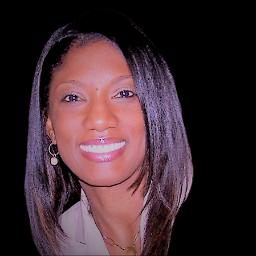
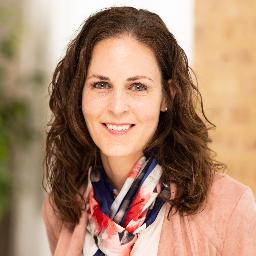
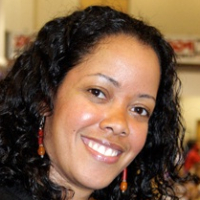
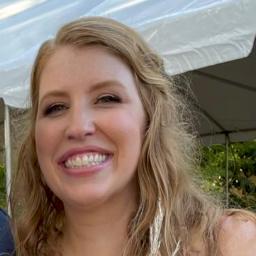
Emily Dove
MD, LCSW-C, LCSW
Compassionate, practical help for everyday struggles
- Stress, Anxiety
- Relationship
- Family
Clinical social work directory
58 therapists in this directory list Licensed Certified Social Worker - Clinical (LCSW-C). Registration details are shown as each therapist lists them; the body's own public register is the place to check a number.
A Licensed Certified Social Worker - Clinical (LCSW-C) is a clinical social work license granted by a state board after graduate education, supervised post-graduate clinical hours, and a licensing exam. Browse verified LCSW-C therapist profiles below to review their credentials, specialties, and professional backgrounds.
MD, LCSW-C, LCSW
Compassionate, practical help for everyday struggles
MD, LCSW-C, LCSW
Compassionate therapist guiding practical change
LCSW-C, LCSW
Compassionate, practical support for life’s hard moments
MD, LCSW-C, LCSW
Compassionate care for anxiety and life changes
MD, LCSW-C, LCSW
Seasoned clinical social worker for life transitions
MD, LCSW-C, LCSW
Practical, goal-focused help for persistent stress
MD, LCSW-C, LCSW
Compassionate trauma-informed LCSW
MD, LCSW-C, LCSW
Experienced clinician for mood and relationships
MD, LCSW-C, LCSW
Compassionate, practical therapy for adult challenges
MD, LCSW-C, LCSW
Compassionate, practical support for hard moments
MD, LCSW-C, LCSW
Practical, experienced support for life transitions
MD, LCSW-C, LCSW
Practical, goal-focused therapy with skills-based support
LCSW, MD, LCSW-C
Experienced therapist blending mindfulness and skills-based care
LCSW, MD, LCSW-C
Compassionate social worker supporting trauma and parenting concerns
LCSW, MD, LCSW-C
Compassionate, practical support for life stressors
MD, LCSW-C, LCSW
Compassionate, practical support for life’s challenges
LCSW, MD, LCSW-C
Emphasis on practical steps and steady support
LCSW, MD, LCSW-C
Supportive licensed clinical social worker
LCSW, MD, LCSW-C
Compassionate, practical therapy for everyday challenges
LCSW, MD, LCSW-C
Compassionate practical help for anxiety and relationships
LCSW, MD, LCSW-C
Practical therapy for stress and mood challenges
MD, LCSW-C, LCSW
Support for stress, mood, and life transitions
MD, LCSW-C, LCSW
Experienced Maryland clinician focused on practical progress
LCSW, MD, LCSW-C
Compassionate, practical therapy for life changes
MD, LCSW-C, LCSW
Practical guidance for anxiety and addiction recovery
LCSW, MD, LCSW-C
Practical, collaborative therapy for lasting change
MD, LCSW-C, LCSW
Compassionate, practical support for everyday struggles
MD, LCSW-C, LCSW
Practical therapy for stress and trauma
MD, LCSW-C, LCSW
Practical, evidence-based support for life changes
MD, LCSW-C, LCSW
Calm, practical support for life’s big stresses
MD, LCSW-C, LCSW
Practical support for focus and confidence
MD, LCSW-C, LCSW
Calm, practical care with cultural awareness
MD, LCSW-C, LCSW
Practical support for stress and mood concerns
MD, LCSW-C, LCSW
Compassionate, practical therapy for life’s hard moments
LCSW, CSW, MD, LCSW-C
Compassionate, practical care for family and relationship stress
MD, LCSW-C, LCSW
Compassionate, practical support for life’s challenges
MD, LCSW-C, LCSW
Practical therapy for anxiety and identity
MD, LCSW-C, LCSW
Direct, practical support for adult life challenges
LCSW, MD, LCSW-C
Practical support for anxiety and trauma recovery
LCSW, LCSW-C
Supportive social worker for everyday challenges
LCSW, MD, LCSW-C
Hopeful guidance for stress and relational healing
MD, LCSW-C, LCSW, CSW
Practical therapy focused on coping and change
MD, LCSW-C, LCSW
Calm, practical support for everyday struggles
MD, LCSW-C, LCSW
Therapist focused on practical life skills
MD, LCSW-C, LCSW
Calm, practical support for everyday struggles
MD, LCSW-C, LCSW
Compassionate trauma-informed social worker
MD, LCSW-C, LCSW
Compassionate, practical support for life's challenges
MD, LCSW-C, LCSW
Compassionate support for stress and relationships
Some links on this page are partner links. We will earn a commission if you sign up through one, at no cost to you. It does not change what you pay or the order of the listings.
The LCSW-C designation signals that a clinician has completed graduate-level social work education, fulfilled a state-set period of supervised clinical practice, and passed a clinical licensing examination. While exact requirements vary by state, the typical pathway includes earning a Master of Social Work, completing two to three years of supervised post-graduate clinical experience totaling several thousand hours, and successfully passing a licensing exam administered or recognized by the state licensing board. The license is issued and renewed by an individual state board, so titles, renewal intervals, and continuing education expectations may differ depending on where a clinician practices.
When you see LCSW-C after a therapist's name, it indicates that the clinician meets that state's standard for independent clinical practice. That does not describe any single method of practice. Rather, it tells you about the clinician's level of professional preparation and the regulatory steps they completed to hold that title. Because the credential is regulated by states, the exact privileges that come with it - such as the ability to diagnose, provide psychotherapy, or bill certain insurers - are governed by state rules and by the policies of payers and organizations where the clinician practices.
Your LCSW-C clinician began with graduate education in social work, typically a Master of Social Work program. Those programs combine classroom instruction in clinical assessment, human development, social policy, ethics, and research with field placements. Field placements introduce students to real-world settings such as community mental health centers, hospitals, schools, or child welfare agencies, and they provide supervised experience working with individuals, families, or groups.
After graduation, aspiring LCSW-Cs undertake supervised post-graduate clinical practice. States set the required length and number of hours for that supervision, commonly spanning two to three years and several thousand clinical hours. Supervision focuses on clinical assessment, treatment planning, documentation, and professional standards. Once a state-specified threshold is met, candidates typically apply to take a clinical licensing exam. Passing the exam and meeting any additional state requirements results in the issuance of the LCSW-C credential by the state board.
In many states, an LCSW-C is authorized to provide clinical assessments, diagnose mental health conditions where allowed, and deliver psychotherapy or counseling independently. LCSW-Cs often work in settings that require clinical decision-making such as outpatient mental health clinics, hospitals, schools, and independent practice. Their training emphasizes both clinical skills and an understanding of the social systems that affect a person's wellbeing, so LCSW-Cs commonly integrate clinical interventions with attention to external factors such as housing, employment, family dynamics, and community resources.
Because the credential is state-regulated, the precise scope of practice can vary. In some jurisdictions the title may carry specific authorities for billing, supervision of other social workers, or collaboration with medical teams. If you are comparing credentials, you will find variations like clinical versus non-clinical social work licenses or different state naming conventions. The key distinction for many people is that the LCSW-C typically reflects training and authorization to practice clinical work that focuses on diagnosis and treatment in clinical settings.
LCSW-Cs work across a wide range of clinical and community settings. You will find clinicians who focus on mood disorders, anxiety, trauma, child and family therapy, substance use, geriatric mental health, perinatal and reproductive mental health, medical social work in hospitals, school-based practice, and work with marginalized communities. Because social work training emphasizes the person-in-environment perspective, many LCSW-Cs address social determinants of health in their clinical work, helping you connect therapeutic goals with concrete resources and supports in your community.
When looking at profiles, you might see clinicians list particular populations they serve, such as adolescents, parents, veterans, or older adults, and you may notice approaches they mention for clinical work. Keep in mind that profiles record what a clinician lists among their approaches; a profile might note psychotherapy approaches such as cognitive-behavioral techniques, family-focused work, trauma-informed care, or culturally adapted interventions. If an approach is important to you, look for therapists who list that approach among their professional interests and experience.
Verifying a clinician's license is a practical step when you are researching options. Each state licensing board maintains a public registry where you can search by licensee name or license number to confirm that a license is active and in good standing. Board records typically show the license issue date, renewal date, and any disciplinary actions or restrictions. You can also consult national provider directories such as the National Provider Identifier registry to confirm professional details, though state board verification is the most direct record of licensure.
If a profile on this site lists a license number, you can use that number on the issuing state's board website. If a profile does not include a license number, the state board search usually works with a clinician's name and practice location. Remember that licensing rules and title conventions vary by state, so the specific label used by a board for a clinical social work license may differ from location to location. Verifying through the issuing state board is the most reliable way to confirm that the clinician currently holds an LCSW-C credential in that jurisdiction.
Choosing a clinician who holds an LCSW-C often appeals to people who want a clinician trained to integrate clinical assessment with attention to social and environmental factors. If you are seeking someone whose background includes both clinical interventions and knowledge of community systems, an LCSW-C may align with those expectations. LCSW-Cs frequently bring skills in case coordination and resource navigation alongside psychotherapy, which can be helpful when social factors such as housing, employment, or family systems are part of the picture.
When you evaluate profiles, pay attention to several practical indicators that help you narrow choices. Look at the populations the clinician lists, the settings they describe, the languages they speak, and the clinical approaches they include in their profile. Consider how long a clinician has worked in relevant areas and whether they mention experience with systems that matter to you - for example, school systems, medical settings, family court, or community agencies. These details can help you imagine how the clinician might work with the issues you bring.
Finally, think about logistical preferences such as whether you seek in-person sessions in a local office or remote sessions, and whether you need a clinician who understands particular cultural, racial, or identity-related contexts. Profiles often summarize a clinician's focus areas and experience, and that information can guide your decision. You can then use state board verification to confirm the LCSW-C credential and rely on the professional profile to determine fit with your needs.
As you review profiles of LCSW-C clinicians, use the directory details to compare focus areas, clinical interests, languages, and years of practice. Confirm licensure through the applicable state board if you want official verification, and pay attention to descriptions that highlight the clinician's experience with the populations and problems you consider important. Taking time to match professional background and practice focus to your goals will help you identify clinicians whose professional credentials and stated interests align with what you are seeking.
Choosing a clinician is a personal decision. The LCSW-C credential is one indicator of clinical-level social work preparation and state licensure. By combining that credential verification with attention to specialties, populations, and practice descriptions you can make a clearer choice about which clinicians merit a closer look based on your needs.