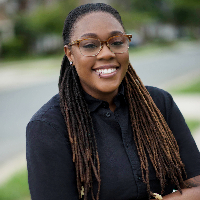
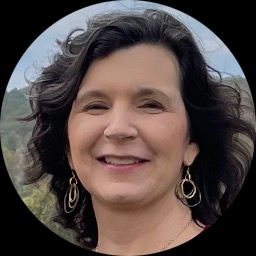
Johnnie Terrell
LCSW, LISW-CP
Compassionate social worker focused on practical change
- Stress, Anxiety
- Relationship
- Trauma and abuse
Clinical social work directory
69 therapists in this directory list Licensed Independent Social Worker - Clinical Practice (LISW-CP). Registration details are shown as each therapist lists them; the body's own public register is the place to check a number.
A Licensed Independent Social Worker - Clinical Practice (LISW-CP) is a clinical social work license granted after a master’s degree, supervised post-graduate clinical hours, and a licensing exam. Browse verified LISW-CP therapists below to review their focus areas, approaches, languages, and experience.
LCSW, LISW-CP
Compassionate social worker focused on practical change
LCSW, LISW-CP
Compassionate LCSW focused on practical change
LCSW, LISW-CP
Practical, faith-informed therapy for everyday struggles
LCSW, LISW-CP
Calm, practical support for life’s hard moments
LCSW, LISW-CP
Experienced LCSW offering steady, practical support
LCSW, LISW-CP
Practical therapy rooted in values and skills
LCSW, LISW-CP
Practical support for life transitions and emotional challenges
LISW-CP, LCSW
Support for stress and trauma recovery
LISW-CP, LCSW, CSW
Compassionate social worker for everyday struggles
LCSW, LISW-CP
Supportive LCSW offering practical emotional tools
LCSW, LISW-CP
Calm, practical therapy for everyday struggles
LCSW, LISW-CP
Compassionate practical support for life transitions
LCSW, LISW-CP
Straightforward therapy for addiction and anxiety
LCSW, LISW-CP
Compassionate practical support for daily stresses
LCSW, LISW-CP
Compassionate practical therapy for everyday struggles
LCSW, LISW-CP
Practical, person-centered therapy for life changes
LISW-CP, LCSW
Compassionate, goal-focused therapy for practical change
LISW-CP, LCSW
Experienced, direct therapist focused on relationships and stress
LISW-CP, LCSW
Experienced LCSW focused on practical help
LISW-CP, LCSW
Experienced social worker helping people through life changes
LISW-CP, LCSW, CSW
Compassionate, practical support for change
LCSW, LISW-CP
Practical guidance for anxiety and life transitions
LISW-CP, LCSW
Compassionate, practical therapy for adults
LCSW, LISW-CP
Compassionate, practical therapy for complex challenges
LCSW, LISW-CP
Practical support for stress and life change
LISW-CP, LCSW
Support for stress, trauma, and addictions
LCSW, LISW-CP
A down-to-earth LCSW focused on practical change
LCSW, LISW-CP
Compassionate social worker for life transitions
LISW-CP, LCSW, CSW
Practical support for addiction and self-worth issues
LCSW, LISW-CP
Calm practical support for life’s hard transitions
LCSW, LISW-CP
Practical support from an experienced LCSW
LCSW, LISW-CP
Practical support through life transitions
LISW-CP, LCSW, CSW
Compassionate, practical mental health care
LCSW, LISW-CP
Compassionate help for life’s difficult moments
LCSW, LISW-CP
Practical support for mood and identity challenges
LCSW, LISW-CP
Down-to-earth therapist for life changes
LISW-CP, LCSW, CSW
Compassionate, practical support for life’s challenges
LISW-CP, LCSW
Practical support for stress and relationships
LCSW, LISW-CP
Practical support for anxiety and life change
LISW-CP, LCSW
Supportive therapist focused on practical change
LISW-CP, LCSW
Practical, compassionate support for stress and trauma
LISW-CP, LCSW
Grounded counselor helping you move forward
LISW-CP, LCSW, CSW
Practical support for stress and life changes
LCSW, LISW-CP
Compassionate support for anxiety and identity struggles
LISW-CP, LCSW
Skilled social worker helping you move forward
LISW-CP, LCSW
Compassionate care for life transitions
Some links on this page are partner links. We will earn a commission if you sign up through one, at no cost to you. It does not change what you pay or the order of the listings.
The title Licensed Independent Social Worker - Clinical Practice, abbreviated LISW-CP, identifies a social worker who has completed graduate social work education and the supervised clinical experience required by a state licensing board. Typically you will find that someone holding an LISW-CP has earned a master of social work degree, completed a state-set period of supervised post-graduate clinical practice - commonly two to three years and several thousand hours though requirements vary by state - and passed a clinical licensing examination. The license is issued and renewed by the state board that governs social work in the state of practice, so the exact name, scope, and renewal schedule can differ.
Because social work training emphasizes a person-in-environment perspective, LISW-CP clinicians are trained to consider the full context of someone’s life. That means they look at housing, work, family, finances, community resources, and access to care alongside a person’s internal experience. This perspective influences how many LISW-CP clinicians frame goals and coordinate care, particularly when social or environmental factors are relevant to mental health and functioning.
Holding an LISW-CP indicates that a clinician has the legal authority in their state to provide clinical social work services independently. In practice that often includes conducting assessments, diagnosing behavioral health conditions where state law permits, developing treatment plans, providing clinical interventions, and coordinating with other professionals or community resources. The LISW-CP credential generally signifies a level of post-master’s supervised clinical experience that allows the holder to practice without ongoing clinical supervision.
Licensing structures vary across states, so how an LISW-CP compares to other credentials depends on local rules. What is consistent is that the LISW-CP title denotes a clinician who completed graduate social work education plus the clinical hours required for independent practice. Because some states use different titles or abbreviations for clinical social work licenses, the exact label you see on a profile may not be identical from one state to another. When you review profiles, focus on the listed licensure, the state of licensure, and the description of the clinician’s education and supervised experience.
LISW-CP clinicians work across many settings and with diverse populations. In community mental health, hospitals, independent practice, schools, and non-profit organizations you will encounter LISW-CP clinicians working with adults, adolescents, children, older adults, and families. Common focus areas include mood and anxiety disorders, trauma and post-traumatic stress, parenting and family challenges, substance use concerns, grief and loss, and life transitions such as divorce, relocation, or career change.
Because of social work’s emphasis on context, many LISW-CP clinicians also specialize in issues tied to social determinants of health. You may find clinicians who emphasize work with people experiencing housing instability, unemployment, immigration-related stress, caregiver strain, or chronic health conditions. Some list experience working with specific populations by age, cultural background, sexual orientation, or faith tradition. Profiles on this site include self-reported focus areas and the languages clinicians use, which can help you identify practitioners whose experience aligns with the social and environmental aspects of your situation.
Because the LISW-CP is a state-issued license, the most reliable source for verification is the licensing board in the state that issued the credential. You can typically search the board’s online license lookup by name or license number to confirm that a license is active and in good standing. The board record often shows the initial issue date, renewal dates, and any disciplinary actions or public orders. If a profile on this site lists a license number, that number can be used in the board search; if it is not listed, searching by the clinician’s full name and the state of licensure usually returns the relevant record.
If you want more context beyond the board record, you can look for other public information such as the clinician’s reported education, professional memberships, and public-facing biographies. Keep in mind that the information on this site reflects what clinicians have chosen to list about their credentials, approaches, and populations served. Verifying licensure with the issuing state board ensures you are relying on the official record rather than third-party descriptions.
When you select a clinician who holds an LISW-CP, you are choosing someone who has completed graduate social work training and a designated period of supervised clinical practice required by their state. That background usually means the clinician has experience assessing how environmental and systemic factors relate to individual well-being, and they are familiar with linking people to community and social resources in addition to providing clinical support. For people whose concerns are connected to housing, employment, family systems, or access to services, that orientation can be particularly relevant.
Start by clarifying what matters most to you. You may prioritize a clinician’s experience with a particular population, the languages they speak, their focus areas, or their approach to working with social and environmental issues. Use the information in therapist profiles to compare focus areas, descriptions of experience, approaches that clinicians list, and the populations they highlight. It is reasonable to want a clinician who lists relevant experience or who describes a practice philosophy that resonates with you.
When you review profiles, pay attention to the state listed for licensure and the educational background the clinician shares. If you have practical questions about how a clinician works - such as their experience with community resource coordination, working with families, or supporting medical and social needs alongside clinical goals - note those areas to ask about when you contact a clinician. Asking about their experience with the populations and issues you care about, their preferred ways of working, and what you can expect in a session can help you assess fit. Remember that this site provides verified licensure details and clinician-reported information about focus areas and languages, which you can use alongside the state licensing record to form a clear picture before you reach out.
Choosing a clinician is a personal decision and often benefits from a mix of practical verification and a sense that the clinician’s orientation matches your needs. Using the LISW-CP designation as one factor - together with reported specializations, experience, and licensure verification - helps you focus on clinicians whose training and professional path align with the type of clinical social work perspective you are seeking.