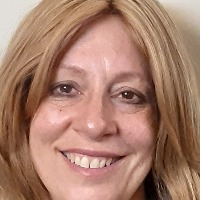
Linda Oberle
LCSW, LMSW
Supportive clinical social worker focused on practical change
- Addictions
- Trauma and abuse
- Parenting
Clinical social work directory
78 therapists in this directory list Licensed Master Social Worker (LMSW). Registration details are shown as each therapist lists them; the body's own public register is the place to check a number.
A Licensed Master Social Worker (LMSW) is a social work professional who has completed a master of social work degree and met state licensure requirements to practice at the master level. Browse the verified LMSW therapists listed below to review credentials, focus areas, and professional backgrounds.
LCSW, LMSW
Supportive clinical social worker focused on practical change
LMSW, LCSW
Practical support for stress and life transitions
LMSW, LCSW
Compassionate social worker for relationship and trauma concerns
LCSW, LMSW
Compassionate social worker guiding steady change
LMSW, LCSW
Compassionate, practical therapy for everyday challenges
LMSW, LCSW
Calm, direct support for life’s challenges
LMSW, LCSW
Experienced social worker for relationship and life challenges
LMSW, LCSW
Practical support for stress and mood struggles
LMSW, LCSW
Practical support for anxiety and life change
LMSW, LCSW
Experienced LCSW focused on practical support
LMSW, LCSW
Practical, goal-focused support for real life
LMSW, LCSW
Practical support for life’s hard moments
LMSW, LCSW
LCSW offering practical, strengths-based care
LMSW, LCSW
Experienced LCSW focused on practical solutions
LMSW, LCSW
Practical, strength-focused therapy for everyday life
LMSW, LCSW
Compassionate, practical therapy for family and trauma issues
LCSW, CSW, LMSW
Compassionate, practical therapy for life's hard moments
LMSW, LCSW
Compassionate, practical support for life's changes
LMSW, LCSW
Practical, person-focused support for life stressors
LMSW, LCSW
Practical support for stress and relationship strain
LMSW, LCSW
Compassionate social worker helping practical change
LMSW, LCSW
Practical, direct support for everyday struggles
LMSW, LCSW
Practical, strengths-focused support for life's challenges
LMSW, LCSW
Bilingual LCSW offering practical, compassionate care
LMSW, LCSW
Compassionate, practical therapy for life’s hard moments
LMSW, LCSW
Calm, practical support for life's hard moments
LCSW, LMSW
Practical, trauma-aware therapy with a warm approach
LMSW, LCSW
Practical support for stress and trauma recovery
LCSW, CSW, LMSW
Compassionate support for stress and life changes
LMSW, LCSW
Compassionate LCSW focused on practical change
LMSW, LCSW
Practical, compassionate support for life changes
LCSW, LMSW
Compassionate, practical mental health support
LMSW, LCSW
Experienced Michigan clinical social worker
LCSW, LMSW
Calm, practical support for life's hard moments
LCSW, LMSW
Gentle, practical therapy for life challenges
LCSW, LMSW
Supportive social worker for life transitions
LMSW, LCSW
Compassionate social worker helping you find steady ground
LMSW, LCSW
Compassionate social worker focused on steady progress
LMSW, LCSW
Compassionate, practical support for life's challenges
LMSW, LCSW
Warm, practical support for life’s hard moments
LCSW, LMSW
Practical support for stress and mood challenges
LMSW, LCSW
Compassionate, practical support for real life
LMSW, LCSW, CSW
Practical coping skills from an experienced social worker
LMSW, LCSW
Compassionate, goal-focused therapy for adults
LMSW, LCSW
Practical therapy for life changes and relationships
LCSW, LMSW
Support for trauma and relationship change
LMSW, LCSW
Calm, practical support for life’s hard moments
Some links on this page are partner links. We will earn a commission if you sign up through one, at no cost to you. It does not change what you pay or the order of the listings.
A Licensed Master Social Worker, commonly abbreviated as LMSW, is a practitioner who has completed a graduate degree in social work and met the educational and testing requirements set by a state licensing board. In most states that use the LMSW credential, candidates earn a Master of Social Work (MSW) from an accredited program and pass the masters-level exam administered by the Association of Social Work Boards or an equivalent state examination. The LMSW designation indicates licensure at the masters level, which authorizes a range of social work functions subject to the rules of the issuing state board.
Because licensure is governed state by state, the exact privileges associated with an LMSW vary. In some states an LMSW may provide direct client care under supervision and perform assessments, case management, advocacy, and community resource coordination. In other states the LMSW is an initial license that may lead to a higher clinical credential after completion of post-degree supervised practice and additional examination. When you are researching credentials, expect to see diversity in how states define scope and practice for an LMSW.
Your LMSW has completed coursework typical of a master of social work program, which covers human behavior in the social environment, clinical concepts, policy, research methods, and practicum fieldwork. These programs emphasize a person-in-environment perspective, meaning the training prepares clinicians to consider housing, employment, family systems, finances, community resources, and access to care alongside an individual's internal experience. That wider lens is a hallmark of social work education and influences how LMSWs assess and plan interventions.
To earn an LMSW most candidates must pass a standardized licensure exam at the masters level. Some jurisdictions also require background checks and documentation of practicum hours completed during the MSW program. In many places the LMSW is not the final clinical license; additional post-graduate supervised hours and a clinical-level exam are required to obtain independent clinical licensure. If you want clarity about what an LMSW can do in a specific state, check the language from that state's social work board because regulations and titles differ across the country.
When you compare an LMSW to other social work licenses, the most important distinction is the level of independent clinical authority and the amount of post-degree supervised experience required. An LMSW indicates master's-level education and licensure that authorizes professional social work practice within the boundaries set by the state board. In many states an LMSW will provide assessments, short-term counseling, care coordination, risk assessments, and referrals while working under clinical supervision. Higher-level clinical licenses often require additional supervised clinical hours and a separate clinical examination and can confer the ability to diagnose, develop long-term treatment plans, and practice without the same supervisory requirements.
It is important that you approach the credential as a signal of formal education and state regulation rather than a specific clinical method. The LMSW shows that the clinician met the state's standards for practice at the master's level, but the exact duties and independent privileges differ by state. If independent, long-term psychotherapy without clinical supervision is a priority for you, ask about the clinician's licensure pathway and whether they hold a clinical-level license in that state.
LMSW clinicians work across a wide range of settings and often focus on the intersections of individual needs and social systems. You will find LMSWs practicing in community mental health centers, hospitals, schools, child welfare agencies, veterans services, non-profit programs, and personal practices where state rules allow. Common focus areas include family and child welfare, trauma-informed support, substance use and recovery support, elder care and aging issues, homelessness and housing advocacy, crisis intervention, and school-based counseling.
Because social work training emphasizes systems, many LMSWs also bring strengths in resource navigation, benefits counseling, and coordinating with social services. When examining therapist profiles you may notice that some list particular populations such as adolescents, parents, LGBTQ+ individuals, or people living with chronic illness. Profiles sometimes list therapeutic approaches; when you see names of approaches, interpret that as the clinician's stated orientation rather than a certified training credential. If a particular method is important to you, look for therapists who list that approach among their practice descriptions and ask about their experience with it.
If you want to confirm an LMSW credential, the most direct route is the state social work licensing board where the clinician is licensed. Each state maintains an online license lookup or verification service that allows you to search by the clinician's name or license number. These records typically show whether a license is active, the expiration or renewal date, the issuing board, and any disciplinary actions taken by the board. If an online lookup is not available, the board's contact information should allow you to request verification by phone or email.
When verifying a license, note the exact title used by the state and whether the license is current. Licensing boards can also clarify the scope of practice associated with the LMSW in that jurisdiction, including supervisory or practice requirements that may affect how the clinician works. Keep a record of the license details you review so you have accurate information when comparing credentials. Because licensure rules change over time, the state board is the authoritative source for the most up-to-date information.
Choosing a therapist who holds an LMSW can offer strengths tied to social work values and training. LMSWs are educated to take a broad view of a person's life, so you can expect attention to how external circumstances - housing, work, family, finances, and community resources - affect wellbeing. Many LMSWs develop skills in connecting people with practical services and advocacy, which can be helpful if your needs include navigating systems or coordinating care across multiple providers. The license also provides assurance that the clinician met state-level educational and testing standards for master's-level practice.
Start by identifying the issues that matter most to you and look for LMSW profiles that list relevant focus areas, populations, or settings. Pay attention to language abilities, cultural background, and any stated experience with particular communities, because alignment on these factors can affect comfort and communication. Review the approaches that clinicians list and, if a specific method matters, seek someone who names it among their approaches and ask about their practical experience with it. Consider logistical details such as whether the clinician works in settings that fit your needs - for example school-based support, agency settings, or in-person versus remote sessions where state rules permit remote practice. Finally, prepare questions about how the clinician describes their role, how they coordinate with other services, and what you might expect in the early weeks of working together. These questions will help you judge whether the clinician's focus and professional style align with your goals.
Remember that licensure titles vary across states, so when you compare profiles focus on the clinician's stated experience, licensure jurisdiction, languages, and the populations they work with rather than assuming identical duties under the same credential. Using state verification and careful review of profiles will give you the information you need to make an informed choice about an LMSW clinician who meets your needs.