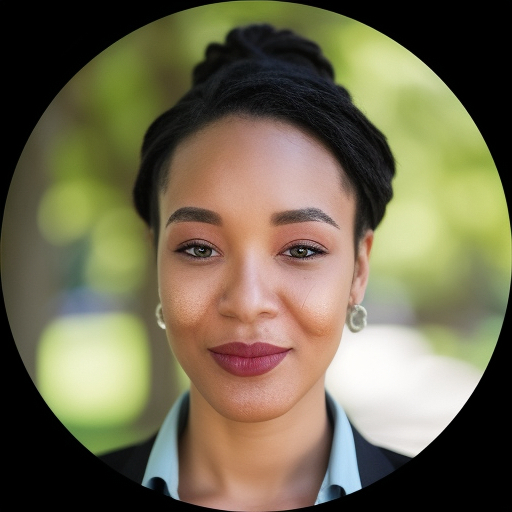
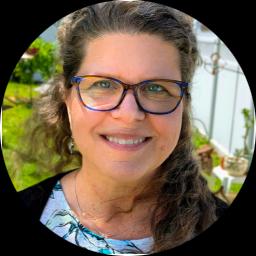
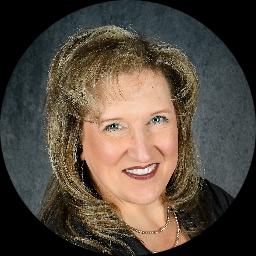
Stephen Weiss
LICSW, LCSW
Calm, steady support for life’s hard changes
- Stress, Anxiety
- Addictions
- Relationship
Clinical social work directory
315 therapists in this directory list Licensed Independent Clinical Social Worker (LICSW). Registration details are shown as each therapist lists them; the body's own public register is the place to check a number.
A Licensed Independent Clinical Social Worker (LICSW) is a social work clinician who has completed graduate education, supervised post-graduate clinical hours, and a state clinical licensing exam. Below you can browse verified profiles of therapists who hold an LICSW to learn about their experience and focus areas.
LICSW, LCSW
Calm, steady support for life’s hard changes
LICSW, LCSW, CSW
Practical, compassionate support for life transitions
LICSW, LCSW
Experienced clinician for stress and trauma
LICSW, LCSW
Compassionate social worker who supports change
LICSW, LCSW
Practical support for young adults' emotional growth
LICSW, LCSW, CSW
Compassionate clinical social worker focused on recovery
LCSW, LICSW
Calm, practical support for everyday challenges
LICSW, LCSW
Experienced social worker focused on healing
LCSW, LICSW
Compassionate practical support for life’s hard moments
LICSW, LCSW
Practical, conversational therapy for life changes
LICSW, LCSW
Compassionate, practical support for adults
LCSW, LICSW
Recovery-focused social worker
LICSW, LCSW
Compassionate, practical support for everyday challenges
LICSW, LCSW
Practical, experienced support for life transitions
LICSW, LCSW
Practical support for stress and relationships
LCSW, LICSW
Careful, down-to-earth help for everyday struggles
LCSW, LICSW
Compassionate social worker guiding life transitions
LICSW, LCSW
Experienced LCSW helping people through life transitions
LICSW, LCSW
Practical support for life’s difficult moments
LCSW, CSW, LICSW
Listening first, making steady progress
LICSW, LCSW
Practical, compassionate support for life changes
LICSW, LCSW
Calm, experienced support for everyday struggles
LICSW, LCSW
Focused help for stress and life transitions
LCSW, LICSW
Compassionate, practical support for life transitions
LICSW, LCSW, CSW
Compassionate support for stress and trauma
LICSW, LCSW
Practical support for relationship and life changes
LICSW, LCSW
Experienced trauma-informed clinical social worker
LICSW, LCSW
Grounded, practical support for stress and trauma
LICSW, LCSW
Trauma-informed social worker focused on healing
LCSW, LICSW
Focused practical therapy for stress and life changes
LICSW, LCSW
Compassionate, practical support for relationship and trauma concerns
LCSW, LICSW
Compassionate, practical support for daily struggles
LCSW, LICSW
Practical therapy for stress, trauma, and life change
LICSW, LCSW
Compassionate, practical support for stress and relationships
LICSW, LCSW
Supportive LCSW focused on practical skills
LCSW, LICSW
Practical, collaborative care for everyday struggles
LCSW, LICSW
Practical, respectful support for anxiety and trauma
LICSW, LCSW
Practical, direct support for stress and relationships
LCSW, LICSW
Empathetic LCSW supporting practical change
LICSW, LCSW
Practical support for stress and relationships
LCSW, LICSW
Compassionate clinical social worker supporting change
LICSW, LCSW
Practical, steady support for stress and anxiety
LICSW, LCSW
Compassionate, practical therapy for life transitions
LICSW, LCSW
Practical, respectful therapy for real-life struggles
Some links on this page are partner links. We will earn a commission if you sign up through one, at no cost to you. It does not change what you pay or the order of the listings.
When you see the LICSW credential it indicates a clinician has met specific educational and regulatory milestones set by a state licensing board. Typically an LICSW begins with a master of social work degree, followed by a period of supervised post-graduate clinical experience. That period is commonly two to three years and often includes several thousand supervised hours, though exact requirements vary by state. After completing supervised practice candidates must pass a clinical licensing examination and apply to the state board for an independent clinical license. The license is issued and renewed by the state board, and the exact title and scope of practice can differ from one jurisdiction to another. In practice, the LICSW designation signals that a social worker has achieved the level of training and oversight required to provide clinical services without mandatory clinical supervision in many states.
If you want to understand how an LICSW reached that credential, focus on three elements: graduate education, supervised clinical experience, and successful completion of a licensing exam. The graduate degree provides coursework in assessment, intervention, ethics, and social policy. The supervised period is designed to translate academic learning into applied clinical skills under an experienced clinician's oversight. That experience often includes diagnostic assessment, treatment planning, psychotherapeutic work, and coordination with other service providers. Passing a state-recognized clinical exam confirms a baseline of clinical knowledge. Because each state board publishes its own rules, you will sometimes find different hour requirements, titles, or renewal processes. This variability is why it can be helpful to verify details through the issuing board when you want to confirm a license's standing and scope in a particular state.
An LICSW is generally qualified to provide clinical assessments, establish a diagnosis where appropriate, and deliver psychotherapy and other clinical interventions permitted by state law. Many LICSWs are authorized to provide independent clinical practice, which means they can evaluate mental health needs, develop treatment plans, and offer ongoing therapy without mandatory clinical supervision. Beyond one-on-one psychotherapy, LICSWs frequently engage in crisis intervention, case management, care coordination, and advocacy on behalf of clients. Their training emphasizes the interaction between individual experience and the external environment, so an LICSW often integrates attention to housing, employment, family systems, and community resources into clinical work. Because license names and allowable activities vary by state, an LICSW in one state may have a slightly different scope of practice than an LICSW in another. When comparing licensure categories, the distinguishing feature of an LICSW is its focus on independent clinical practice following supervised postgraduate training.
LICSWs work in a wide range of settings and specialty areas. You will find LICSWs who focus on mood and anxiety disorders, trauma and post-traumatic reactions, family and relationship concerns, child and adolescent mental health, and elder issues. Many also specialize in substance use concerns, perinatal mental health, grief and loss, or behavioral health integration within primary care. Because social work training emphasizes the person-in-environment perspective, LICSWs often address social determinants of health such as housing instability, employment challenges, access to community resources, and legal or benefits navigation alongside clinical concerns. Settings vary from community mental health centers and schools to hospitals, long-term care facilities, and independent practice. If you look through profiles you may notice that some LICSWs describe work with specific populations like veterans, LGBTQ+ people, parents, or caregivers. When a profile lists particular approaches, remember that the listing reflects what the clinician reports about their practice rather than an external certification; for example, you might see therapists who list EMDR among their approaches, while other clinicians list narrative or family-oriented approaches among their work.
Verifying an LICSW is an important step if you want official confirmation of licensure. Start with the state licensing board that issues clinical social work licenses in the state where the clinician practices. Most state boards offer an online license lookup tool where you can search by the clinician's name or license number to confirm current standing, expiration date, and whether there are recorded disciplinary actions. Because licensure titles and abbreviations can differ across states, check the board's glossary or licensing pages if you are unsure which title corresponds to independent clinical practice in that jurisdiction. The National Provider Identifier registry can provide additional administrative details such as a clinician's listed practice address, but it does not replace the state board's official record. If you need more detail, many state boards can be contacted by phone or email for verification questions. Keeping a record of the board lookup or license number can be useful for your own files or when discussing credentials with other professionals.
Choosing a clinician who holds an LICSW brings particular strengths related to social work training and clinical authorization. The person-in-environment perspective common to social work means an LICSW is likely to consider how living conditions, community resources, work, and family life influence your mental health, and to integrate practical problem solving with clinical care. An LICSW license also indicates that the clinician has completed supervised clinical hours and passed a state exam, which are markers of a certain level of preparation for independent clinical work. If you are deciding which clinician might be a good fit, start by identifying what matters most to you - the populations a clinician focuses on, the languages they speak, experience with specific life stages or identities, and whether their described approaches align with your preferences. Read profiles to learn how practitioners describe their focus areas and professional background. When you see a particular approach listed, understand it as an indication that the therapist includes that approach in their work, and not as a formal certification automatically verified by the directory. Consider whether you want someone who emphasizes practical resource connection in addition to therapy, given social work's orientation toward community and systems. Finally, use the state board lookup to confirm licensure details and to ensure the credential is current in the state where the clinician practices.
Deciding to work with an LICSW involves weighing clinical skills alongside a practice perspective that attends to the broader context of your life. By checking licensure, reading clinicians' profiles for focus areas and experience, and considering how a person-in-environment approach fits your needs, you can make an informed choice about which LICSW to connect with. Profiles below the listing grid provide a practical way to compare focus areas, languages, and experience so you can identify clinicians whose background aligns with what you value in clinical care.