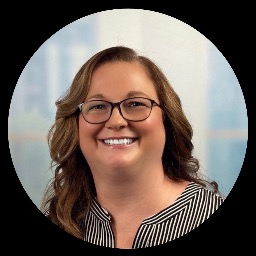
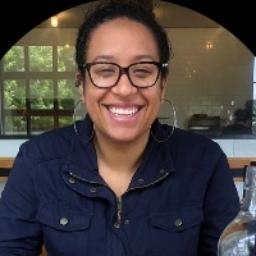
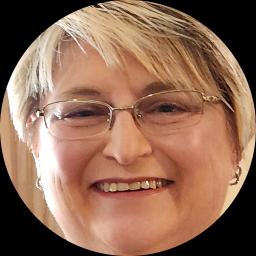
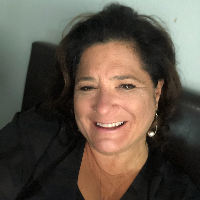
Dawn Adler
LCSW, LISW
Practical, strengths-focused therapy for everyday challenges
- Stress, Anxiety
- Relationship
- Trauma and abuse
Clinical social work directory
39 Licensed Clinical Social Workers in this directory hold a license issued in Ohio. Sessions are online; a therapist can usually only see people in the states where they hold a license, so check the license panel on each profile.
Welcome to the Ohio listings for online therapists who hold an LCSW and are licensed in Ohio. Explore the profiles below to learn about credentials, focus areas, therapeutic approaches, and languages spoken.
LCSW, LISW
Practical, strengths-focused therapy for everyday challenges
LISW, LCSW
Practical, honest support for life’s hardest problems
LCSW, LISW
Calm, practical support for life’s challenges
LCSW
Practical, goal-focused therapy for real life
LCSW, LISW
Compassionate, practical support for everyday challenges
LISW, LCSW
Helping people move forward with practical therapy
LISW, LCSW
Practical, collaborative care for everyday challenges
LCSW, LISW
Compassionate, practical therapy for life changes
LCSW
Compassionate LCSW helping practical change
LCSW, LISW
Compassionate social worker helping with complex life challenges
LCSW, LICSW
Compassionate, practical support for life changes
LISW, LCSW
Compassionate social worker focused on practical change
LCSW, LISW
Dedicated, practical clinical social worker
LCSW, LISW
Practical support for stress and life changes
LCSW, LISW
Compassionate support for practical life change
LISW, LCSW
Warm, practical social work support
LCSW, LISW
Practical, collaborative help for life challenges
LISW, LCSW
Helping people navigate stress and life changes
LICSW, MD, LCSW
Helping adults manage mood and substance concerns
LISW, LCSW
Practical support for stress and life transitions
LCSW, LISW
Calm, practical guidance for everyday challenges
LCSW
Compassionate support for addiction and trauma recovery
LCSW, LISW
Practical, compassionate support for life transitions
LCSW, LISW
Practical support for life transitions and intense feelings
LCSW, LISW
Experienced LCSW guiding practical emotional work
LCSW, LICSW
Practical, steady support for lasting change
LCSW, LISW
Compassionate support for stress and life changes
LCSW, LISW
Practical support for anxiety and grief
LCSW, LISW
Compassionate, practical therapy for everyday challenges
LCSW, LISW
Experienced social worker focused on practical change
LISW, LCSW
Experienced social worker focused on practical progress
LCSW, LICSW
Support for stress, trauma, and life changes
LCSW, LISW
Compassionate, experienced social worker
LCSW, LISW
Compassionate humanistic care with practical tools
LCSW, LISW
Practical, compassionate help for everyday struggles
LISW, LCSW
Compassionate, practical support for life's hard moments
Some links on this page are partner links. We will earn a commission if you sign up through one, at no cost to you. It does not change what you pay or the order of the listings.
If you are considering online sessions with a licensed clinical social worker in Ohio, it helps to know what that credential represents and how services are commonly delivered at a distance. An LCSW holds a master’s degree in social work, has completed a period of post-graduate supervised clinical experience - commonly two to three years and several thousand hours, depending on state requirements - and has passed a clinical licensing examination. Licenses are issued and renewed by the state board, and the title and scope of practice are shaped by Ohio rules. In practical terms, this means an LCSW is credentialed to provide clinical social work services and to address mental health and life challenges from a social work perspective.
Online sessions with LCSWs in Ohio are arranged in several ways. Some clinicians conduct sessions from an office while you join from home, a workplace break room, or another suitable location. Others work entirely remotely. Technology typically involves video calls and sometimes phone contact, supplemented by text-based messaging or shared intake paperwork. Because you and a clinician may be in different places during a session, many LCSWs will review how they handle boundaries, record-keeping, and emergency circumstances before beginning ongoing work. If you live in Ohio, you will be engaging with a professional licensed by Ohio authorities, which affects the rules that apply to your sessions.
Choosing online sessions can remove geographic barriers that make in-person visits harder to arrange. If you live in a rural community, commute across the state, have caregiving responsibilities, or simply prefer not to travel, online sessions can reduce time spent on logistics and make it easier to keep a regular schedule. You may find that you can connect with clinicians who list particular language skills, cultural competence, or experience with specific life circumstances even if those clinicians are not nearby.
Online sessions also give you more control over the environment where you meet. You can choose a place in your home, a parked car between errands, or another setting that feels comfortable and allows you to participate without undue interruption. For many people that practical flexibility supports consistency over weeks or months, which is often an important part of making progress on the issues you bring to a clinician. Technology can also allow for more flexible session formats, such as shorter check-ins or longer intake appointments, depending on how a clinician arranges their practice.
Licensed clinical social workers in Ohio work with a broad range of concerns. You will find clinicians who focus on mood-related concerns like depression and anxiety, life transitions such as divorce or relocation, grief and loss, family and relationship difficulties, parenting challenges, workplace stress, and coping with chronic health conditions. Many LCSWs also work with people navigating social and economic stressors - for example, housing instability, unemployment, or access to community resources - because social work training emphasizes the person-in-environment perspective. That perspective means an LCSW looks at your internal experience together with external factors such as family dynamics, work, finances, housing, and community connections rather than treating those elements as separate.
Some LCSWs list experience working with trauma-related concerns, substance-related issues, or issues affecting specific populations such as adolescents, older adults, or caregivers. When a clinician lists particular focus areas or approaches, that indicates areas they describe as relevant to their work; it does not by itself prove formal certification or specific outcomes. You can use profile information to identify clinicians whose stated focus aligns with the challenges you want to address.
Verifying that a clinician holds an active Ohio LCSW license is a straightforward step you can take. The Ohio licensing board maintains a public license lookup where you can search by name or license number to confirm licensure status. When you view a record, look for the license type listed as a licensed clinical social worker or the board’s equivalent designation, the license’s active status, the original issue date, and the expiration date. The public record will also indicate any disciplinary actions or restrictions that the board has placed on a license, which is important information when you are evaluating a clinician.
If you have questions about how to interpret a board record, the board’s website usually includes contact information and guidance on what different statuses mean. Because licensure and record-keeping practices vary by state, confirming that a clinician is licensed in Ohio is particularly important if you are connecting with someone who may list locations or credentials in multiple states. A license issued by the Ohio board means the clinician is authorized under Ohio rules to provide clinical social work services in Ohio.
Begin by reading clinician profiles to learn about credentials, focus areas, approaches they list, and languages spoken. Pay attention to the practical information noted in profiles such as typical session length, whether a clinician mentions offering online sessions, and whether they list population groups they work with. When you reach out to a clinician, you can ask about their intake process, fees and payment methods, whether they accept your insurance or provide a superbill for reimbursement, and how they manage paperwork and consent for online sessions. You may also want to ask how they handle emergencies or urgent needs when sessions occur at a distance so you understand the plan for crisis situations.
For the session itself, choose a quiet place where you can speak without interruption and where you feel comfortable sharing personal material. If you need a quiet space for a conversation, consider scheduling when others are not present or using a parked car or other location that allows you to be undisturbed. Use a reliable internet connection and a device with a working camera and microphone. Test the chosen platform ahead of the first appointment if you can, and make sure you know how to rejoin a call if your connection drops. Having a simple backup plan - such as a phone number to call - can reduce stress if the video connection fails.
Choosing a clinician is a personal decision that blends practical concerns with interpersonal fit. Start by focusing on the elements you can compare: credentials, years of experience, population groups, languages, and the focus areas the clinician lists. Because social work emphasizes the person-in-environment perspective, you may prefer clinicians who explicitly mention working with social and systemic factors such as housing, employment stress, or family dynamics if those elements are important in your life.
Consider your preferred communication style and whether you want a clinician who describes a direct, skills-oriented approach or one who emphasizes exploration and long-term support. Profiles often list therapeutic approaches; remember that a clinician listing an approach is not the same as a certification, but it does indicate the methods they commonly reference. It is reasonable to ask clinicians about how they structure sessions, how they measure progress, and how they include practical problem-solving alongside emotional support. If cultural competence or language ability matters to you, prioritize clinicians who note relevant experience and language fluency. Finally, trust your sense of rapport. After a first meeting many people can tell whether the clinician’s manner and way of working feel like a good match. If you do not feel that connection, it is appropriate to continue searching until you find someone who aligns with your needs and preferences.
Finding the right online LCSW in Ohio means balancing practical considerations with the interpersonal qualities that support good work together. By reviewing profiles, verifying licensure through the state board, preparing for the technical side of online sessions, and reflecting on the focus areas and experience that matter to you, you can make an informed choice about who to work with. Keep in mind that social work’s person-in-environment orientation makes LCSWs especially attentive to how your life circumstances interact with your internal experience, and that perspective can be an important part of the support you choose.