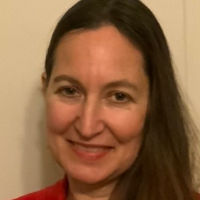
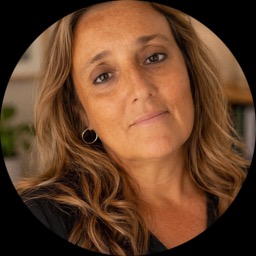
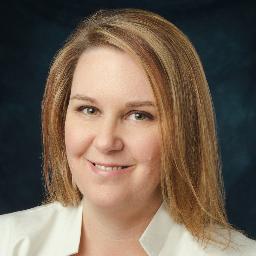
Maria Wilson
LCSW
Compassionate, practical therapy for stressed parents and adults
- Stress, Anxiety
- Relationship
- Family
Clinical social work directory
1,323 therapists list adoption among the things they work with. All offer sessions online, and every profile shows the registering body, the membership number and when it runs to.
This directory highlights Licensed Clinical Social Workers (LCSWs) who list adoption as a specialty. Browse the listings below to review each clinician's focus areas, approaches, languages, and experience related to adoption.
LCSW
Compassionate, practical therapy for stressed parents and adults
LICSW, LCSW
Calm, steady support for life’s hard changes
LCSW
Practical, values-driven therapy for life challenges
LCSW
Compassionate social worker focused on practical change
LCSW
Forward-focused therapist for practical change
LCSW
Practical, respectful therapy focused on real life
Experienced social worker and clinician
LCSW
Practical, evidence-based support for stress and trauma
LICSW, LCSW, CSW
Practical, compassionate support for life transitions
LCSW
Compassionate, experienced support for family and life change
LCSW
Compassionate, practical support for life changes
LCSW
Experienced LCSW offering steady, practical support
LCSW, LMSW
Supportive clinical social worker focused on practical change
LCSW
Attachment-informed practical therapy for parents and adults
LCSW
Practical, compassionate therapy for life transitions
LCSW
Experienced LCSW guiding practical change
LCSW
Calm practical support for everyday challenges
LICSW, LCSW
Compassionate social worker who supports change
LCSW
Calm, experienced therapist focused on practical change
LCSW
Compassionate social work with practical steps
LCSW
Experienced LCSW focused on practical change
LCSW
Compassionate, practical therapy for everyday struggles
LCSW
Compassionate, practical therapy for life’s hard moments
LCSW
Compassionate therapy for life’s difficult moments
LCSW
Compassionate practical support for stress and identity
LCSW
Compassionate, practical therapy for real-life challenges
LCSW
Gentle practical therapy for life transitions
LCSW
Practical, strengths-based help for life’s hard moments
LCSW
Compassionate practical therapy for everyday struggles
LCSW
Compassionate, practical support for adults
LCSW
Compassionate, practical help for emotional struggles
LCSW
Practical support for stress, relationships, and life changes
LCSW
Calm, practical support for stressful times
LCSW, CSW
Practical support for stress, relationships, and life change
Some links on this page are partner links. We will earn a commission if you sign up through one, at no cost to you. It does not change what you pay or the order of the listings.
Adoption can be a life-changing event for everyone involved. For children, adoption often shapes a developing sense of identity, belonging, and attachment. For adoptive parents, the process can bring joy and fulfillment alongside complex emotions such as grief for imagined expectations, anxiety about bonding, and questions about parenting identity. For birth parents, adoption can involve layered loss, practical challenges, and difficult decisions about contact and openness. Extended family members and professionals in caregiving roles also experience adjustment as family relationships are redefined.
Licensed Clinical Social Workers bring a particular perspective that can be helpful when adoption is part of your story. An LCSW holds a master’s degree in social work, has completed a state-set period of supervised post-graduate clinical experience, and has passed a clinical licensing examination. Social work training emphasizes a person-in-environment perspective, which means an LCSW will consider not only internal feelings and behaviors but also housing, school, work, community supports, legal circumstances, and access to services when assessing adoption-related issues. That broader lens can be useful because adoption rarely affects only individual emotions - it intersects with systems, relationships, and resources.
You may be wondering whether adoption-related challenges call for professional help. People often seek an LCSW when emotions or situations related to adoption begin to interfere with daily life, relationships, or functioning. You might be noticing persistent feelings of grief, guilt, shame, anger, or numbness tied to adoption, recurring intrusive memories or flashbacks from traumatic experiences before placement, or difficulty forming supported attachments with a child. Adolescents and adults adopted as children sometimes struggle with identity questions, searching for origins, or complex feelings about contact with birth family. Prospective adoptive parents and families can experience anxiety, overwhelming stress during placement processes, or adjustment struggles after a child joins the family.
Practical signs that therapy could help include ongoing relationship strain with a partner or family member over adoption decisions, behavioral concerns in children that do not respond to usual supports, difficulty navigating school or social settings related to identity, or challenges managing legal, medical, or educational systems tied to adoption. If you are preparing for a reunion, exploring openness arrangements, or coping with infertility and considering adoption, an LCSW can help you weigh emotional and systemic dimensions. Choosing to seek help does not mean something is wrong with you; it means you want guided support for a major life transition.
In early sessions with an LCSW you can expect a thorough intake that explores both your internal experience and the external context that affects it. The clinician will usually ask about your personal history, family relationships, cultural identity, legal and medical background relevant to the adoption, and practical concerns such as housing or school. Because social workers are trained to consider the whole environment, these early conversations often include questions about supports, stressors, and systems that may shape your situation. You and the LCSW typically develop clear goals together - whether that means coping with grief, improving family communication, preparing for a transition, or navigating contact with birth family.
Therapy for adoption-related issues often combines emotional processing with skill-building and problem-solving. You might spend time exploring attachment patterns and how early experiences influence current relationships. You may also work on communication strategies for family members, practice emotion regulation skills, and develop plans to manage interactions with schools or agencies. Sessions can include joint family or couple meetings when appropriate and with consent, as well as individual work. Progress is often gradual; some topics such as identity exploration or processing complex loss take time and may resurface at different life stages. The LCSW's role is to support you as you make meaning of these experiences and build practical coping strategies that reflect your family circumstances and cultural values.
Many Licensed Clinical Social Workers draw on a range of approaches that align with adoption issues. You will find clinicians who list attachment-focused work among their approaches, those who describe trauma-informed care, and others who emphasize family systems or narrative-oriented work. Some LCSWs emphasize strengths-based practice that looks for resilience and resources in your life, while others highlight developmental or relational frameworks to help with parent-child attachment and adolescent identity questions. When exploring listings, pay attention to the ways clinicians describe their focus - for example, some may note experience with openness arrangements, transracial adoption, foster care to adoption transitions, or post-adoption services.
Because the directory records what clinicians list rather than verifying certification in specific methods, it is helpful to think of approach descriptions as a starting point for conversation. An LCSW's training in social work equips them to integrate environmental and systemic factors into therapeutic planning. That may mean addressing educational advocacy, connecting you to community resources, or coordinating with other professionals involved in the adoption plan. Therapy is typically collaborative, and most clinicians will adapt pacing and methods to the developmental stage of the child or the needs of the family.
Online sessions can make it easier to connect with an LCSW who has experience relevant to adoption, especially when local options are limited. In remote sessions you and the clinician meet through video or phone, which allows for flexible scheduling and the ability to include family members who live apart. Online work can be well suited to emotional processing, planning for reunions, or coordinating supports across geographic distances. You should expect the clinician to discuss practical matters like session length, communication norms, and how to handle emergencies before beginning remote care.
There are tradeoffs to consider. Some people find in-person meetings more helpful for building initial rapport or for family sessions that involve several people in the same room. Others appreciate the convenience and continuity that online work provides. Because adoption often intersects with legal and agency systems, an LCSW working remotely may offer guidance on local resources and referrals while clarifying the limits of their role when state licensing affects where they can practice. When you choose online sessions, plan for a personal, interruption-free setting and discuss with the clinician how to handle times of high emotion or crisis so you feel supported between appointments.
Finding the right clinician is a personal process and often hinges on fit as much as credentials. Look for LCSWs who mention adoption-related focus areas that match your needs, such as infant adoption, transracial adoption, adult adoptee identity work, or post-adoption parenting challenges. Consider language abilities, cultural competence, and experience with the systems that matter in your case - for example, child welfare, immigration, or educational advocacy. Because social work emphasizes person-in-environment assessment, an LCSW's attention to practical resources and community supports can be an important factor when you need help navigating systems in addition to emotional support.
When you review a listing, note how the clinician describes their populations and approaches and whether those align with your priorities. It can be useful to prepare questions in advance about how they typically work with adoption-related issues, how they involve family members, and what supports they recommend outside of sessions. Trust your sense of rapport as you engage with a clinician; feeling heard and understood is a core part of effective work, especially when adoption raises identity, attachment, or grief-related concerns. Finally, if you have legal or medical questions tied to adoption, an LCSW can often help you locate appropriate specialists or advocate for coordinated care across professionals so you are supported on multiple fronts.
Adoption touches many parts of life, and an LCSW's combined clinical training and systems perspective can help you navigate emotional, relational, and practical dimensions. Use the listings on this page to review clinicians' focus areas and experience, and reach out to begin a conversation about the kind of support that would fit your family and your goals.