Clinical social work directory
Therapists who work with Chronic Illness
1,598 therapists list chronic illness among the things they work with. All offer sessions online, and every profile shows the registering body, the membership number and when it runs to.
Browse licensed clinical social workers (LCSWs) who focus on chronic illness and long-term health challenges. Use the listings below to review profiles and learn how an LCSW might support your daily life and care needs.

Ersha Mitchell
LCSW
Practical, values-driven therapy for life challenges
- Stress, Anxiety
- LGBT
- Trauma and abuse

Allysia Steward
LCSW
Calm, practical support for everyday mental health
- Stress, Anxiety
- Grief
- Self esteem


Dr. Virginia Clark
LCSW
Experienced LCSW supporting life changes
- Stress, Anxiety
- Addictions
- Trauma and abuse
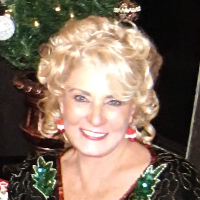
Michelle Lesagonicz
LCSW
Person-centered care with practical tools
- Stress, Anxiety
- Relationship
- Family
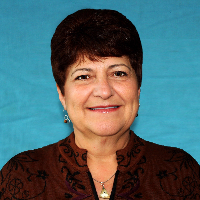

Carolyn Allen
LCSW
Compassionate practical support for everyday challenges
- Stress, Anxiety
- Self esteem
- Career

David Powell
LCSW
Restorative, practical therapy for everyday challenges
- Stress, Anxiety
- Relationship
- Intimacy-related issues

Lynda Wright
LCSW
Practical, strengths-based help for life changes
- Stress, Anxiety
- Trauma and abuse
- Grief
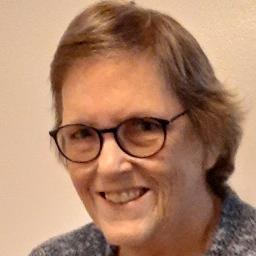

Chase Carter
LCSW
Practical, values-focused therapy for life problems
- Addictions
- Relationship
- Trauma and abuse

Dr. & Mrs. Joy Rodriguez
LCSW
Compassionate LCSW for practical coping skills
- Stress, Anxiety
- Addictions
- Relationship

Prof. Craig Hutton
LCSW
Practical, respectful therapy focused on real life
- Stress, Anxiety
- Relationship
- Trauma and abuse

Faryal Choudry
LCSW
Practical support for stress and relationships
- Stress, Anxiety
- Addictions
- Relationship

La Kevia Moore
LCSW
Practical, evidence-based support for stress and trauma
- Stress, Anxiety
- Trauma and abuse
- Self esteem

Lorenzo Marmolejo
LCSW
Practical support for stress and trauma recovery
- Stress, Anxiety
- Trauma and abuse
- Grief
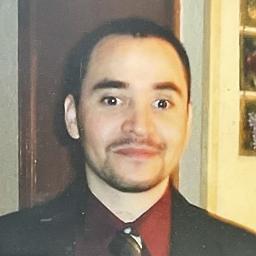
Marilyn Medow
LCSW
Compassionate guidance grounded in decades of practice
- Stress, Anxiety
- Family
- Trauma and abuse

Natalie Talpesh
LCSW
Practical, relationship-focused mental health support
- Stress, Anxiety
- Relationship
- Self esteem

Deborah Zimmerman
LCSW
Practical, steady care from an experienced LCSW
- Addictions
- Trauma and abuse
- Grief




Lauren Moret-Glass
LSCSW, LCSW
Practical, respectful therapy for life changes
- Stress, Anxiety
- Relationship
- Trauma and abuse


Mark Saverino
LCSW
Compassionate, practical support for life's hard moments
- Stress, Anxiety
- Grief
- Anger

Marsha Hatchel
LCSW
Calm, practical support for life’s hard moments
- Stress, Anxiety
- Self esteem
- Depression

Madison Montes
LCSW, CSW
Practical support for stress and recovery
- Stress, Anxiety
- Addictions
- Trauma and abuse

Anntoinette Titus
LCSW
Compassionate, practical therapy focused on everyday life
- Stress, Anxiety
- Addictions
- Relationship


Susan Rhodes
LICSW, LCSW
Compassionate social worker who supports change
- Stress, Anxiety
- Addictions
- Family

Katherine Georgeoff Mohr
LCSW
Therapist focused on practical coping skills
- Stress, Anxiety
- Trauma and abuse
- Grief

Joel Brooks
LCSW
Calm, experienced therapist focused on practical change
- Stress, Anxiety
- Addictions
- Relationship



Debra Morrison-Orton
LCSW
Experienced Texas LCSW providing steady, practical support
- Stress, Anxiety
- Addictions
- Relationship

Dr. Marilyn Sails
LCSW
Compassionate social work with practical steps
- Stress, Anxiety
- Trauma and abuse
- Self esteem
Lisa Orr
LCSW
Practical, collaborative therapy for real life struggles
- Stress, Anxiety
- Family
- Trauma and abuse

Deborah Mason
LCSW
Calm, practical support through life changes
- Stress, Anxiety
- Trauma and abuse
- Grief


Kimberly Nixon
LCSW
Experienced LCSW helping people regain balance
- Stress, Anxiety
- Trauma and abuse
- Grief


Mary Knight
LCSW
Compassionate practical support for life’s hard moments
- Stress, Anxiety
- Addictions
- Anger
Amy Weissman-Hunt
LCSW
Helpful, steady therapy for life transitions
- Stress, Anxiety
- Relationship
- Self esteem

Linda Flynn
LCSW
Practical trauma recovery and addiction support
- Addictions
- Relationship
- Trauma and abuse


Gabrielle Gough
LCSW
Compassionate social worker for grief and stress
- Stress, Anxiety
- Grief
- Depression

Kimberly Sylla
LCSW
Compassionate, practical therapy for life’s hard moments
- Stress, Anxiety
- Addictions
- LGBT

Some links on this page are partner links. We will earn a commission if you sign up through one, at no cost to you. It does not change what you pay or the order of the listings.
What chronic illness means and how it commonly affects you
Chronic illness refers to health conditions that last a year or more and require ongoing medical attention, self-management, or limitations on daily activities. Conditions vary widely in cause and severity, from autoimmune disorders and diabetes to long-term neurological or respiratory conditions. Living with a chronic condition often reshapes the everyday rhythms of life - your work, finances, relationships, and sense of identity can all be affected as symptoms fluctuate and care needs evolve.
When you manage a long-term health condition you may notice practical changes such as navigating complex care systems, balancing medications and appointments, or adapting your living environment. You may also face less-visible effects: persistent fatigue, disrupted sleep, shifts in mood, worry about the future, or grief for the life you expected. Because chronic illness touches both external circumstances and inner experience, many people find it useful to work with a licensed clinical social worker who understands how life context and health interact.
Signs you might benefit from working with an LCSW for chronic illness
You might consider seeking help when illness-related challenges start to interfere with daily functioning or overall wellbeing. If you feel overwhelmed by ongoing symptom management, if stress or mood changes are making it harder to carry out usual activities, or if family and work roles have been significantly disrupted, an LCSW can be an informed partner in addressing those issues. In addition, if coordinating medical care, accessing community resources, or managing financial and housing concerns linked to health is causing strain, an LCSW’s training in a person-in-environment perspective can be particularly useful.
Other signs include frequent anxiety about health, difficulty adjusting after diagnosis, trouble maintaining relationships, or problems with adherence to medical regimens due to emotional or practical barriers. You may also seek support when you are exploring decisions about care planning, disability paperwork, or communicating needs to employers and loved ones. An LCSW’s skill set is built to look beyond isolated symptoms and to consider the whole range of social and environmental factors that affect your health.
What to expect in sessions focused on chronic illness
Assessment and collaborative goal-setting
In early sessions you and the LCSW typically review your medical history, daily routines, social supports, and the specific challenges that brought you to therapy. The license of LCSW indicates graduate social work education, supervised clinical experience, and passage of a licensing exam, so you can expect a clinical conversation that blends emotional and practical assessment. Your goals may include managing symptoms, improving day-to-day functioning, building coping strategies, or addressing the social and systemic barriers affecting your care.
Practical problem-solving and emotional support
Therapy with an LCSW often combines emotional processing with concrete problem-solving. You may work on stress management, communication skills for medical appointments, or strategies to maintain meaningful activities while pacing energy. Because LCSWs are trained to consider environmental factors, sessions may also explore housing, employment, benefits, caregiving roles, and community resources that affect your health. This dual focus helps you build tools for living with chronic illness while addressing the practical obstacles that make daily life harder.
Common therapeutic approaches used for chronic illness
Therapists who hold an LCSW may list a range of approaches among their methods for working with chronic illness. Cognitive-behavioral techniques are often used to help you reframe unhelpful thought patterns and develop coping behaviors that reduce distress. Acceptance-oriented approaches can support adapting to ongoing symptoms by helping you identify values and pursue meaningful activities despite limitations. Mind-body strategies such as relaxation training or activity pacing are frequently incorporated to address the interaction of stress and physical symptoms.
Family and systems-oriented approaches are also common when illness affects relationships and caregiving dynamics. Because LCSWs bring a person-in-environment perspective, they often attend to how social supports, workplace policies, and community resources interact with individual wellbeing. When a therapist lists a particular approach among their practices, it indicates that they use those ideas in sessions, not that the credential itself is a form of treatment. You can expect a flexible blend of methods tailored to your circumstances and goals.
How online therapy works for chronic illness and what to consider
Practical advantages and how sessions are conducted
Online sessions can make consistent mental health support more accessible if travel, mobility, or symptom unpredictability makes in-person visits difficult. Many LCSWs offer video or phone sessions that let you meet from home, a clinic, or another setting that fits your needs. In online sessions you and the therapist can focus on emotional processing, coping skills, planning for care coordination, and communication techniques for medical teams. You should expect the therapist to discuss how they handle documentation, communication with other providers if needed, and any limits on electronic contact.
Technical and privacy considerations
When you choose online sessions, think about your comfort with technology, the device you will use, and a stable internet connection for video. Consider where you will sit during a session so you have adequate privacy and minimal interruptions. If you need to discuss medical details, some people find it helpful to have relevant records or a medication list on hand. Because each state issues the LCSW license and defines scope of practice, online sessions may be provided only when the therapist is licensed in the state where you are located at the time of the appointment. You can review a therapist’s profile for listed states of practice and languages spoken to narrow your search.
Tips for choosing the right LCSW for chronic illness support
Focus areas, experience, and practical fit
Start by looking at profiles for LCSWs who list chronic illness or related focus areas. Profiles often include descriptions of clinical interests, experience with medical systems, and languages spoken. Because LCSW licensing reflects graduate education and supervised clinical experience, it signals a clinician qualified to address both emotional and contextual aspects of chronic illness. Consider whether you prefer a therapist who emphasizes coping skills, care coordination, family systems, or a values-oriented approach based on what feels most helpful to you.
Questions to guide your decision
Reflect on logistics that matter to you - session format, communication style, cultural competence, and whether the therapist lists experience with conditions similar to yours. If coordination with medical providers or assistance with benefits and community resources is important, look for descriptions that mention case management or systems work as part of the LCSW’s practice. Language access and cultural understanding can also shape the therapeutic relationship, so seek clinicians who list languages and communities they work with. Ultimately, choosing an LCSW is about fit - how the clinician’s focus areas, approaches they list, and experience align with your priorities as you manage long-term health challenges.
Working with a licensed clinical social worker can help you address both the emotional impact of chronic illness and the social realities that shape care. By reviewing profiles, reading about approaches they list, and reflecting on the practical needs you face, you can find an LCSW whose skills and perspective match the life adjustments you are making.