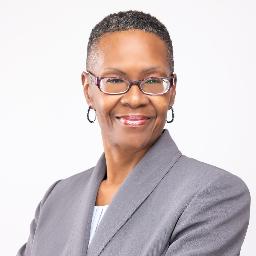
Deneta Jones-Udefi
LCSW
Practical support for relationships and personal growth
- Relationship
- Parenting
- Self esteem
Clinical social work directory
2,989 therapists list compassion fatigue among the things they work with. All offer sessions online, and every profile shows the registering body, the membership number and when it runs to.
Browse profiles of licensed clinical social workers who list compassion fatigue as a focus area. Use the listings below to review LCSW backgrounds, approaches, languages, and areas of emphasis as you explore who might be a good match for your needs.
LCSW
Practical support for relationships and personal growth
LCSW
Compassionate, practical therapy for stressed parents and adults
LICSW, LCSW
Calm, steady support for life’s hard changes
LCSW
Compassionate support for addiction and trauma recovery
LCSW
Compassionate social worker focused on practical change
LCSW
Calm guidance for grief, anxiety, and relationship struggles
LCSW
Experienced LCSW supporting life changes
LCSW
Person-centered care with practical tools
LCSW
Compassionate therapist helping people build stronger coping skills
LCSW
Restorative, practical therapy for everyday challenges
LCSW
Forward-focused therapist for practical change
LCSW
Compassionate social worker focused on real-life change
LCSW
Practical, respectful therapy focused on real life
LCSW
Practical, grounded support for life's hard seasons
Experienced social worker and clinician
LCSW
Practical, respectful therapy for everyday struggles
LCSW
Calm, practical support for everyday struggles
LCSW
Compassionate, practical therapy for everyday struggles
LICSW, LCSW, CSW
Practical, compassionate support for life transitions
LCSW
Practical, client-focused support for life changes
LCSW
Experienced LCSW offering practical, nonjudgmental therapy
LCSW
Practical, relationship-focused mental health support
LCSW
Practical, steady care from an experienced LCSW
LCSW
Compassionate, practical support for life challenges
LCSW
Helping you make steady, practical change
LCSW, LISW
Practical, strengths-focused therapy for everyday challenges
LCSW
Hopeful, practical therapy for real-life struggles
LCSW
Experienced LCSW offering steady, practical support
LCSW
Practical, steady support for stress and relationships
LCSW
Helping people overcome addiction and relationship strain
LCSW
Attachment-informed practical therapy for parents and adults
LICSW, LCSW
Compassionate social worker who supports change
LCSW
Practical, down-to-earth therapy for real life
LCSW
Therapist focused on practical coping skills
LCSW
Calm, experienced therapist focused on practical change
Some links on this page are partner links. We will earn a commission if you sign up through one, at no cost to you. It does not change what you pay or the order of the listings.
Compassion fatigue is the emotional and physical wear that builds up from sustained exposure to others' suffering. It is common among clinicians, first responders, social service workers, and caregivers who are regularly engaged in emotionally intense work. You may notice a reduced capacity to empathize, feelings of numbness, irritability, or a sense that your energy is constantly depleted. Although compassion fatigue overlaps with burnout and vicarious trauma, it has its own pattern tied specifically to prolonged caregiving and empathic strain.
Licensed clinical social workers bring a distinct person-in-environment perspective. That perspective means an LCSW looks at your current emotional experience alongside the practical circumstances that shape it - housing, workplace demands, family responsibilities, finances, and access to supports. If you want help that connects your inner experience to everyday context and systems, you may find working with an LCSW especially relevant. An LCSW holds a master’s degree in social work, completes a state-set period of supervised post-graduate clinical experience - commonly around two to three years and several thousand hours depending on the state - and has passed a clinical licensing exam. Licensure is issued and renewed by state boards, and scope of practice can vary by state.
You might consider seeking support if your usual coping strategies are not restoring your sense of balance. Signs commonly include persistent exhaustion, reduced enjoyment in work or life activities, decreased empathy toward those you care for, irritability, and a heightened sense of dread about going to work. You may also experience sleep disruptions, difficulty concentrating, or a tendency to withdraw from relationships. These reactions are not moral failures - they are signals that the emotional demands placed on you have exceeded your current resources.
Compassion fatigue often shows up alongside stressors in your environment. Increased caseload, frequent exposure to traumatic stories, lack of organizational supports, and personal strains at home make it harder to replenish emotional energy. If you find yourself making decisions that prioritize immediate relief but create longer-term strain - for example, cancelling self-care, skipping breaks, or overworking - that pattern is worth addressing. A licensed clinical social worker can help you explore how systemic and personal factors interact to produce these patterns and develop strategies that respond to both.
Your first conversations with an LCSW will typically focus on understanding the full picture of your life - not just symptoms. You can expect a careful intake that explores your work context, family and living situation, patterns of stress and recovery, cultural background, and goals for change. This broader assessment helps shape interventions that fit your circumstances rather than treating symptoms in isolation.
Sessions often combine emotional processing with practical skill-building. You may work on developing boundaries, scheduling restorative activities, improving sleep routines, and reorganizing responsibilities to reduce overload. An LCSW tends to emphasize interventions that are realistic within your environment, such as small, sustainable changes at work or home and strategies to negotiate supports with employers or family. The process is collaborative - you and the clinician identify priorities and test what works in your daily life.
Licensed clinical social workers take a range of clinical approaches. When reviewing profiles, you will often see descriptions of methods and orientations. Therapists who hold an LCSW and who list cognitive-behavioral approaches focus on identifying unhelpful thinking patterns and building alternate responses. Therapists who list trauma-informed care emphasize safety, pacing, and an understanding of how traumatic exposure shapes reactions. Others list mindfulness-based strategies that cultivate present-moment awareness and stress regulation. You may also find therapists who list narrative or strength-based approaches that reframe experience and build resilience.
Alongside these clinical approaches, social work practice often integrates a systems lens. That means an LCSW is likely to consider workplace policies, community supports, and social determinants that affect your well-being. Treatment plans may therefore include advocacy steps, resource connections, or coordination with other service providers when that is helpful. Keep in mind that listing an approach on a profile does not certify specific training; it indicates areas a therapist highlights in their work. Use those descriptions to identify clinicians whose stated emphases match what you need.
Online sessions let you meet with an LCSW from a location that fits your schedule and safety needs. A typical session follows a similar structure to in-person work - check-in, targeted work for the session, and planning for between-session practices. Technology requirements are minimal - a device with a camera and a reliable internet connection - though platforms vary in features. You will want to choose a setting in your home or another space where you can speak without interruption and feel mentally prepared to engage.
Because LCSW licensure is regulated by state boards, practice rules for online sessions vary across states. A licensed clinical social worker will be practicing under the regulations of the state in which they hold their license. If you live in a different state than the clinician, that can affect whether or how they practice with you. In addition to licensing, session format is one part of fit - consider whether you prefer video, phone, or a mixed approach and how that will work with your schedule and role demands. Many people find that online sessions reduce travel time and make it easier to maintain regular contact during times of heavy workload.
Start by looking for licensed clinical social workers who explicitly list compassion fatigue, caregiver stress, or vicarious trauma among their focus areas. Read how they describe their work with similar populations - for example, health care workers, social service professionals, first responders, or family caregivers - and notice whether they mention workplace or systemic factors. Because social work centers the person-in-environment perspective, you may prefer clinicians who discuss both emotional work and practical, context-based strategies.
Beyond clinical focus, check languages spoken, population emphases, and how a clinician describes their session style and goals. Look for descriptions that resonate with how you want to engage - some people want structured skill-building, others want space for reflective processing, and many benefit from a mix. Also consider logistical items that matter to you, such as session format and fees. Remember that an LCSW’s licensure history and state of issuance are relevant because rules of practice differ by state, and many clinicians note those details on their profiles.
When you reach out to learn more, you can gauge how a clinician responds to questions about their experience with compassion fatigue, how they integrate systems-level work, and what kinds of between-session supports they suggest. It is reasonable to ask how they typically structure work with professionals and caregivers, how they approach pacing after exposure to traumatic material, and whether they coordinate with workplace supports when appropriate. Over time you will get a sense of whether the clinician’s style and plan align with your needs.
Compassion fatigue responds well to focused attention that addresses both emotion and context. By looking for licensed clinical social workers who describe a balance of clinical skill and environmental awareness, you can find therapists who are prepared to work with the full complexity of your role and responsibilities. Take your time reviewing profiles, read how clinicians describe their approach, and prioritize the combination of practical help and emotional understanding that fits your situation.