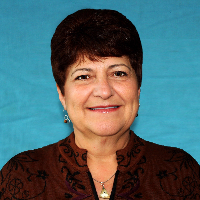
Tinita Samuels
LCSW
Compassionate, practical support for emotional challenges
- Stress, Anxiety
- Grief
- Anger
Clinical social work directory
2,707 therapists list control issues among the things they work with. All offer sessions online, and every profile shows the registering body, the membership number and when it runs to.
This page lists licensed clinical social workers (LCSWs) who focus on control issues and related patterns of behavior. Browse the therapist profiles below to compare credentials, approaches, languages, and experience.
LCSW
Compassionate, practical support for emotional challenges
LCSW
Compassionate, practical therapy for stressed parents and adults
LICSW, LCSW
Calm, steady support for life’s hard changes
LCSW
Calm, practical support for everyday mental health
LCSW
Compassionate social worker focused on practical change
LCSW
Experienced LCSW supporting life changes
LCSW
Person-centered care with practical tools
LCSW
Helping people navigate stress and relationship pain
LCSW
Compassionate practical support for everyday challenges
LCSW
Restorative, practical therapy for everyday challenges
LCSW
Compassionate, practical support for life challenges
LCSW
Practical, strengths-based help for life changes
LCSW
Practical, values-focused therapy for life problems
LCSW
Compassionate, practical support for personal growth
LCSW
Compassionate social worker focused on real-life change
LCSW
Calm, practical therapy for everyday challenges
LCSW
Practical, evidence-based support for stress and trauma
LCSW
Calm, practical support for everyday struggles
LCSW
Experienced LCSW providing steady support
LICSW, LCSW, CSW
Practical, compassionate support for life transitions
LCSW, CSW
Compassionate support for trauma and addiction recovery
LCSW
Compassionate guidance grounded in decades of practice
LCSW
Practical, steady care from an experienced LCSW
LCSW
Calm support for stress and life changes
LCSW
Compassionate, practical support for stressful times
LCSW
Practical support for stress and relationships
LCSW
Helping you make steady, practical change
LCSW, LISW
Practical, strengths-focused therapy for everyday challenges
LCSW
Hopeful, practical therapy for real-life struggles
LCSW
Compassionate, practical support for life transitions
LCSW, LISW-CP
Compassionate social worker focused on practical change
LCSW, CSW
Compassionate social worker focusing on relationships
LSCSW, LCSW
Practical, respectful therapy for life changes
LCSW
Practical, steady support for stress and relationships
LCSW
Compassionate, practical care for mood and life changes
LCSW
Calm, practical support for life’s hard moments
Some links on this page are partner links. We will earn a commission if you sign up through one, at no cost to you. It does not change what you pay or the order of the listings.
Control issues can take many shapes - rigid routines, chronic perfectionism, intense worry when plans change, or attempts to micromanage relationships and environments. For some people control becomes a coping pattern that helps manage anxiety or uncertainty. For others it develops from early family dynamics, cultural expectations, trauma, or ongoing stressors at work and home. The experience of living with strong control needs often includes feeling drained, isolated, or stuck, and it can create friction with loved ones and colleagues.
When you look for help from a licensed clinical social worker you are choosing a clinician whose training emphasizes a person-in-environment perspective. That means an LCSW will routinely consider your internal experience alongside practical life circumstances such as housing, employment, family responsibilities, finances, and community supports. An LCSW holds a master’s degree in social work, has completed a state-set period of supervised post-graduate clinical experience - commonly two to three years and several thousand hours depending on the state - and has passed a clinical licensing examination. Licenses are issued and renewed by individual state boards, and scope of practice and title can vary by state.
You may find therapy helpful if your need to control is causing repeated conflict, stress, or physical symptoms like insomnia and tension. If you notice that you have difficulty delegating tasks, that small disruptions provoke intense anxiety, or that you avoid situations where you cannot predict outcomes, these patterns can limit your quality of life. Control issues can show up as overplanning, strict rules you impose on yourself or others, excessive checking, or a persistent sense that things must be done a certain way to avoid disaster.
Relationships are a common area where control patterns become visible. If friends, partners, or coworkers tell you that your behavior feels smothering or critical, or if you find yourself withdrawing when you cannot influence someone else’s choices, a clinician can help you explore those dynamics. Control can also be a response to trauma or loss - a way to feel safer when the world feels unpredictable - so noticing whether control behaviors increase after stressful events is an important reason to seek support.
Early sessions with an LCSW typically involve an assessment that looks beyond symptoms to the wider context of your life. You can expect questions about current stressors, family and work routines, relationships, and how your need for control shows up day to day. The clinician will usually ask about your goals - whether you want to reduce anxiety, improve relationships, manage perfectionism, or build flexibility - and you will collaborate to set realistic steps toward those aims.
Therapy with an LCSW often blends attention to thoughts and emotions with practical problem solving. Because of the person-in-environment orientation, sessions may explore concrete barriers that affect your ability to change - such as work hours, childcare, financial pressures, or community resources - alongside internal patterns like beliefs about worth and safety. You can expect a mix of strategies geared toward building skills for emotion regulation, communication, and tolerating uncertainty, as well as opportunities to test new behaviors between sessions so you can see how small changes affect daily life.
Licensed clinical social workers draw on a range of approaches when addressing control patterns, and on this site you will find clinicians who list different modalities among their approaches. Some therapists list cognitive behavioral approaches that focus on identifying and shifting unhelpful thoughts and behaviors that maintain control. Other clinicians list dialectical strategies that emphasize managing strong emotions and practicing mindful acceptance when you face uncertainty.
Many LCSWs also list systemic or family-oriented approaches that look at how control functions within relationships and social roles. If your control behaviors are tied to caregiving responsibilities, workplace dynamics, or cultural expectations, a systems view can make it easier to see which parts of the pattern are personal and which are relational. You may also find therapists who list trauma-informed care among their approaches, and others who list mindfulness-based strategies to help you tolerate discomfort without reverting to control behaviors. When you review profiles, note which approaches are listed and consider which style feels most likely to match how you like to work.
Online therapy can provide flexibility if your schedule, location, or mobility make in-person sessions difficult. Virtual sessions usually take place through video, phone, or text-based messaging platforms and follow a similar structure to in-person care: assessment, goal setting, skills practice, and progress review. If you choose online sessions you will want to create a quiet and comfortable environment where you can speak openly and focus. It is useful to clarify with a prospective LCSW how they handle session length, cancellation policies, fees, and whether they maintain records in ways that meet regulatory requirements in your state.
When you evaluate profiles, pay attention to whether a clinician lists control issues or related topics such as anxiety, perfectionism, relationship conflict, or trauma among their focuses. Compare the approaches they list, the languages they speak, and the populations they mention working with. Think about practical preferences too - whether you prefer in-person meetings, video sessions, or a blend - and whether cultural background or lived experience feels important for your rapport. Because licensure is state-based, confirm that the clinician holds an active LCSW license in the state relevant to your care if that matters for your situation.
It is also reasonable to look at years of clinical experience and at how clinicians describe their clinical perspective. A clinician who highlights a person-in-environment viewpoint may place extra emphasis on the life circumstances that maintain control patterns, such as work demands or caregiving load, and may help you develop both internal skills and external supports. Finally, consider logistical factors like cost, insurance participation, and whether sliding scale fees are offered if that information is important to you.
Change often happens gradually when you are working on control patterns. You can expect to try new behaviors that feel uncomfortable at first, and to practice tolerating small doses of uncertainty rather than eliminating it entirely. Measuring progress by small shifts - greater ease in a particular relationship, fewer hours spent rechecking, or an increased ability to delegate a single task - can make the work feel practical and achievable. Keep in mind that the best match between you and an LCSW is one where you feel understood, where the clinician considers both your internal experience and your environment, and where you can test changes in everyday life with support.
If the profiles below list clinicians who hold an LCSW and who note control issues among their focuses, use the details on their pages to compare approaches, year of licensure, languages, and practice descriptions. That information can help you identify clinicians whose perspective and experience align with what you are looking for as you begin the work of managing control and building greater flexibility in daily life.