Clinical social work directory
Therapists who work with Divorce
3,209 therapists list divorce among the things they work with. All offer sessions online, and every profile shows the registering body, the membership number and when it runs to.
This page lists licensed clinical social workers (LCSWs) who focus on divorce and separation-related concerns. Use the profiles below to learn about practitioners who describe work with divorce, co-parenting, and relationship transitions.
Browse the listings to compare focus areas, approaches, credentials, languages, and experience as you consider which LCSW might fit your needs.

Deneta Jones-Udefi
LCSW
Practical support for relationships and personal growth
- Relationship
- Parenting
- Self esteem

Maria Wilson
LCSW
Compassionate, practical therapy for stressed parents and adults
- Stress, Anxiety
- Relationship
- Family

Stephen Weiss
LICSW, LCSW
Calm, steady support for life’s hard changes
- Stress, Anxiety
- Addictions
- Relationship

Eulices Montiel-Fernandez
LCSW
Practical, person-focused help for addiction and trauma
- Addictions
- LGBT
- Relationship

Allysia Steward
LCSW
Calm, practical support for everyday mental health
- Stress, Anxiety
- Grief
- Self esteem

Lynnette Thomas
LCSW
Compassionate social worker focused on practical change
- Stress, Anxiety
- Relationship
- Trauma and abuse

Karina Flores
LCSW
Practical support for stress and life change
- Stress, Anxiety
- Relationship
- Self esteem


Christina Dolese
LCSW
Compassionate therapist helping people build stronger coping skills
- Stress, Anxiety
- Grief
- Parenting

David Powell
LCSW
Restorative, practical therapy for everyday challenges
- Stress, Anxiety
- Relationship
- Intimacy-related issues

Jennifer Knuckles
LCSW
Gentle, practical support for everyday challenges
- Stress, Anxiety
- Trauma and abuse
- Grief

Lynda Wright
LCSW
Practical, strengths-based help for life changes
- Stress, Anxiety
- Trauma and abuse
- Grief

Stephanie Evans
LCSW
Practical support for stress and trauma recovery
- Stress, Anxiety
- Relationship
- Trauma and abuse

Robert Lindsay
LCSW
Forward-focused therapist for practical change
- Stress, Anxiety
- Relationship
- Family

Chase Carter
LCSW
Practical, values-focused therapy for life problems
- Addictions
- Relationship
- Trauma and abuse

William Margraf
LCSW
Compassionate, strengths-based therapy for life transitions
- LGBT
- Relationship
- Self esteem

Daphne Holmes
LCSW
Trusted Mississippi LCSW for life transitions
- Stress, Anxiety
- Relationship
- Trauma and abuse
Sean Lamb
LCSW
Compassionate practical therapy for real-life struggles
- Stress, Anxiety
- Addictions
- Relationship

Jack Richey
LCSW
Practical support for stress and relationship strain
- Stress, Anxiety
- Grief
- Self esteem
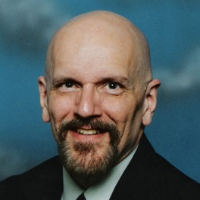
Prof. Craig Hutton
LCSW
Practical, respectful therapy focused on real life
- Stress, Anxiety
- Relationship
- Trauma and abuse

Alicia Redmond
LCSW
Calm, practical therapy for stress and trauma
- Stress, Anxiety
- Family
- Trauma and abuse

Kelly Farrell
LCSW
Practical support for stress and relationship change
- Stress, Anxiety
- Relationship
- Family

Carolyn Sultana
LCSW
Calm, practical therapy for everyday challenges
- Stress, Anxiety
- Relationship
- Trauma and abuse

Dr. Ricardo Gillispie, PhD, LCSW
Experienced social worker and clinician
- Stress, Anxiety
- Relationship
- Self esteem
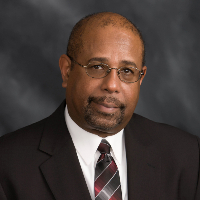
Faryal Choudry
LCSW
Practical support for stress and relationships
- Stress, Anxiety
- Addictions
- Relationship

Audretta Jamison
LCSW, CSW
Compassionate therapist focused on practical change
- Stress, Anxiety
- Relationship
- Trauma and abuse
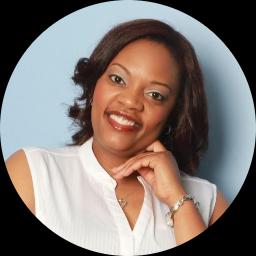
La Kevia Moore
LCSW
Practical, evidence-based support for stress and trauma
- Stress, Anxiety
- Trauma and abuse
- Self esteem

Aimee Campbell Culler
LCSW
Experienced LCSW providing steady support
- Stress, Anxiety
- Addictions
- Relationship

Dr. Kerene Brown
LICSW, LCSW, CSW
Practical, compassionate support for life transitions
- Stress, Anxiety
- Trauma and abuse
- Self esteem
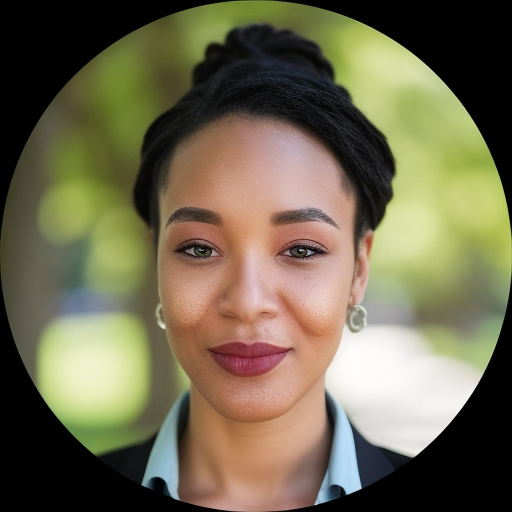
Remmawii (Karuna) Kristjanson
LCSW, CSW
Compassionate support for trauma and addiction recovery
- Addictions
- Relationship
- Trauma and abuse


Marilyn Medow
LCSW
Compassionate guidance grounded in decades of practice
- Stress, Anxiety
- Family
- Trauma and abuse

Natalie Talpesh
LCSW
Practical, relationship-focused mental health support
- Stress, Anxiety
- Relationship
- Self esteem

Deborah Zimmerman
LCSW
Practical, steady care from an experienced LCSW
- Addictions
- Trauma and abuse
- Grief

Shandrieka Vallare
LCSW
Practical support for stress and relationships
- Stress, Anxiety
- Relationship
- Depression

Dawn Adler
LCSW, LISW
Practical, strengths-focused therapy for everyday challenges
- Stress, Anxiety
- Relationship
- Trauma and abuse

Melinda Fowlks
LCSW
Compassionate therapist for emotional healing
- Stress, Anxiety
- Relationship
- Self esteem
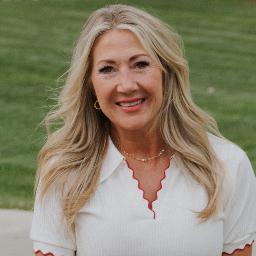
Matthew Mulock
LCSW
Practical, trauma-informed therapy for everyday challenges
- Stress, Anxiety
- Addictions
- Trauma and abuse

Debbie Chirikos
LCSW
Experienced LCSW offering steady, practical support
- Stress, Anxiety
- Family
- Parenting
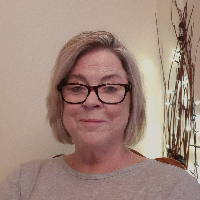
Angelica Rubio
LCSW
Compassionate, practical support for life transitions
- Stress, Anxiety
- Relationship
- Self esteem

Johnnie Terrell
LCSW, LISW-CP
Compassionate social worker focused on practical change
- Stress, Anxiety
- Relationship
- Trauma and abuse


DeKeisha Moore-Barrett
LCSW
Compassionate, practical support for everyday challenges
- Stress, Anxiety
- Intimacy-related issues
- Parenting
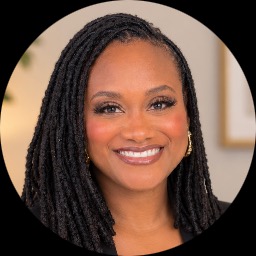
Lauren Moret-Glass
LSCSW, LCSW
Practical, respectful therapy for life changes
- Stress, Anxiety
- Relationship
- Trauma and abuse

Some links on this page are partner links. We will earn a commission if you sign up through one, at no cost to you. It does not change what you pay or the order of the listings.
Understanding divorce and how it commonly affects people
Divorce is the legal ending of a marriage and the practical unraveling of shared lives. It can be experienced as a combination of legal, financial, and emotional shifts that ripple through daily routines, parenting arrangements, housing, work, and social circles. Many people describe divorce as a nonlinear process - relief and grief can coexist, and what feels manageable one week may feel overwhelming the next. The experience also differs depending on whether separation was expected, contested, or accompanied by trauma or abuse.
When you work with a licensed clinical social worker, you are working with someone who has completed a graduate degree in social work, a state-set period of supervised post-graduate clinical experience commonly lasting two to three years and several thousand hours, and a clinical licensing examination. Licenses are issued and renewed by individual state boards, so the scope of practice and the exact title can vary by state. Social work training emphasizes a person-in-environment perspective: an LCSW looks at your internal experience in the context of housing, employment, finances, family and community relationships, and access to services. That viewpoint often means practical problems are addressed alongside emotion and meaning, which can be particularly helpful when decisions about custody, finances, or housing need attention as well as grief and identity.
Signs you might benefit from therapy during or after divorce
You might consider seeking support if daily functioning becomes difficult, if emotional pain is interfering with work or relationships, or if parenting responsibilities are strained by conflict. Intense anxiety about legal processes, ongoing ruminating about past events, difficulties sleeping, changes in appetite, and persistent low mood are common reasons people look for an LCSW. You may also seek help to rebuild routines, clarify values and goals after separation, or learn new ways to communicate with an ex-partner for co-parenting.
Other signs include feeling stuck in decision-making, repeating the same patterns in relationships, or noticing that stress is affecting your physical health. If you are preparing for negotiations, court appearances, or adjustments to your housing and finances, an LCSW can help you explore coping strategies and practical resources. Because social work integrates attention to environmental factors, an LCSW can help connect you to community supports, housing resources, or benefits counseling when those needs intersect with emotional recovery.
What to expect in sessions and common approaches used in divorce work
What happens in early sessions
Early meetings with an LCSW typically involve a thorough assessment of your current situation and pressing concerns. You can expect a conversation about the timeline of separation, legal and parenting arrangements, financial pressures, and immediate safety if there are concerns about harm. The clinician will normally ask about your mental health history, support network, and practical needs. Goal-setting is collaborative - you and the LCSW will identify short-term priorities, such as managing acute stress or stabilizing routines, and longer-term aims like rebuilding a sense of identity or improving co-parenting communication.
Common approaches used in divorce work
Therapeutic work for divorce often blends emotional processing, skills-building, and practical planning. Common approaches include cognitive-behavioral strategies to manage anxious or negative thinking, emotion-focused work to process grief and loss, and family-systems perspectives that explore how patterns of relating affect parenting and boundaries. Narrative approaches can help you reframe the story of the relationship and your role in future chapters. Trauma-informed care is frequently part of practice when there are histories of abuse or repeated loss, and mindfulness-based techniques may be used to manage stress and improve emotional regulation. On this site you will find therapists who list these approaches among their areas of practice; the presence of an approach on a profile reflects how a clinician describes their work rather than a licensing claim.
How online sessions work with an LCSW for divorce-related concerns
Online sessions offer a way to meet with an LCSW from a quiet setting of your choice, which can be useful during transitions when travel or schedules are challenging. Technology typically involves video conferencing or phone sessions, and some clinicians also use messaging for check-ins. Because licensing is handled by state boards, an LCSW’s ability to provide services across state lines varies. If you expect to move states, travel frequently, or need services tied to legal venues in a different state, ask about licensure and practice scope when reviewing profiles or contacting a clinician.
Online work for divorce often focuses on the same goals as in-person work - processing emotions, improving communication, and problem-solving practical matters - but it requires deliberate attention to boundaries and logistics. You will want a quiet, uninterrupted setting for sessions and a plan for what to do between meetings if intense emotions arise. Many clinicians who hold an LCSW are experienced in helping people connect with local resources and coordinate care with other professionals, while maintaining professional boundaries. Technology considerations include reliable internet and device privacy protections; clinicians are expected to follow applicable regulations about records and information handling, which can vary by state.
Choosing the right LCSW to help with divorce
When selecting an LCSW, think about the kinds of support you need and how a clinician’s focus areas align with those needs. Some LCSWs emphasize co-parenting communication, others list experience with grief and identity transitions, and some highlight work with high-conflict separation or trauma. Profiles on this site show the focus areas, approaches, credentials, languages, and experience clinicians list. Comparing those elements can help you identify clinicians whose descriptions match your priorities.
Language and cultural fit matter. If your family’s cultural background, religious values, or language needs are important to your healing, look for clinicians who note that experience. Consider whether you prefer a clinician who centers practical problem-solving as part of treatment, given the many logistical challenges divorce can create. Experience with family and systems-focused work can be particularly relevant when parenting and household structures are changing. Finally, think about session format - in-person or online - and whether a clinician lists experience with the kind of work you expect, such as navigating co-parenting plans or addressing relationship trauma. Use profiles to compare focus areas, approaches, credentials, languages, and professional experience as you explore options, and trust your sense of fit when you review how a clinician describes their practice.
Divorce is a major life transition that affects many domains of living. Working with an LCSW gives you access to clinical skills and a person-in-environment perspective that intentionally links emotions with practical realities. As you read profiles, focus on the kinds of support you need now and in the months ahead - emotional processing, parenting coordination, legal-era coping, or resource navigation - and look for clinicians whose descriptions align with those needs.