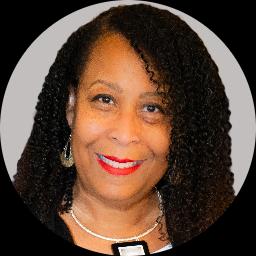
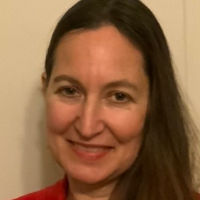
Maria Wilson
LCSW
Compassionate, practical therapy for stressed parents and adults
- Stress, Anxiety
- Relationship
- Family
Clinical social work directory
1,680 therapists list domestic violence among the things they work with. All offer sessions online, and every profile shows the registering body, the membership number and when it runs to.
This directory lists licensed clinical social workers (LCSWs) who work with people affected by domestic violence. Review therapist profiles below to explore each clinician's focus areas, approaches, languages, and experience.
LCSW
Compassionate, practical therapy for stressed parents and adults
LCSW
Compassionate social worker focused on practical change
LCSW
Calm, client-led therapy for lasting change
LCSW
Experienced LCSW supporting life changes
LCSW
Restorative, practical therapy for everyday challenges
LCSW
Practical, strengths-based help for life changes
LCSW
Practical, respectful therapy focused on real life
Experienced social worker and clinician
LCSW
Practical support for stress and relationships
LCSW
Practical, evidence-based support for stress and trauma
LCSW
Experienced LCSW providing steady support
LCSW
Practical, steady care from an experienced LCSW
LCSW
Compassionate, practical support for life challenges
LCSW, LISW
Practical, strengths-focused therapy for everyday challenges
LCSW
Hopeful, practical therapy for real-life struggles
LCSW
Experienced LCSW offering steady, practical support
LCSW
Compassionate, practical support for life transitions
LCSW, LISW-CP
Compassionate social worker focused on practical change
LSCSW, LCSW
Practical, respectful therapy for life changes
LCSW, LMSW
Supportive clinical social worker focused on practical change
LCSW
Calm, practical support for life’s hard moments
LCSW, LISW
Compassionate, practical support for life transitions
LSCSW, LCSW
Practical support for stress and life changes
LCSW
Experienced LCSW guiding practical change
LCSW
Compassionate, practical therapy focused on everyday life
LICSW, LCSW
Compassionate social worker who supports change
LCSW
Therapist focused on practical coping skills
LICSW, LCSW
Practical support for young adults' emotional growth
LCSW
Calm, experienced therapist focused on practical change
LCSW
Experienced Texas LCSW providing steady, practical support
LCSW
Compassionate social work with practical steps
LCSW
Practical support for stress and relationships
LCSW
Compassionate practical support for life’s hard moments
LCSW
Practical trauma recovery and addiction support
LCSW
Compassionate, practical therapy for everyday struggles
LCSW
Compassionate, practical support for life transitions
LCSW
Compassionate, practical therapy for life’s hard moments
LCSW
Compassionate therapy for life’s difficult moments
Some links on this page are partner links. We will earn a commission if you sign up through one, at no cost to you. It does not change what you pay or the order of the listings.
Domestic violence refers to a pattern of behaviors used by one person to maintain power and control over another within intimate relationships, family systems, or household settings. It can include physical harm, threats, emotional abuse, coercive control, financial manipulation, stalking, and sexual violence. The impact extends beyond immediate injuries - it can shape daily routines, housing stability, work performance, parenting, and social connections. You may notice changes in sleep, concentration, or appetite, and relationships with friends and family can become strained as the dynamics of control shift and secrecy grows.
An LCSW's training emphasizes a person-in-environment perspective, which means the clinician looks at your situation in context - housing, employment, caregiving responsibilities, immigration status, community resources, and legal systems all matter. That perspective can be important when domestic violence touches many parts of your life at once. Licensed clinical social workers are credentialed through state licensing boards after completing a master of social work degree, a period of supervised post-graduate clinical experience, and a clinical licensing examination. Because licensure is state based, scope of practice and specific titles can vary from state to state.
You might be considering professional support if you find yourself managing fear about your safety, feeling constantly on edge, or experiencing shame, confusion, or isolation related to relationship dynamics. Emotional symptoms such as depression, anxiety, panic attacks, or intrusive memories can follow abusive experiences. Practical concerns may also signal a need for help - you might be dealing with housing instability, financial control by a partner, child custody questions, or the aftermath of an incident that involved law enforcement or medical care. If these pressures interfere with your daily functioning, relationships, or ability to plan for the future, working with a licensed clinical social worker can provide both clinical and practical guidance.
An LCSW may be especially helpful if your situation involves multiple systems. For example, if you need assistance coordinating with shelters, public benefits, housing programs, schools, or legal advocates, a social worker's emphasis on systems and resources can make it easier to build a plan that addresses both emotional healing and real-world needs. You do not need to wait for a crisis to seek support; many people find it valuable to work with an LCSW while making safety plans, exploring options, or rebuilding after leaving a harmful relationship.
When you start sessions with an LCSW, the early appointments will often focus on establishing safety, building rapport, and mapping the various ways the domestic violence affects your life. You can expect a careful exploration of immediate risks and protective factors, practical needs such as housing or financial stability, and your emotional responses. The clinician will typically ask about relationships, support networks, medical and legal history, and any barriers you face in accessing care. That information helps shape an individualized plan that honors your priorities and circumstances.
Sessions can include a mix of emotional processing, skill-building, and coordination with community resources. You and the LCSW might work on coping strategies for managing fear or panic, communication skills for interactions that are safe to have, and problem-solving around practical barriers. If children are involved, the clinician can discuss parenting supports and ways to reduce exposure to conflict. Because social work training bridges clinical practice and resource navigation, expect an approach that treats emotional healing and practical problem-solving as connected tasks rather than separate ones.
Licensed clinical social workers use a range of clinical approaches in their work, and many list particular methods among their practice focuses. You will find clinicians who list trauma-focused approaches, cognitive and behavioral strategies, strengths-based work, and relational or family-oriented methods. When reviewing profiles, you will often see therapists who list trauma-informed care or trauma-focused interventions among their approaches, which signals attention to safety, pacing, and the effects of traumatic stress. Others may list cognitive-behavioral strategies that help you identify and shift harmful thinking patterns and coping strategies that no longer serve you.
Because each LCSW brings different professional experiences, some clinicians emphasize community resources, advocacy, and systems navigation alongside clinical work. That can include working with legal advocates, housing programs, or community organizations. When a therapist's profile lists an approach, it indicates a focus they offer rather than a guarantee of particular training or certification. If certain methods matter to you, look for profiles that mention those approaches and then explore further during initial conversations about fit and focus.
A defining feature of social work training is the person-in-environment perspective. That means your clinician will pay attention to how external conditions - neighborhood safety, employment, cultural pressures, access to services, and caregiving responsibilities - shape your experience of domestic violence. You can expect assessments and plans that consider these factors explicitly, rather than treating symptoms in isolation. This orientation is practical when domestic violence intersects with housing instability, immigration concerns, or employment issues that influence your choices and options.
Online sessions with an LCSW can be a useful way to access care when in-person visits are difficult due to transportation, childcare, or safety concerns. Many licensed clinical social workers offer remote appointments using video or telephone, and the structure of those sessions is similar to in-person work: an initial assessment, collaborative goal-setting, and ongoing clinical work. You should consider privacy in your own environment before a session and plan where you can speak without interruption or risk. If privacy at home is a challenge, an LCSW can help explore alternatives such as meeting from a parked car, a quiet room at work during a break, or scheduling calls for times when household members are elsewhere.
Technology can also shape the way you access resources. An LCSW may use supported communication platforms for messaging and scheduling, and they can assist in locating community supports that operate online or by phone. Because practice regulations and telehealth rules vary by state, the scope of online services may differ depending on where you and the clinician are licensed. When you review clinician profiles, note the listed service formats and any language about telehealth so you can identify therapists who mention remote sessions as part of their practice.
Choosing a therapist is a personal process. Start by looking for licensed clinical social workers who list domestic violence or intimate partner violence among their focus areas and who describe experience with the populations or situations that match your needs. Pay attention to languages spoken, experience with particular cultural communities, and mention of work with parenting, immigration, or legal issues if those are relevant to you. Look at the therapeutic approaches clinicians list to see if they align with how you prefer to work - for example, whether you want structured skills work, trauma processing, or a more supportive, relational approach.
Consider practical factors you want to discuss during an initial conversation, such as session length, communication preferences, and whether the clinician regularly coordinates with community agencies. A good first call or message is an opportunity to ask how the clinician thinks about safety planning, what steps they take to work alongside community advocates, and how they balance emotional work with assistance navigating systems. Trust your sense of fit - the right clinician is someone you feel listened to and understood by, and whose approach and background match the kinds of support you seek.
Working with an LCSW does not guarantee a single outcome, but it can connect you with clinical support that understands both the emotional and practical realities of domestic violence. Use the listings below to explore licensed clinical social workers who list domestic violence among their focus areas, read about their experience and languages, and identify clinicians whose profiles align with your needs and priorities.