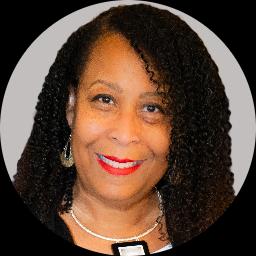
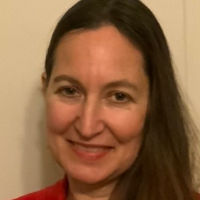
Maria Wilson
LCSW
Compassionate, practical therapy for stressed parents and adults
- Stress, Anxiety
- Relationship
- Family
Clinical social work directory
662 therapists list fertility issues among the things they work with. All offer sessions online, and every profile shows the registering body, the membership number and when it runs to.
Find profiles of licensed clinical social workers (LCSWs) who list fertility issues as a focus. Each profile highlights areas of emphasis, approaches, languages, and experience. Browse the listings below to explore clinicians who may align with your needs.
LCSW
Compassionate, practical therapy for stressed parents and adults
LCSW
Compassionate social worker focused on practical change
LCSW
Restorative, practical therapy for everyday challenges
LCSW
Practical, respectful therapy focused on real life
LCSW
Practical, evidence-based support for stress and trauma
LCSW
Practical, relationship-focused mental health support
LCSW
Compassionate, experienced support for family and life change
LSCSW, LCSW
Practical, respectful therapy for life changes
LCSW
Attachment-informed practical therapy for parents and adults
LCSW
Calm, practical support for life’s hard moments
LCSW
Calm, practical support for everyday stress
LCSW, LISW
Compassionate, practical support for life transitions
LICSW, LCSW
Compassionate social worker who supports change
LCSW
Therapist focused on practical coping skills
LCSW
Calm, experienced therapist focused on practical change
LCSW
Practical support for stress and relationships
LCSW
Experienced LCSW offering practical, steady support
LCSW
Helpful, steady therapy for life transitions
LCSW
Compassionate, practical support for life transitions
LCSW
Compassionate, practical therapy for life’s hard moments
LCSW
Compassionate practical support for stress and identity
LCSW
Compassionate, practical therapy for real-life challenges
LCSW
Practical, evidence-based support for life’s challenges
LCSW, CSW
Compassionate, practical therapy for stress and relationships
LCSW
Practical support for stress, relationships, and healing
LCSW
Compassionate practical support for daily struggles
LCSW, LISW
Practical support for stress and life changes
LCSW
Compassionate, practical therapy for life challenges
LCSW
Compassionate support for stress and trauma
LCSW, CSW
Direct, practical therapy for stress and relationships
LCSW
Stress and anxiety help with practical skills
LCSW
Compassionate, practical therapy for everyday struggles
LCSW
Calm, practical support for life’s hard moments
LCSW
Compassionate, direct support for real-life struggles
LCSW, CSW
Compassionate social worker focused on practical change
LCSW
Compassionate, practical help for life challenges
Some links on this page are partner links. We will earn a commission if you sign up through one, at no cost to you. It does not change what you pay or the order of the listings.
Fertility issues cover a wide range of medical and reproductive challenges that can affect your ability to conceive, to carry a pregnancy, or to build a family in the way you envision. These difficulties may stem from medical diagnoses, age-related changes, hormonal factors, genetic concerns, or conditions affecting reproductive anatomy. Fertility matters can also involve assisted reproductive technologies, donor gametes, surrogacy arrangements, and choices about adoption. Because the experience touches biological, social, emotional, and financial domains, it often brings together medical care, paperwork, family systems, and personal meaning.
Your response to fertility challenges is shaped by context - your relationships, work, cultural background, finances, and access to medical care. Social work training emphasizes a person-in-environment perspective, which means an LCSW will consider those external pressures alongside your inner experience. That perspective can be especially helpful when fertility stress is interacting with housing, employment, insurance, or caregiving responsibilities, or when cultural or religious expectations are part of the strain. You are not seen as a problem in isolation; your life circumstances are part of the picture therapists who hold an LCSW will attend to.
If you feel persistently overwhelmed, hopeless, or numb about reproductive decisions, therapy can offer a place to sort those feelings. You might notice persistent anxiety around appointments or procedures, sleep disruption, loss of interest in activities, or escalating conflict with a partner or family about choices. Grief is common - not only grief about pregnancy loss but also grief about disrupted plans, unexpected detours, or losses of identity and expectation. That grief can show up as sadness, irritability, or withdrawal.
You may also be struggling with practical decisions that feel big and irreversible, such as whether to pursue another treatment cycle, whether to use donor eggs or sperm, or how to discuss fertility with children or extended family. It is common to experience decision fatigue or avoidance when the stakes and costs feel high. Therapy can help you clarify values, manage the emotional roller coaster of medical timelines, and strengthen communication with partners or support people. If you notice that fertility stress is affecting your relationships, your job performance, or your daily functioning, that is an indication that professional support could be useful.
When you begin working with an LCSW, you can expect an assessment that considers both your emotional state and your life context. An LCSW will typically ask about your medical history, relationships, work, financial considerations, and support network because these factors shape how you cope. The early phase of therapy often involves identifying immediate stressors and deciding together on priorities - whether that is short-term coping, decision support, grief work, or longer-term relational repair.
Because social workers are trained to link individuals with resources, an LCSW may offer practical help in addition to talk therapy. That can include information about community supports, referrals to other professionals, guidance on navigating medical systems, and help clarifying insurance or employment options where relevant. The person-in-environment lens means practical barriers and social determinants of health are treated as part of the clinical plan, not separate from it.
Therapy sessions often alternate between validating emotional experience and developing concrete skills for coping. You might practice techniques for managing anxiety during treatment cycles, work through complex feelings after a loss, or learn communication strategies for difficult conversations with a partner or family member. If couples work is part of what you need, many LCSWs address relationship dynamics, role expectations, and mutual support while still attending to each partner's individual experience. The pace and focus are set collaboratively so you can address what matters most to you.
Therapists who list cognitive behavioral approaches among their methods often use them to target unhelpful thought patterns and reduce anxiety-driven behaviors. That can be useful when intrusive worries about outcomes or catastrophizing thoughts are making it difficult to function. Therapists who list mindfulness-based approaches emphasize present-moment coping and stress reduction techniques that can help you tolerate uncertainty inherent in fertility treatment timelines.
Some clinicians list grief-informed work or trauma-oriented approaches among their approaches, and they apply those frameworks when loss or past medical trauma interferes with your current well-being. When relationships are under strain, therapists who list couples or family approaches help navigate decision-making, roles, and expectations so partners can support one another while honoring differences. Narrative-oriented clinicians may help you examine and reframe personal stories about identity, parenthood, and hope, which can shift the meaning you attach to this chapter of life.
It is important to note that the directory data records only what a clinician lists as an approach. Listing an approach does not speak to a specific certification or outcome. When you review profiles, you can learn which approaches a therapist lists and think about whether that language aligns with the kind of help you want. Some people prefer structured skills practice, while others want space for exploratory processing; matching your preference to the approaches listed can guide your choice.
Online sessions typically occur via video or phone and can allow you to connect from home, a work break, or another comfortable environment. For many people managing frequent medical appointments, travel, or childcare, remote sessions reduce logistical burden and make it easier to maintain continuity with a clinician across treatment cycles. Online work can accommodate partners who live apart or who want to join a portion of a session. Your therapist can discuss the best ways to use remote sessions for your goals, including shorter check-ins during intensive medical periods or regular sessions for ongoing support.
Licensing matters for online work because LCSW licensure is issued state by state. This means a therapist holds a license in a particular state board jurisdiction and scope of practice and title can vary across states. If geography or licensure is a concern, consider where a therapist is licensed and whether that aligns with your circumstances. The directory makes it possible to compare this information across profiles so you can find clinicians whose licensure and practice settings match your needs.
Start by clarifying what you most need help with - emotional regulation, grief, decision support, relationship work, or practical navigation. Then review profiles for therapists who list fertility issues as a focus and note the approaches they describe, languages they speak, years of experience, and any population emphases such as perinatal care, LGBTQ+ family building, or multicultural counseling. Look for an LCSW who articulates attention to both emotional and environmental factors, since fertility challenges are often shaped by systems beyond the individual.
Consider the fit between your communication style and the therapist's stated orientation. Some clinicians describe a skills-based, structured approach, while others emphasize reflective, exploratory work. If you are balancing medical care with therapy, inquire about how the therapist coordinates with medical teams or other professionals and whether they have experience helping clients navigate insurance, work leave, or legal aspects of donor or surrogacy arrangements. Choosing a therapist is as much about practical alignment as it is about style, and taking time to read profiles can help you identify potential matches.
This directory lists licensed clinical social workers who have indicated fertility issues among their areas of focus, with profile details you can use to compare experience, approaches, languages, and professional credentials. Use the listings below to learn more about individual clinicians and to gather questions you might bring to an initial conversation. A thoughtful match can give you a partner who understands both the emotional complexity and the life-level logistics of fertility work, helping you move forward with more clarity and practical support.
Remember that therapy with an LCSW is an open collaboration - you set priorities and adjust the plan as your situation changes. Whether you are seeking short-term coping strategies for a medical cycle or longer-term support through decision-making and grief, a clinician who holds an LCSW may integrate emotional care with attention to your life circumstances so you do not have to manage this challenge alone.