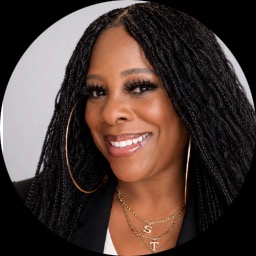
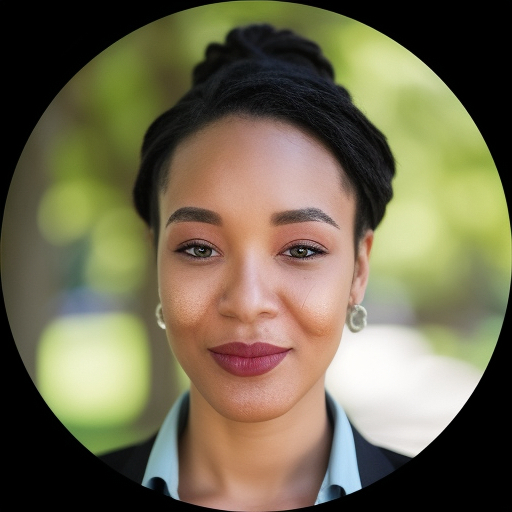
Tinita Samuels
LCSW
Compassionate, practical support for emotional challenges
- Stress, Anxiety
- Grief
- Anger
Clinical social work directory
4,087 therapists list forgiveness among the things they work with. All offer sessions online, and every profile shows the registering body, the membership number and when it runs to.
This directory page lists licensed clinical social workers (LCSWs) who identify forgiveness as a focus area. Browse the therapist profiles below to review approaches, languages, and experience to find a good match for your needs.
LCSW
Compassionate, practical support for emotional challenges
LCSW
Compassionate, practical therapy for stressed parents and adults
LICSW, LCSW
Calm, steady support for life’s hard changes
LCSW
Practical, values-driven therapy for life challenges
LCSW
Compassionate, practical support for life transitions
LCSW
Compassionate support for addiction and trauma recovery
LCSW
Calm, practical support for everyday mental health
LCSW
Compassionate social worker focused on practical change
LCSW
Compassionate guidance for relationship and self issues
LCSW
Experienced LCSW supporting life changes
LCSW
Compassionate therapist helping people build stronger coping skills
LCSW
Restorative, practical therapy for everyday challenges
LCSW
Compassionate, practical support for life challenges
LCSW
Practical, strengths-based help for life changes
LCSW
Forward-focused therapist for practical change
LCSW
Practical, values-focused therapy for life problems
LCSW
Compassionate, strengths-based therapy for life transitions
LCSW
Compassionate, practical support for personal growth
LCSW
Compassionate LCSW for practical coping skills
LCSW
Compassionate social worker focused on real-life change
LCSW
Practical support for stress and relationship strain
LCSW
Practical, respectful therapy focused on real life
LCSW
Practical, grounded support for life's hard seasons
LCSW
Calm, practical therapy for everyday challenges
Experienced social worker and clinician
LCSW
Practical support for stress and relationships
LCSW
Practical, evidence-based support for stress and trauma
LCSW
Calm, practical support for everyday struggles
LCSW
Compassionate, practical therapy for everyday struggles
LCSW
Experienced LCSW providing steady support
LICSW, LCSW, CSW
Practical, compassionate support for life transitions
LCSW, CSW
Compassionate support for trauma and addiction recovery
LCSW
Compassionate guidance grounded in decades of practice
LCSW
Practical, relationship-focused mental health support
LCSW
Practical, steady care from an experienced LCSW
LCSW
Calm support for stress and life changes
LCSW
Compassionate, practical support for life challenges
LCSW
Calm, practical therapy focused on values and skills
Some links on this page are partner links. We will earn a commission if you sign up through one, at no cost to you. It does not change what you pay or the order of the listings.
Forgiveness often gets described as letting go of resentment, but it is rarely a single action. For many people forgiveness is a process that can involve changing how you relate to a memory, adjusting expectations about a relationship, or deciding how to move forward while preserving healthy boundaries. The emotional landscape that surrounds forgiveness can include relief, grief, anger, confusion, and even relief mixed with sadness. Because it touches both what happened to you and how your life continues, the experience of forgiveness influences your emotions, your relationships, and the choices you make in everyday life.
When you are considering forgiveness work, it may be helpful to remember that the aim is not to erase harm or to force reconciliation unless that is truly what you want. Forgiveness can be about reclaiming your sense of agency, reducing the emotional burden you carry, and clarifying what a healthy next step looks like. An LCSW brings a person-in-environment perspective, which means they look at the event that led to hurt alongside your housing, work, family, financial situation, and community supports. That broader view can help you see forgiveness as part of a larger life context rather than an isolated problem to solve.
You might consider working with an LCSW around forgiveness if you notice that unresolved hurt is shaping your day-to-day functioning. Persistent rumination about an event, regular flashbacks to what happened, difficulty trusting others, or a steady sense of anger that makes relationships or work harder are common signals. Sometimes the impact is less dramatic and shows up as low mood, a sense of carrying weight that you cannot name, or repeated patterns with partners or family members that echo earlier harm.
People often seek help when they want to move toward forgiveness but feel stuck or pressured to forgive too quickly. You may wonder whether forgiveness means condoning behavior or losing a boundary. An LCSW can help you untangle those questions while attending to practical realities like co-parenting, finances, or housing. Because LCSWs are licensed for clinical practice, they have completed graduate training, a state-set period of supervised post-graduate clinical experience, and a clinical licensing exam administered by a state board. That credential signals readiness to engage with complex emotional and social factors that influence forgiveness.
When you begin sessions with an LCSW about forgiveness, expect a process that starts with clarifying your goals and understanding the context of the harm. Early sessions tend to focus on your story, what the hurt looks like now, and how it affects daily life. An LCSW will typically ask about surrounding circumstances - family relationships, work stress, resource access, and other environmental factors - because these influence how you cope and what options are realistic for repair or separation.
Over time, sessions may move toward exploring emotions connected to the event, identifying patterns that keep you stuck, and experimenting with new ways of responding. That might include learning strategies to tolerate strong emotions, practicing communication skills if reconciliation is on the table, or designing boundaries that protect your well-being. Therapy for forgiveness is often paced to match your readiness; some people want to work on emotional processing first while others prefer practical problem solving about living arrangements or co-parenting. An LCSW can blend clinical support with attention to real-world constraints so the work you do in sessions translates into changes outside of therapy.
An LCSW will typically emphasize collaboration and respect for your decisions. The relationship is a space to test new perspectives, rehearse conversations, and notice what shifts when you alter a pattern. Because social work education focuses on both individual experience and environmental factors, sessions often include discussion of supports and obstacles in your community life. This might mean connecting therapy goals to resources like housing assistance, workplace advocacy, or family systems interventions when relevant. The therapeutic relationship is a practical arena where you can practice new ways of being while keeping a clear view of your social context.
Therapists who hold an LCSW may list a range of approaches that they use to address forgiveness, and what you encounter in a profile will often describe a blend of techniques and orientations. Emotion-focused work can help you identify and process strong feelings about the harm. Cognitive methods often examine the beliefs that keep you stuck - for example, rigid ideas about blame or self-blame - and gently test alternative narratives. Narrative-style approaches invite you to retell the story of what happened and explore how different interpretations change the meaning you assign to the event.
Some therapists emphasize mindfulness and compassion-based practices to develop emotional regulation and self-kindness, which can be especially helpful when guilt or shame blocks forward movement. Others describe trauma-informed care and attention to how overwhelming experiences have affected your nervous system and capacity to trust. When a therapist lists specific methods like EMDR, narrative therapy, or compassion-focused techniques among their approaches, remember that the listing indicates interest or use rather than an assurance of a formal certification. It is reasonable to read profiles for the types of tools a therapist mentions and to ask about how they integrate those tools into forgiveness work.
Online sessions with an LCSW offer flexibility in scheduling and location while still centering the same clinical principles as in-person care. When you choose online sessions, you may find it easier to access professionals who specialize in forgiveness even if they are not nearby geographically. Platforms and telehealth technology enable video, phone, or text-based formats, and an LCSW will guide you on the format that best supports your goals. Expect the first few sessions to include an intake conversation about your history, current stressors, and practical needs like how you will manage privacy during remote meetings.
Working online does not change the clinical focus on your life context. An LCSW will still ask about housing, work, family responsibilities, and community ties because these factors shape the possibilities for repair or separation. If you are managing strong emotions during or after online sessions, an LCSW will collaborate with you to create safety and grounding strategies that fit your setting. For some people, doing forgiveness work from home feels more accessible; for others, an outside space feels easier. You can discuss those preferences when reviewing profiles and contacting a therapist.
When you look through profiles, pay attention to how therapists describe their focus areas, approaches, languages spoken, and experience with related issues like trauma, family dynamics, or grief. An LCSW’s listing often includes notes about populations they work with and the life circumstances they commonly address. Because the license is issued and renewed by a state board, scope of practice and title vary by state, so it is useful to note the therapist's licensure state and any information they provide about their practice focus. If you need help that connects to housing, legal concerns, or community resources, an LCSW’s person-in-environment orientation can be particularly relevant.
Consider also how a therapist frames forgiveness in their profile. Some describe forgiveness as an internal process, others as something that may involve external steps like boundary setting or restorative conversations. Look for language that matches your priorities - whether you aim to process emotion, navigate a difficult relationship, or work on practical arrangements. Finally, think about logistics you value, like session format, languages offered, and the way the therapist talks about collaboration. Those details can help you identify an LCSW whose style and focus are compatible with the kind of forgiveness work you want to do.
Forgiveness is often a nuanced, non-linear journey. Working with a licensed clinical social worker can give you clinical support that explicitly considers your wider life circumstances, helping you pursue healing in a way that fits your reality. Use the profiles below to examine approaches, experience, and communication style so you can find a professional who aligns with your goals.