Clinical social work directory
Therapists who work with Immigration Issues
554 therapists list immigration issues among the things they work with. All offer sessions online, and every profile shows the registering body, the membership number and when it runs to.
This page lists licensed clinical social workers (LCSWs) who work with immigration issues, including asylum-related stress, family separation, detention impacts, and acculturation challenges. Browse the profiles below to explore LCSWs whose focus areas, languages, and experience align with what you need.

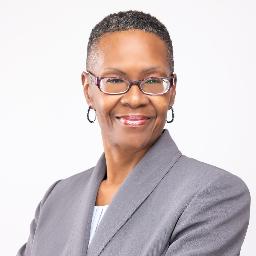
Lynnette Thomas
LCSW
Compassionate social worker focused on practical change
- Stress, Anxiety
- Relationship
- Trauma and abuse
Daniel Norvell
LCSW
Compassionate, practical support for personal growth
- Stress, Anxiety
- Addictions
- LGBT

Prof. Craig Hutton
LCSW
Practical, respectful therapy focused on real life
- Stress, Anxiety
- Relationship
- Trauma and abuse

Faryal Choudry
LCSW
Practical support for stress and relationships
- Stress, Anxiety
- Addictions
- Relationship

Dr. Kerene Brown
LICSW, LCSW, CSW
Practical, compassionate support for life transitions
- Stress, Anxiety
- Trauma and abuse
- Self esteem
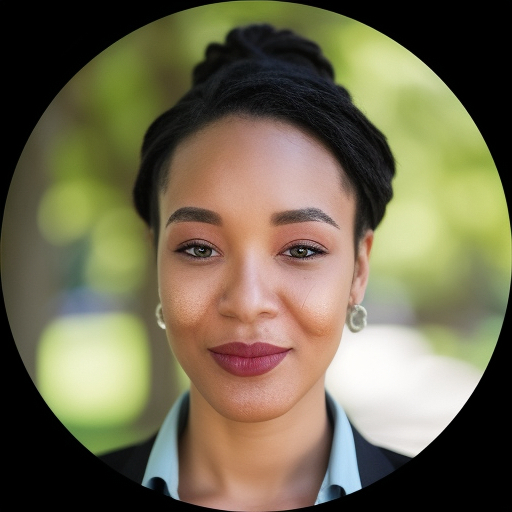

Dawn Adler
LCSW, LISW
Practical, strengths-focused therapy for everyday challenges
- Stress, Anxiety
- Relationship
- Trauma and abuse

Abiola Olagbami
LCSW
Compassionate, practical support for life changes
- Stress, Anxiety
- Grief
- Self esteem

Angelica Rubio
LCSW
Compassionate, practical support for life transitions
- Stress, Anxiety
- Relationship
- Self esteem


Kenneth Denny
LCSW, CSW
Experienced LCSW focused on practical change
- Stress, Anxiety
- Relationship
- Family
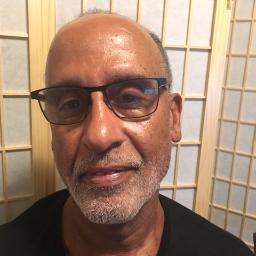
Vilma Ramirez
LCSW
Bilingual LCSW focused on practical coping skills
- Stress, Anxiety
- Relationship
- Family

Joel Brooks
LCSW
Calm, experienced therapist focused on practical change
- Stress, Anxiety
- Addictions
- Relationship


Alona Perlin
LCSW
Compassionate, practical therapy for everyday struggles
- Stress, Anxiety
- Relationship
- Trauma and abuse


Kimberly Sylla
LCSW
Compassionate, practical therapy for life’s hard moments
- Stress, Anxiety
- Addictions
- LGBT

Robin Burns
LCSW
Compassionate therapy for life’s difficult moments
- Stress, Anxiety
- Relationship
- Trauma and abuse


Victoria Echeverry Navia
LCSW
Calm, practical support for life transitions
- Stress, Anxiety
- Relationship
- Family

Gilberto Bustamante-Ramirez
LCSW
Compassionate, practical support for life changes
- Stress, Anxiety
- Relationship
- Parenting


Nicole Porter
LCSW, CSW
Practical support for stress, relationships, and life change
- Stress, Anxiety
- Relationship
- Family


Rachel Webster
LCSW
Practical support for stress and life changes
- Stress, Anxiety
- Family
- Trauma and abuse

Raven Bowie
LCSW
Calm, practical help for stress and family strain
- Stress, Anxiety
- Family
- Trauma and abuse

Michael Brennan
LCSW
Grounded relational therapy for life changes
- Stress, Anxiety
- Addictions
- Relationship

Erika Sosa
LCSW
Compassionate bilingual therapy for trauma and relationship healing
- Stress, Anxiety
- LGBT
- Relationship

Angella Bramwell
LCSW, CSW
Calm, practical therapy for life's hard moments
- Stress, Anxiety
- Family
- Trauma and abuse

Darlene Kelly
LCSW
Compassionate, practical therapy for life challenges
- LGBT
- Trauma and abuse
- Parenting

Betina Bolin
LCSW
Practical, client-centered support for life stressors
- Stress, Anxiety
- Trauma and abuse
- Self esteem


Airy Mae Stocker
LCSW
Compassionate support for stress and trauma
- Stress, Anxiety
- Trauma and abuse
- Grief

Marianne Costales-Roman
LCSW
Compassionate, practical therapy for life transitions
- Stress, Anxiety
- LGBT
- Parenting

George Tilley
LCSW
Experienced LCSW helping people through life changes
- Stress, Anxiety
- Relationship
- Grief

Eugenia Lindsey
LCSW
Experienced LCSW helping people through trauma and change
- Trauma and abuse
- Grief
- Parenting

Na-Amau Tahiru
LCSW, CSW
Understanding, practical, strengths-based care
- Stress, Anxiety
- Relationship
- Family


Mariana Mackinnon
LCSW
Practical, culturally aware therapy for transition and stress
- Stress, Anxiety
- Relationship
- Depression



Heather Friend
LCSW, CSW
Compassionate social worker focused on practical change
- Stress, Anxiety
- Relationship
- Trauma and abuse

David Porter
LCSW
Compassionate therapy for life and relationships
- Stress, Anxiety
- Addictions
- Trauma and abuse

Dr. Paula Alvarez
LCSW
Compassionate, experienced LCSW for practical change
- Stress, Anxiety
- Trauma and abuse
- Anger

Some links on this page are partner links. We will earn a commission if you sign up through one, at no cost to you. It does not change what you pay or the order of the listings.
What "immigration issues" covers and how it commonly affects people
Immigration issues can include a wide range of experiences that affect daily life - applying for visas, navigating asylum or deportation processes, coping with detention or release, adjusting after resettlement, family separation, documentation stress, and the ongoing challenge of adapting to a new culture. These circumstances do not sit apart from other areas of your life. They touch your housing, work, family relationships, finances, community connections, and access to health care. The licensed clinical social workers (LCSWs) listed here are clinicians who hold a master of social work, completed a state-set period of supervised post-graduate clinical experience commonly around two to three years and several thousand hours, and passed a clinical licensing exam. Their state boards issue and renew the license, and scope of practice can vary by state.
What distinguishes many LCSWs is a person-in-environment perspective - they look at your internal experience alongside the social and practical forces shaping your situation. That perspective can be helpful when immigration-related stress is tied to job instability, housing insecurity, or family separation. When you seek support for immigration-related concerns, an LCSW can help you explore both emotional responses and practical steps, and can often connect you with community resources or legal advocates when those partnerships are appropriate.
Signs you might benefit from therapy for immigration issues
If you are dealing with immigration-related challenges, you may notice changes in how you feel, think, or act. You might find yourself more anxious or on edge when thinking about interviews, court dates, or the possibility of separation from loved ones. Sleep may become fragmented, and intrusive memories or vivid, repetitive thoughts about traumatic events can occur. You may withdraw from friends or family, avoid talking about your immigration history, or feel a sense of numbness.
Other signs include difficulty concentrating at work or school, frequent worry about finances or housing, strained relationships as roles shift in your household, or an increase in substance use as a way to cope. You may also notice physical symptoms such as headaches, stomach problems, or changes in appetite that seem tied to stress. If you are a family member supporting someone through immigration steps, you may feel overwhelmed, helpless, or uncertain how to help. Any of these experiences can be a valid reason to look for a therapist who understands immigration issues and the broader social context that affects your life.
What to expect in therapy sessions with an LCSW for immigration issues
When you begin therapy with an LCSW for immigration concerns, the early sessions typically include assessment of your immediate needs and the social factors affecting you. Your clinician may ask about your current living situation, employment, family roles, legal processes, and access to community supports, along with your emotional and mental health history. This blend of clinical and practical inquiry reflects the person-in-environment approach - understanding the full context allows your LCSW to shape goals that matter to you.
Therapy sessions often balance emotional processing with concrete problem solving. You may explore feelings related to loss, identity, trauma, or fear, while also developing plans for managing stress around appointments, documentation, or family communication. Many LCSWs coordinate with community organizations, schools, or legal advocates to support practical needs, while maintaining the therapeutic focus on your wellbeing. Expect a collaborative process where you and the clinician set priorities together, adjust goals over time, and discuss coping strategies that fit your cultural background and daily life.
Common therapeutic approaches you may encounter
LCSWs bring a variety of clinical approaches to immigration-related work, and on this site you will find therapists who list different methods among their approaches. Cognitive behavioral methods are often used to address anxiety and worry by helping you identify and reframe unhelpful thoughts and build concrete coping skills. Trauma-informed frameworks aim to create a sense of safety and to address the impact of traumatic events on memory, mood, and relationships. Narrative-oriented work can help you explore and reframe the personal story of migration, loss, or identity change.
Family systems perspectives are useful when migration has altered household roles or when multiple family members are affected by separation and reunification. Grief-focused approaches attend to losses that come with migration - loss of home, community, or previous identity. You may also find therapists who list approaches such as mindfulness-based strategies, skills-based stabilization, or specific trauma-processing methods among their approaches. The listing of an approach does not by itself describe the depth of training; it signals the types of work a therapist says they use when supporting clients with immigration concerns.
How online therapy works for immigration issues and tips for choosing the right LCSW
Many people find remote sessions by video or phone helpful because they remove travel barriers and can match you with an LCSW who shares your language or cultural background even if you live far from their office. When you consider online options, keep in mind that licensure is state-based - therapists are licensed by individual state boards and laws about cross-state practice can vary. Ask about the clinician's experience working with immigration-related concerns, how they approach coordination with legal or community resources, and whether they provide services in your preferred language.
When choosing an LCSW for immigration issues, look for clinicians who emphasize a person-in-environment perspective and who list experience or focus areas that resonate with your situation, such as asylum work, family reunification, detention-related trauma, or acculturation support. Consider whether you prefer a clinician who emphasizes emotional processing, practical supports, or a combination of both. Pay attention to listed languages, cultural competence, and the ways the therapist describes collaboration with legal advocates, schools, employers, or community agencies. You may also want to explore how the therapist explains goals, session structure, and follow-up resources so you know what a typical course of work might look like.
Finding the right match can take time, and it is reasonable to prioritize a clinician who listens to your story, respects your cultural background, and helps you balance emotional care with practical problem solving. An LCSW who holds a license in a state board jurisdiction can bring clinical skills and social work knowledge to help you navigate both the personal and social challenges tied to immigration. Use the profiles below to compare focus areas, therapeutic approaches they list, languages spoken, and relevant experience so you can identify LCSWs who align with the kind of support you want.