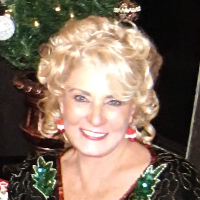
Tinita Samuels
LCSW
Compassionate, practical support for emotional challenges
- Stress, Anxiety
- Grief
- Anger
Clinical social work directory
2,828 therapists list panic disorder and panic attacks among the things they work with. All offer sessions online, and every profile shows the registering body, the membership number and when it runs to.
On this page you will find profiles of licensed clinical social workers (LCSWs) who list panic disorder and panic attacks among their focus areas. Browse the listings below to read about each clinician's experience, therapeutic approaches, languages, and state licensure.
LCSW
Compassionate, practical support for emotional challenges
LCSW
Compassionate, practical therapy for stressed parents and adults
LCSW
Compassionate support for stress and sexual concerns
LICSW, LCSW
Calm, steady support for life’s hard changes
LCSW
Compassionate social worker focused on practical change
LCSW
Experienced LCSW supporting life changes
LCSW
Person-centered care with practical tools
LCSW
Compassionate practical support for everyday challenges
LCSW
Compassionate therapist helping people build stronger coping skills
LCSW
Restorative, practical therapy for everyday challenges
LCSW
Compassionate, practical support for life challenges
LCSW
Practical, strengths-based help for life changes
LCSW
Forward-focused therapist for practical change
LCSW
Practical, values-focused therapy for life problems
LCSW
Practical support for stress and relationship strain
LCSW
Practical, respectful therapy focused on real life
LCSW
Calm, practical therapy for everyday challenges
Experienced social worker and clinician
LCSW
Practical support for stress and relationships
LCSW
Practical, evidence-based support for stress and trauma
LCSW
Calm, practical support for everyday struggles
LCSW
Compassionate, practical therapy for everyday struggles
LCSW
Experienced LCSW providing steady support
LICSW, LCSW, CSW
Practical, compassionate support for life transitions
LCSW
Compassionate guidance grounded in decades of practice
LCSW
Practical, relationship-focused mental health support
LCSW
Practical, steady care from an experienced LCSW
LCSW
Compassionate, practical support for life challenges
LCSW
Practical support for stress and relationships
LCSW
Compassionate LCSW focused on practical coping strategies
LCSW
Practical, trauma-informed therapy for everyday challenges
LCSW
Compassionate, practical support for life transitions
LCSW, LISW-CP
Compassionate social worker focused on practical change
LSCSW, LCSW
Practical, respectful therapy for life changes
LCSW
Practical, steady support for stress and relationships
LCSW
Compassionate, practical care for mood and life changes
LCSW
Compassionate, practical support for life's hard moments
Some links on this page are partner links. We will earn a commission if you sign up through one, at no cost to you. It does not change what you pay or the order of the listings.
Panic attacks are sudden surges of intense fear or discomfort that often peak within minutes and include strong physical sensations such as a racing heart, shortness of breath, dizziness, or trembling. When these attacks recur or when you worry persistently about having more attacks and change your behavior to avoid them, clinicians may diagnose panic disorder. Your day-to-day life can feel narrowed by the unpredictability of attacks, and you may find yourself steering away from places, people, or situations that once felt safe. Panic can affect sleep, work, relationships, and your sense of control over stress.
Working with an LCSW can be particularly relevant because social work training attends to both internal experience and the surrounding circumstances that shape it. A licensed clinical social worker holds a master’s degree in social work, completed a state-set period of supervised post-graduate clinical experience, and passed a clinical licensing examination administered by a state board. Because scope of practice and licensing details vary by state, an LCSW combines clinical skill with a perspective that considers housing, employment, family dynamics, finances, and community context when helping you address panic symptoms.
You might consider seeking help if panic attacks are frequent, if fear of future attacks leads you to avoid errands, social situations, or work responsibilities, or if the physical symptoms of panic cause repeated visits to urgent care or emergency rooms. If you find yourself overly preoccupied with bodily sensations, catastrophic thoughts, or persistent worry about losing control, these experiences can be indicators that focused clinical support could help you manage symptoms and restore activities you value. Panic symptoms often coexist with other concerns such as generalized anxiety, depression, or traumatic stress, and those overlapping issues can make it harder to find a clear path forward on your own.
An LCSW’s person-in-environment perspective means your clinician is likely to explore how stressors outside your internal experience - such as unstable housing, job strain, caregiving burdens, or lack of access to medical care - may interact with panic. That practical orientation can lead to interventions that address immediate coping skills and broader life circumstances that maintain or worsen anxiety. When you look at clinician profiles here, you will see licensure, professional experience, languages spoken, and the kinds of settings in which each LCSW practices. Those details can help you find someone whose background aligns with the context of your life.
In early sessions you and an LCSW will typically focus on assessment and creating a shared understanding of how panic shows up for you. That might include a detailed history of panic attacks, patterns of avoidance, any medical concerns that could mimic panic symptoms, and the social or environmental stressors that contribute to your experience. You and your LCSW will set collaborative goals, which could range from reducing the intensity of panic episodes to reclaiming activities you have been avoiding.
Sessions often combine education about the body’s alarm response with practical skill-building. You can expect to learn breathing and grounding strategies that help when symptoms are intense, and to practice cognitive tools that address catastrophic thinking. Many clinicians encourage in-session experiments and real-world practice between meetings so you can build confidence in using new skills. Because LCSWs take a person-in-environment approach, they may also address relationship patterns, work or housing stress, or community resources that influence your symptoms. If coordination with a primary care provider or psychiatrist is relevant, an LCSW can help you think through that conversation and provide documentation if needed for collaborative care.
There are several evidence-informed approaches that clinicians often use with panic disorder, and on this site you will find LCSWs who list a range of methods among their approaches. You may encounter therapists who list cognitive-behavioral approaches among their approaches, which focus on identifying and shifting unhelpful thought patterns and gradually confronting feared sensations and situations. Some LCSWs list exposure-based work among their approaches, which centers on gentle, controlled practice with avoided situations or bodily cues so that fear decreases over time.
Other clinicians list mindfulness or acceptance-based approaches among their approaches, which emphasize changing your relationship to anxious thoughts and bodily sensations rather than eliminating them entirely. A number of LCSWs list psychodynamic approaches among their approaches, which may explore how past experiences and interpersonal patterns influence current panic. You may also see clinicians who list trauma-informed or somatic approaches among their approaches; when those terms appear they indicate that the clinician attends to bodily experience and trauma histories as part of understanding panic. Because this directory records the approaches therapists list rather than formal certifications, reading how an LCSW describes their work can help you understand their orientation without assuming specific training credentials.
Online sessions with an LCSW operate much like in-person meetings in terms of structure and clinical content, but they use video, phone, or messaging platforms to connect. For many people the convenience of meeting from home reduces logistical barriers, particularly if panic makes leaving the house difficult. When you pursue online care, discuss how the clinician handles emergency planning and coordination with local resources, since therapists may not be licensed in the same state where you live. You can also ask how they address technology, privacy regulations, and documentation so you feel comfortable with the practical details of remote care.
When you review profiles here, focus on the concrete details that matter most to you. Look at whether an LCSW lists panic disorder, panic attacks, or related concerns among their focus areas and whether they describe experience with agoraphobia, health anxiety, or trauma if those apply to your situation. Compare focus areas, approaches, credentials, languages, and years of clinical experience to see who seems aligned with your needs. Consider whether you prefer a clinician who emphasizes skills-based work, one who highlights a relational or psychodynamic focus, or one who names a combination of approaches.
It is also reasonable to look for cultural, linguistic, or demographic considerations that feel important to you. An LCSW’s background in community resources, case management, or systems-level advocacy can be especially helpful if social or environmental factors play a large role in your panic. Prepare a few questions you can use in an initial conversation, such as how the clinician typically structures sessions for panic, how they support skill practice between sessions, and how they work with other medical professionals when medication or medical evaluation is part of care. These questions can help you get a clearer sense of fit without relying on assumptions about training labels or certifications.
Panic can be a disorienting experience, but thoughtful clinical support from a licensed clinical social worker can give you tools to manage symptoms and address the life circumstances that shape them. Use the listings on this page to explore LCSWs who describe experience with panic disorder and panic attacks, and focus on the practical fit between their stated approaches, languages, and professional background and the support you are seeking.