Clinical social work directory
Therapists who work with Sexuality
1,368 therapists list sexuality among the things they work with. All offer sessions online, and every profile shows the registering body, the membership number and when it runs to.
This page lists licensed clinical social workers (LCSWs) who include sexuality as a focus area. Browse the listings below to compare focus areas, approaches they list, languages, and experience as you begin your search.

Donna Rippelmeyer
LCSW
Compassionate support for stress and sexual concerns
- Stress, Anxiety
- LGBT
- Trauma and abuse

Stephen Weiss
LICSW, LCSW
Calm, steady support for life’s hard changes
- Stress, Anxiety
- Addictions
- Relationship

Ersha Mitchell
LCSW
Practical, values-driven therapy for life challenges
- Stress, Anxiety
- LGBT
- Trauma and abuse

Earl Driscoll
LCSW
Compassionate support for addiction and trauma recovery
- Addictions
- LGBT
- Self esteem

LaTisha Honor
LCSW
Compassionate guidance for relationship and self issues
- Relationship
- Trauma and abuse
- Intimacy-related issues


David Powell
LCSW
Restorative, practical therapy for everyday challenges
- Stress, Anxiety
- Relationship
- Intimacy-related issues

Chase Carter
LCSW
Practical, values-focused therapy for life problems
- Addictions
- Relationship
- Trauma and abuse

Daniel Norvell
LCSW
Compassionate, practical support for personal growth
- Stress, Anxiety
- Addictions
- LGBT

Prof. Craig Hutton
LCSW
Practical, respectful therapy focused on real life
- Stress, Anxiety
- Relationship
- Trauma and abuse

Dr. Ricardo Gillispie, PhD, LCSW
Experienced social worker and clinician
- Stress, Anxiety
- Relationship
- Self esteem
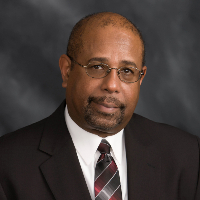
La Kevia Moore
LCSW
Practical, evidence-based support for stress and trauma
- Stress, Anxiety
- Trauma and abuse
- Self esteem

Dr. Kerene Brown
LICSW, LCSW, CSW
Practical, compassionate support for life transitions
- Stress, Anxiety
- Trauma and abuse
- Self esteem
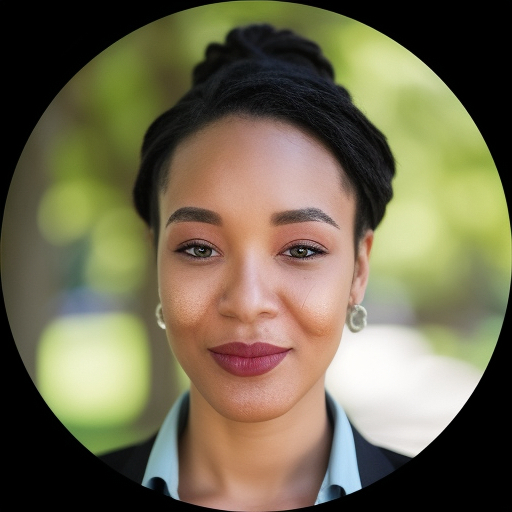
Remmawii (Karuna) Kristjanson
LCSW, CSW
Compassionate support for trauma and addiction recovery
- Addictions
- Relationship
- Trauma and abuse

Marilyn Medow
LCSW
Compassionate guidance grounded in decades of practice
- Stress, Anxiety
- Family
- Trauma and abuse

Deborah Zimmerman
LCSW
Practical, steady care from an experienced LCSW
- Addictions
- Trauma and abuse
- Grief

Dawn Adler
LCSW, LISW
Practical, strengths-focused therapy for everyday challenges
- Stress, Anxiety
- Relationship
- Trauma and abuse


Matthew Mulock
LCSW
Practical, trauma-informed therapy for everyday challenges
- Stress, Anxiety
- Addictions
- Trauma and abuse



Mary Smith Tyler
LCSW, CSW
Compassionate social worker focusing on relationships
- Relationship
- Family
- Parenting
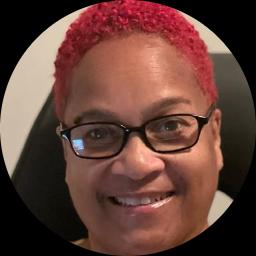
Lauren Moret-Glass
LSCSW, LCSW
Practical, respectful therapy for life changes
- Stress, Anxiety
- Relationship
- Trauma and abuse

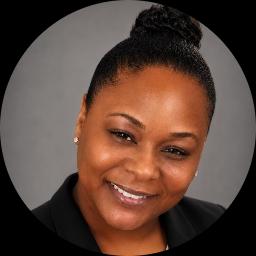
Kenneth Denny
LCSW, CSW
Experienced LCSW focused on practical change
- Stress, Anxiety
- Relationship
- Family
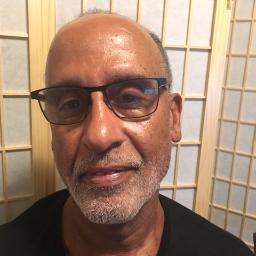


Susan Rhodes
LICSW, LCSW
Compassionate social worker who supports change
- Stress, Anxiety
- Addictions
- Family

Michael Robinson
LCSW
Careful, practical support for relationships and identity
- Stress, Anxiety
- Addictions
- LGBT

Katherine Georgeoff Mohr
LCSW
Therapist focused on practical coping skills
- Stress, Anxiety
- Trauma and abuse
- Grief

Ragerus Hicks
LMSW, LCSW
Practical support for stress and life transitions
- Stress, Anxiety
- Self esteem
- Career

Joel Brooks
LCSW
Calm, experienced therapist focused on practical change
- Stress, Anxiety
- Addictions
- Relationship


Evalee Smith
LISW, LCSW, CSW
Compassionate social worker who values practical steps
- Stress, Anxiety
- Parenting
- Anger

Deborah Mason
LCSW
Calm, practical support through life changes
- Stress, Anxiety
- Trauma and abuse
- Grief


Amy Weissman-Hunt
LCSW
Helpful, steady therapy for life transitions
- Stress, Anxiety
- Relationship
- Self esteem

Linda Flynn
LCSW
Practical trauma recovery and addiction support
- Addictions
- Relationship
- Trauma and abuse

Alona Perlin
LCSW
Compassionate, practical therapy for everyday struggles
- Stress, Anxiety
- Relationship
- Trauma and abuse



Kimberly Sylla
LCSW
Compassionate, practical therapy for life’s hard moments
- Stress, Anxiety
- Addictions
- LGBT

Robin Burns
LCSW
Compassionate therapy for life’s difficult moments
- Stress, Anxiety
- Relationship
- Trauma and abuse

Nicole Valadao
LCSW
Compassionate practical support for stress and identity
- Stress, Anxiety
- LGBT
- Career

Tajanay Keaton-Chesson
LCSW
Compassionate skills-based therapy for real life
- Stress, Anxiety
- Relationship
- Trauma and abuse


Angela Heck
LCSW
Compassionate support for relationship and intimacy concerns
- Relationship
- Trauma and abuse
- Intimacy-related issues

Some links on this page are partner links. We will earn a commission if you sign up through one, at no cost to you. It does not change what you pay or the order of the listings.
Understanding Sexuality and How It Can Affect You
Sexuality is a broad and deeply personal part of human life. It includes sexual orientation, gender identity, desire, arousal, function, relationship patterns, consent, erotic expression, and the meanings you attach to intimacy. For many people these aspects are experienced without disruption, but for others sexuality interacts with stress, identity questions, past trauma, health conditions, relationship shifts, cultural expectations, and life changes in ways that create confusion or distress.
When you work with a licensed clinical social worker who lists sexuality among their focuses, you benefit from a professional perspective that emphasizes the connection between your internal experience and the world around you. Social work training centers on a person-in-environment lens - that means an LCSW looks at how factors such as work, housing, family dynamics, finances, community, and access to health care shape your sexual health and relationships. That broader focus can help you understand not only what you are feeling in the moment but why those feelings may have developed and how your wider circumstances influence them.
Because sexuality intersects with physical health, legal issues, and intimate partnerships, concerns in this area often touch multiple parts of life. You might find that addressing sexual concerns also improves overall wellbeing, communication with partners, or your ability to engage in social and occupational roles. An LCSW can help you navigate those connections and, when appropriate, coordinate with medical professionals, specialty clinicians, or other community resources.
Signs You Might Benefit from Working with an LCSW for Sexuality
You might consider seeking help when questions about sexuality are persistent, cause significant emotional pain, or interfere with everyday functioning. Common signals include ongoing shame or anxiety related to sexual feelings or identity, difficulties with desire or arousal that affect relationships, unexpected changes in sexual interest after illness or life transitions, or conflict with a partner about intimacy. Issues that involve coercion, boundary violations, or past sexual trauma are also important reasons to reach out for professional support.
Beyond symptoms, you might want a guided space to explore changes in identity or orientation, to make decisions about coming out, or to process how cultural or religious beliefs are influencing your sexual life. If your sexuality concerns intersect with financial stress, caregiving duties, unstable housing, or legal questions, an LCSW’s training in social systems can be particularly useful. LCSWs are educated to consider both personal meaning and environmental factors, so they can help you address practical barriers while also working through emotional and relational patterns.
Finally, if sexual concerns are affecting your job performance, parenting, or other responsibilities, or if you feel isolated and unsure where to turn for reliable information, an LCSW who lists sexuality as a focus can provide assessment, psychoeducation, and referrals to other services when needed.
What to Expect in Sessions Focused on Sexuality with an LCSW
Sessions with an LCSW who works with sexuality usually begin with a thorough assessment. You can expect the clinician to ask about history, relationships, current symptoms, relevant medical information, and how your sexual concerns affect daily life. This intake is collaborative - the goal is to form a shared understanding and to set goals that feel meaningful to you. Because LCSWs emphasize the environment around you, questions may also cover work, housing, social supports, community pressures, and access to care.
Therapy typically involves a mix of talking, psychoeducation, and skill-building. You might discuss communication techniques for talking about needs with a partner, learn strategies for managing anxiety around intimacy, practice consent-focused boundaries, or explore identity questions in a step-by-step way. When sexual difficulties have a medical or physiological component, an LCSW may help you coordinate with medical providers and explain how medical factors intersect with emotional and relational issues.
Throughout the process, an LCSW aims to make therapy collaborative and goal-oriented. You and the clinician will regularly revisit progress and adjust plans. If you are working with a partner, sessions may sometimes include both of you to practice communication and to negotiate mutual needs. If safety is a concern - for example, coercion or nonconsensual experiences - the clinician will focus on immediate wellbeing and connect you with appropriate supports, resources, or legal guidance as needed.
Common Therapeutic Approaches Therapists List for Sexuality Work
There is no single method that defines sexuality work, and the clinicians listed on this site may describe a variety of approaches among the ones they list. Many LCSWs report using evidence-informed approaches commonly employed in work around sexual concerns, such as approaches that focus on thoughts and behaviors, on emotional processing, or on relational patterns. You will also find clinicians who list narrative or trauma-informed approaches, approaches that emphasize mindfulness or body awareness, and psychodynamic perspectives that explore longer-term relational themes.
It is important to understand that the directory records what therapists list about their practice - those listings do not constitute a guarantee of formal specialty certification. When you review profiles, look at whether a clinician lists sexuality or intimacy as a focus, the types of populations they describe working with, and the approaches they list. That combination can give you a sense of which profiles match the concerns you want to address.
Because sexuality often connects to trauma, many clinicians emphasize a trauma-aware stance and careful attention to pacing, consent, and bodily autonomy. Others may highlight relationship-focused work that centers communication, sexual negotiation, and mutual satisfaction. If you have specific needs - for example, working around a medical condition, exploring kink in a nonjudgmental context, or navigating changes after childbirth - look for clinicians who list relevant populations, focus areas, and experience in those topics.
How Online Sessions with an LCSW Work for Sexuality and Tips for Choosing the Right Clinician
How online sessions work
Online sessions with an LCSW typically follow the same clinical structure as in-person work but use video, phone, or messaging to connect. For many people, remote sessions increase convenience and make it easier to access clinicians outside of their immediate area. You should expect to discuss communication norms for online work - how you will contact the clinician between sessions if needed, what to do in a crisis, and how information will be recorded. Because sexual topics can be sensitive, many clients find it helpful to prepare a supported, comfortable setting at home where they can speak freely without interruptions.
Online work also allows for continuity when life is busy or when travel makes in-person sessions difficult. If medical evaluation or physical examination is relevant to your concerns, an LCSW can help coordinate referrals to local medical providers. Keep in mind that licensing rules vary by state - LCSWs are licensed by individual state boards and the scope of practice and title may vary where you live. If you plan to work across state lines, you may want to confirm with a clinician where they are licensed and whether they list cross-state options for remote sessions.
Tips for choosing the right therapist for sexuality
Begin by clarifying what you want to address - identity exploration, desire changes, sexual function, past trauma, relationship dynamics, consent issues, or supportive education. Use those priorities to compare profiles. Look for clinicians who explicitly list sexuality or intimacy as a focus, and read the descriptions about populations they work with, languages they speak, and the approaches they list. If you have cultural or religious considerations, find an LCSW who indicates experience with similar backgrounds or who expresses an attitude that resonates with you.
Pay attention to practical details recorded in profiles such as professional credential - in this directory the clinicians all hold the LCSW credential - their stated experience areas, and any notes about approach. Because the directory records what clinicians list rather than verifying specific specialty certifications, you may want to use the profile language as a starting point for your own questions. When you contact a clinician, it is reasonable to ask about their experience with issues like yours, how they typically structure sessions, and how they coordinate with medical or specialty providers when necessary.
Choosing a clinician is a personal decision. Look for a professional description that aligns with your needs and values, and trust your sense of fit when you review profiles. An LCSW’s emphasis on the person-in-environment perspective can make them especially helpful if your sexual concerns intersect with broader life stressors or systemic barriers, because they are trained to address both internal experience and external circumstances in planning care.
Overall, take time to read profiles carefully, look for clinicians who list sexuality as a focus area that matches your concerns, and consider how their stated approaches and experience align with your goals. The listings below let you compare these elements so you can begin to identify clinicians who may be a good fit for the kind of support you want.