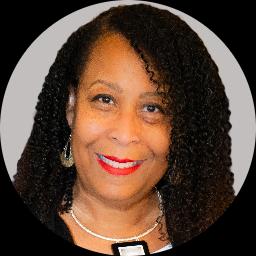
Deneta Jones-Udefi
LCSW
Practical support for relationships and personal growth
- Relationship
- Parenting
- Self esteem
Clinical social work directory
3,836 therapists list women's issues among the things they work with. All offer sessions online, and every profile shows the registering body, the membership number and when it runs to.
This directory lists licensed clinical social workers (LCSWs) who identify a focus on women's issues. Use the listings below to review professional profiles, areas of focus, and languages spoken.
Browse the results to find LCSWs whose experience and described approaches align with your needs.
LCSW
Practical support for relationships and personal growth
LCSW
Compassionate, practical therapy for stressed parents and adults
LCSW
Compassionate support for stress and sexual concerns
LCSW
Practical, values-driven therapy for life challenges
LCSW
Compassionate, practical support for life transitions
LCSW
Compassionate social worker focused on practical change
LCSW
Compassionate guidance for relationship and self issues
LCSW
Helping people navigate stress and relationship pain
LCSW
Compassionate practical support for everyday challenges
LCSW
Compassionate therapist helping people build stronger coping skills
LCSW
Restorative, practical therapy for everyday challenges
LCSW
Practical, strengths-based help for life changes
LCSW
Trusted Mississippi LCSW for life transitions
LCSW
Compassionate, practical support for personal growth
LCSW
Compassionate social worker focused on real-life change
LCSW
Practical, respectful therapy focused on real life
LCSW
Compassionate, practical care for daily struggles
LCSW
Calm, practical therapy for everyday challenges
Experienced social worker and clinician
LCSW
Practical, evidence-based support for stress and trauma
LCSW
Calm, practical support for everyday struggles
LCSW
Experienced LCSW providing steady support
LICSW, LCSW, CSW
Practical, compassionate support for life transitions
LCSW, CSW
Compassionate support for trauma and addiction recovery
LCSW
Compassionate guidance grounded in decades of practice
LCSW
Practical, relationship-focused mental health support
LCSW
Practical, steady care from an experienced LCSW
LCSW
Calm support for stress and life changes
LCSW
Compassionate, practical support for life challenges
LCSW
Practical support for stress and relationships
LCSW
Compassionate LCSW focused on practical coping strategies
LCSW
Helping you make steady, practical change
LCSW, LISW
Practical, strengths-focused therapy for everyday challenges
LCSW
Hopeful, practical therapy for real-life struggles
LCSW
Experienced LCSW offering steady, practical support
LCSW
Compassionate, practical support for life transitions
LCSW, CSW
Compassionate social worker focusing on relationships
LSCSW, LCSW
Practical, respectful therapy for life changes
LCSW
Helping people overcome addiction and relationship strain
LCSW
Compassionate, practical care for mood and life changes
LCSW
Attachment-informed practical therapy for parents and adults
Some links on this page are partner links. We will earn a commission if you sign up through one, at no cost to you. It does not change what you pay or the order of the listings.
Women's issues is a broad term that brings together concerns often experienced across the lifespan, including reproductive transitions, menstrual and menopausal changes, caregiving roles, identity development, gender-based violence, and relationship patterns. When you look for help under this specialty you are often addressing experiences that are shaped by social roles, family expectations, access to resources, and health care systems, as well as by your internal feelings and coping strategies. Licensed clinical social workers bring training that explicitly considers those external pressures alongside what happens inside you, so you will likely encounter attention to both life circumstances and personal meaning.
The impact of these issues can be emotional, physical, and practical. You may feel overwhelmed by role strain, confused by changes around fertility or menopause, unsettled after a trauma, or stuck in relationship patterns that affect self-worth. Because social work training emphasizes the person-in-environment perspective, an LCSW can help you explore how work, housing, finances, family expectations, and community resources influence your experience, and help you identify steps that address both external barriers and inner distress.
People who seek help for women's issues typically bring a mix of life-stage concerns and context-driven stressors. The work can involve processing grief or loss, navigating reproductive choices, addressing past or recent violence, balancing caregiving and career demands, or clarifying identity amid social pressures. LCSWs who list women's issues as a focus are attuned to how social systems and personal histories interact to shape the challenges you face.
You might consider seeing an LCSW if you notice persistent changes in mood, sleep, appetite, or energy that relate to reproductive events, caregiving transitions, or relationship conflicts. If you feel repeatedly overwhelmed by responsibilities, powerless in intimate relationships, or profoundly affected by past trauma, those are common reasons people turn to a clinician who lists women's issues among their focus areas. You may also seek help when practical concerns - like navigating medical systems, arranging childcare, or managing work-life balance - feel entangled with your emotional health and make it hard to move forward.
Other signs include recurring patterns in relationships that leave you feeling diminished, difficulty making decisions about reproductive options, or feeling isolated because your experience does not match social expectations. If you find that context - such as financial strain, lack of community supports, or workplace pressures - is a major part of the problem, an LCSW's orientation toward environmental factors can be particularly helpful. Reaching out does not require a crisis; it can be a proactive step to develop strategies for resilience and clarity.
Consider looking for support when distress interferes with your daily functioning, relationships, or ability to meet responsibilities. You do not need a single dramatic event to justify seeking help - often the accumulation of stressors or an important life transition is a sufficient reason to consult an LCSW.
When you begin meeting with an LCSW who lists women's issues among their focus areas, you can expect an initial period of assessment during which the clinician asks about your history, current concerns, practical circumstances, and goals. That assessment typically includes questions about family, work, housing, medical care, and community supports because these factors are understood to shape mental health. You and the LCSW will use that information to set priorities together, which may include coping skills, boundary-setting, navigating health care systems, safety planning, or referrals to community resources.
Sessions blend attention to emotions with pragmatic problem-solving. You may spend time exploring patterns in relationships, processing losses, or making sense of identity changes. At the same time, an LCSW is likely to help you map out concrete steps - for example, connecting with benefits, advocating with a healthcare provider, or planning for caregiving transitions - so that therapeutic work addresses both feeling better and functioning better. The pace and structure of sessions are set collaboratively; some people prefer a reflective approach while others favor practical coaching aimed at immediate tasks.
Over time you and the LCSW will revisit goals and adjust plans. Because state licensing regulates scope of practice, the clinician will explain what they are able to provide and may suggest other professionals or community supports when needed. The emphasis is on creating an approach that fits your context and priorities.
Licensed clinical social workers typically draw on a range of approaches, and on this site you will find profiles that list different methods. You may encounter therapists who list cognitive behavioral therapy among their approaches to address unhelpful thought patterns, or therapists who list trauma-informed care among their approaches to work carefully with histories of abuse. Others may list psychodynamic perspectives for exploring relational patterns, narrative approaches to reframe life stories, or mindfulness-based methods to manage stress and bodily sensations.
Because the directory records what clinicians report on their profiles rather than verified certifications in specific modalities, it is useful to read profile descriptions and look for how a therapist explains their focus. Some LCSWs emphasize systems-level work and resource navigation, while others highlight emotional processing or boundary development. If a particular approach appeals to you, consider that profiles may state that a clinician lists that approach rather than asserting formal certification. You can use that information to find an LCSW whose described orientation matches how you prefer to work.
Online work with an LCSW can make it easier to access clinicians who understand women's issues across different regions. When you choose online sessions, confirm that the LCSW is licensed in the state relevant to your care because licensing is issued and renewed by an individual state board and rules vary. Online meetings allow you to connect from a home, workplace, or another setting that feels comfortable, and they often focus on the same person-in-environment concerns as in-person work - the clinician will ask about your daily life, supports, and the systems that affect you.
When evaluating profiles, pay attention to how a clinician describes their experience with women's issues, the life stages or concerns they highlight, and the populations they mention. Look for language that signals attention to both emotional and practical aspects of your situation. Consider practical questions that matter to you - for example, whether the clinician describes experience with reproductive planning, caregiving stress, trauma recovery, or workplace pressures - and use those points to narrow your search. Remember that profiles reflect self-reported focuses and approaches, not outcome data or guaranteed fit, so it is reasonable to contact more than one LCSW to get a sense of their style before making a decision.
As you review listings, think about the issues you want to address and how you prefer to work. Some people want structured sessions with concrete tasks, while others want space to explore emotions and history. Consider whether language, cultural background, or knowledge of specific life stages matters to you. If navigating health care or community resources is central to your concerns, look for LCSWs who emphasize systems-level support in their profiles. Taking a few minutes to identify your priorities will make it easier to find a clinician whose stated focus aligns with what you need.
Finding an LCSW who lists women's issues as a focus gives you a starting point for getting help that considers both your inner experience and the life circumstances shaping it. With clear priorities and attention to how a clinician describes their practice, you can find a professional match that supports the next steps you want to take.