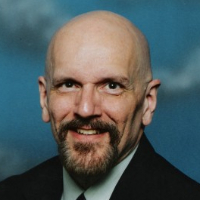
Deneta Jones-Udefi
LCSW
Practical support for relationships and personal growth
- Relationship
- Parenting
- Self esteem
Clinical social work directory
3,111 therapists list workplace issues among the things they work with. All offer sessions online, and every profile shows the registering body, the membership number and when it runs to.
On this page you'll find licensed clinical social workers (LCSWs) who list workplace issues as a focus. Explore the listings below to review profiles, approaches, languages, and areas of experience to find therapists who may match your needs.
LCSW
Practical support for relationships and personal growth
LCSW
Compassionate, practical therapy for stressed parents and adults
LICSW, LCSW
Calm, steady support for life’s hard changes
LCSW
Practical, values-driven therapy for life challenges
LCSW
Compassionate social worker focused on practical change
LCSW
Experienced LCSW supporting life changes
LCSW
Person-centered care with practical tools
LCSW
Compassionate practical support for everyday challenges
LCSW
Restorative, practical therapy for everyday challenges
LCSW
Practical, strengths-based help for life changes
LCSW
Forward-focused therapist for practical change
LCSW
Practical, values-focused therapy for life problems
LCSW
Compassionate, practical support for personal growth
LCSW
Compassionate LCSW for practical coping skills
LCSW
Compassionate social worker focused on real-life change
LCSW
Practical support for stress and relationship strain
LCSW
Practical, respectful therapy focused on real life
LCSW
Calm, practical therapy for everyday challenges
LCSW
Practical support for stress and relationships
LCSW
Practical, evidence-based support for stress and trauma
LCSW
Calm, practical support for everyday struggles
LICSW, LCSW, CSW
Practical, compassionate support for life transitions
LCSW, CSW
Compassionate support for trauma and addiction recovery
LCSW
Compassionate guidance grounded in decades of practice
LCSW
Practical, relationship-focused mental health support
LCSW
Practical, steady care from an experienced LCSW
LCSW
Practical support for stress and relationships
LCSW
Helping you make steady, practical change
LCSW, LISW
Practical, strengths-focused therapy for everyday challenges
LCSW
Hopeful, practical therapy for real-life struggles
LCSW, CSW
Experienced Georgia LCSW focused on practical support
LCSW
Practical, trauma-informed therapy for everyday challenges
LCSW
Experienced LCSW offering steady, practical support
LCSW
Compassionate, practical support for life transitions
LCSW, CSW
Compassionate social worker focusing on relationships
LSCSW, LCSW
Practical, respectful therapy for life changes
Some links on this page are partner links. We will earn a commission if you sign up through one, at no cost to you. It does not change what you pay or the order of the listings.
Workplace issues cover a wide range of concerns that arise from the circumstances of your job, the relationships you have at work, and how work shapes your life outside of the office. These concerns can include chronic stress, burnout, harassment, ethical dilemmas, interpersonal conflict with supervisors or colleagues, difficulties with remote work boundaries, and the strain of career transitions or unemployment. Because work is a major part of daily life for many people, problems that start at work can spill into sleep, relationships, mood, and physical health.
When you consult with a licensed clinical social worker about workplace issues, you are working with a professional whose training emphasizes a person-in-environment perspective. That means an LCSW looks not only at your internal experience but also at the environmental factors that shape it - the organizational culture, job demands, financial pressures, caregiving responsibilities, and access to supports in your community. That broader lens can be especially helpful when your distress is tied to systems, roles, or practical constraints rather than only to internal patterns.
You might consider seeking help if you notice persistent changes in your mood, behavior, or daily functioning that line up with work stress. You may feel chronically exhausted but unable to rest, have trouble concentrating or making decisions, experience increased irritability, or find that work-related thoughts intrude on evenings and weekends. Some people notice physical symptoms such as headaches, gastrointestinal upset, or changes in appetite that seem connected to job strain.
Beyond personal symptoms, you may also be struggling with decisions or situations where the context matters - for example, whether to report harassment, how to set boundaries with demanding supervisors, how to navigate disability or leave policies, or how to plan a career change when family or financial considerations are significant. An LCSW's orientation toward environmental and systemic factors can help you weigh practical options and identify supports that align with your circumstances.
Sessions with a licensed clinical social worker typically begin with an assessment of your concerns and the social, occupational, and family factors that influence them. You can expect a collaborative process where you and the LCSW identify specific goals - reducing burnout, improving communication with a supervisor, coping with job loss, or planning a career transition. An LCSW will use clinical interviewing to understand how your work fits into the broader context of your life, including housing, finances, caregiving responsibilities, and community resources.
Interventions are shaped by those goals. In some cases you might work on concrete problem-solving skills, boundary setting, and practical steps to manage workload. In others you might explore the emotional impact of workplace experiences, patterns that influence how you relate to coworkers, or trauma responses that affect functioning. Sessions often blend short-term, solution-focused tasks with deeper exploration when needed, and you should expect the practitioner to discuss how progress will be tracked and reviewed.
Because LCSWs are licensed clinicians, they can provide assessments that consider both psychological symptoms and social determinants of health. Licensing requirements usually include a master's degree in social work, a period of supervised post-graduate clinical experience commonly around two to three years and several thousand hours depending on state rules, and passage of a clinical licensing examination. Licenses are issued and renewed by individual state boards, so scope of practice and specific title may vary by state.
When you review profiles you will see a range of approaches listed. Many LCSWs include cognitive-behavioral techniques aimed at identifying and changing unhelpful thought patterns that contribute to stress and avoidance. Others list psychodynamic or relational approaches that focus on how past experiences shape patterns in the workplace. Some therapists note solution-focused or strengths-based methods aimed at practical change and immediate problem solving, while others highlight mindfulness-informed strategies to help you regulate stress and build resilience in the moment.
You may also encounter profiles where practitioners list narrative, trauma-informed, or eye movement desensitization and reprocessing among their approaches. It is important to read those listings as descriptions of what a therapist emphasizes in practice rather than as proof of a specific certification. If you are curious about how a particular approach is applied to workplace concerns, you can look for profile details about experience with similar issues or languages spoken. An LCSW's person-in-environment orientation often means that even approaches that focus on internal experience are blended with attention to external systems - such as employment law, benefits, and community resources - that affect your options.
Online sessions make it possible to connect with a licensed clinical social worker from home, your car during a break, or another quiet place where you can speak without interruptions. Typical online formats include video calls, phone sessions, or messaging options that vary by clinician. During the first few contacts the clinician will explain the platform used, how to prepare for a session, and how to handle technology interruptions. You should plan to be in a space where you feel comfortable talking openly and where you will not be overheard by coworkers or others in your household.
Remote sessions are particularly useful if your workplace schedule is irregular, if you live in an area with limited local options, or if commuting would be a barrier to consistent care. Online work also allows you to practice role plays or communication rehearsals in contexts that reflect your daily reality, such as preparing for a difficult conversation with a manager. Keep in mind that licensing rules vary by state, and an LCSW's scope of practice is tied to the state board that issued the license. If you plan to participate across state lines, it can help to look for details on a therapist's profile about where they are licensed and the populations they serve.
When selecting a therapist for workplace issues you can focus on several practical factors. Start by looking for licensed clinical social workers who explicitly mention workplace stress, burnout, career transitions, or conflict in their profiles. Pay attention to any notes about populations they work with, such as healthcare professionals, educators, managers, or remote workers, because relevant experience can shape how they understand your day-to-day pressures. Compare languages spoken, years of clinical experience, and any descriptions of how they integrate attention to social and environmental factors into their work.
Also consider the types of interventions listed and whether they match what you are seeking. If you want practical strategies you might prioritize therapists who emphasize solution-focused or skills-based work. If you need help processing difficult or traumatic workplace experiences, look for practitioners who list trauma-informed care or approaches that acknowledge emotional processing alongside practical planning. Finally, think about logistics - session lengths, communication style, and technology preferences - as these practical elements influence whether you can sustain work with a clinician. A good match often comes from aligning their focus and approach with the realities of your life and job demands.
Choosing a therapist is a personal decision. Use profile details to narrow options and to identify practitioners who speak your language, who understand the systems that shape your work life, and who describe an approach that fits your goals. An LCSW's person-in-environment lens can be particularly helpful when your workplace concerns are entangled with housing, family roles, finances, or access to community supports. Taking time to find someone whose profile resonates with your situation can make your work in therapy more relevant and actionable.