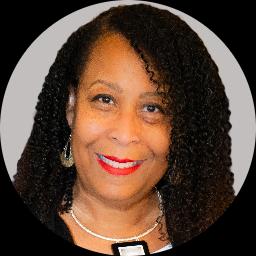
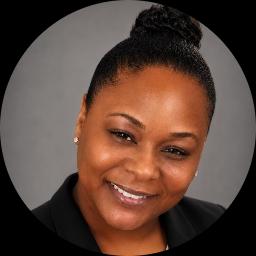
Maria Wilson
LCSW
Compassionate, practical therapy for stressed parents and adults
- Stress, Anxiety
- Relationship
- Family
Clinical social work directory
2,957 therapists list young adult issues among the things they work with. All offer sessions online, and every profile shows the registering body, the membership number and when it runs to.
Find licensed clinical social workers (LCSWs) who list young adult issues as a focus area. Below you can browse profiles of LCSWs who work with transitions, identity, relationships, and the stresses common in your twenties and early thirties.
Use the listings to learn about each clinician's focus areas, languages, and approaches as you explore who might fit your needs.
LCSW
Compassionate, practical therapy for stressed parents and adults
LICSW, LCSW
Calm, steady support for life’s hard changes
LCSW
Calm, practical support for everyday mental health
LCSW
Compassionate social worker focused on practical change
LCSW
Calm, client-led therapy for lasting change
LCSW
Person-centered care with practical tools
LCSW
Compassionate practical support for everyday challenges
LCSW
Compassionate therapist helping people build stronger coping skills
LCSW
Restorative, practical therapy for everyday challenges
LCSW
Compassionate, practical support for life challenges
LCSW
Practical, values-focused therapy for life problems
LCSW
Compassionate, practical support for personal growth
LCSW
Practical support for stress and relationship strain
LCSW
Practical, respectful therapy focused on real life
LCSW
Compassionate, practical care for daily struggles
LCSW
Practical, evidence-based support for stress and trauma
LCSW
Calm, practical support for everyday struggles
LICSW, LCSW, CSW
Practical, compassionate support for life transitions
LCSW
Practical, relationship-focused mental health support
LCSW
Practical, steady care from an experienced LCSW
LCSW
Calm support for stress and life changes
LCSW
Practical support for stress and relationships
LCSW
Helping you make steady, practical change
LCSW, LISW
Practical, strengths-focused therapy for everyday challenges
LCSW
Hopeful, practical therapy for real-life struggles
LCSW
Compassionate, experienced support for family and life change
LCSW
Practical, trauma-informed therapy for everyday challenges
LCSW, LISW-CP
Compassionate social worker focused on practical change
LCSW, CSW
Compassionate social worker focusing on relationships
LSCSW, LCSW
Practical, respectful therapy for life changes
LCSW
Helping people overcome addiction and relationship strain
LCSW
Attachment-informed practical therapy for parents and adults
LCSW
Calm, practical support for life’s hard moments
LCSW
Practical, compassionate therapy for life transitions
Some links on this page are partner links. We will earn a commission if you sign up through one, at no cost to you. It does not change what you pay or the order of the listings.
When people talk about young adult issues they are usually referring to the life stage that follows adolescence and precedes settled adulthood - a period where work, relationships, identity, finances, and living arrangements are often in flux. You might be finishing school, starting a first significant job, navigating new romantic partnerships, managing mental health independently for the first time, or making decisions about where to live. These shifts can bring excitement and growth as well as uncertainty, anxiety, loneliness, and stress.
For many young adults the experience is complicated by external factors such as changing family dynamics, economic pressures, or limited access to resources. Licensed clinical social workers bring a person-in-environment perspective that looks at the whole picture. That means an LCSW considers your internal experience alongside things like housing, employment, relationships, and community supports so that conversations in sessions connect your feelings with the real-world context that shapes them.
You might consider seeking help if you notice persistent patterns that interfere with daily life or goals. These can include ongoing difficulties with mood or anxiety, trouble forming or keeping close relationships, repeated career or school setbacks, feeling stuck in decisions about identity or direction, or struggling to manage stress and responsibilities. You may also be dealing with the aftereffects of past trauma, challenges with substance use, or difficulty balancing family expectations with your own priorities.
An LCSW's training emphasizes both clinical skills and practical supports, so if you want help that addresses emotional coping and concrete aspects of life - such as housing options, workplace challenges, or accessing benefits - an LCSW may be especially relevant. You do not need to have a diagnosis to work with an LCSW; many people seek help simply to improve coping skills, clarify goals, and navigate transitional periods.
Early sessions are typically about getting to know your situation and priorities. You can expect an LCSW to ask about your current life circumstances, stressors, relationships, work and school, and any resources you have. Together you and the LCSW will identify practical goals and the kinds of changes you want to see. Some goals are immediate and practical - such as improving sleep, managing panic, or organizing a job search - while others are about long-term identity, values, and relationship patterns.
Over time sessions often combine emotional exploration with skill-building and problem solving. Because social work training includes attention to systems that affect your life, an LCSW may help you map out steps to address barriers like unstable housing, employment challenges, or limited access to community supports. That could include helping you find community resources, connecting you with educational or vocational supports, or helping you plan conversations with family or employers. The focus is on what is meaningful to you and on practical steps that align with your goals.
Listings on this site record the approaches a clinician uses, but that record does not confirm specific certifications. You may notice a range of approaches in LCSW profiles. Cognitive behavioral techniques are often used to help you identify and change thinking patterns that contribute to anxiety or depression. Acceptance and commitment-oriented work can help you clarify values and commit to actions that move you toward a chosen life. Dialectical behavior approaches are sometimes used to build emotion regulation and interpersonal effectiveness, especially when relationships feel intense or unstable.
Some LCSWs list trauma-informed care or somatic-informed approaches to address the effects of past hurt on current functioning. You might also see therapists who list narrative, psychodynamic, or family systems among their approaches; these frameworks can help you understand identity, relational patterns, and how your history shapes present choices. Because profiles vary, it is useful to read descriptions closely and focus on how an LCSW frames their work with young adults rather than assuming any listed name implies a specific training credential.
Online sessions with an LCSW typically happen by video, phone, or messaging, depending on the clinician's offerings. This format can be convenient if you are balancing work, school, commuting, or living in an area with fewer local options. Many people find that seeing a clinician by video preserves the personal connection of face-to-face sessions while reducing travel time and scheduling barriers.
Licensing is a key consideration for online work. LCSW is a state-issued license, and rules about providing telehealth across state lines vary. If you plan to have online sessions, check that the clinician lists their state licensure and clarify whether they are permitted to work with clients where you live. Online work also involves practical considerations - choosing a personal place to meet, testing technology beforehand, and planning for emergency contacts if you need immediate in-person help. An LCSW can help you think through these logistics so therapy sessions fit into your life safely and effectively.
Start by thinking about what matters most to you in a therapeutic relationship. You may prioritize an LCSW who lists experience with transitions, relationship issues, identity development, or workplace stress. Consider language needs, cultural background, and whether you want someone who discusses practical supports like housing or financial resources as part of clinical work. When you read profiles, pay attention to how an LCSW describes their focus and the kinds of goals they pursue with young adults.
It is helpful to compare focus areas, approaches, credentials, languages spoken, and clinical experience rather than assuming a specific approach guarantees a fit. If a profile mentions approaches you recognize, remember that listings indicate a clinician has included that approach on their profile; they do not confirm a particular certification. You might reach out to learn about an LCSW's experience working with issues similar to yours and how they combine clinical work with practical supports. Trust your sense of whether a clinician's description matches your priorities, and give yourself permission to try more than one consultation to find a working match.
Working with an LCSW can be a practical and relational way to navigate the complexities of young adulthood. Whether you want focused skills to manage anxiety, help mapping a career path, support in shaping identity and relationships, or assistance connecting to community resources, an LCSW's person-in-environment perspective can help link inner experience with the real-world supports and barriers that affect you. Use the listings on this page to learn about licensed clinical social workers who focus on young adult issues and to explore who might fit the kind of support you want.