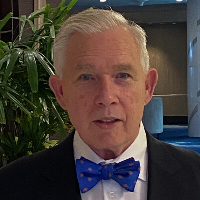
John Jamieson, LCSW
Licensed in Florida · 40 years in practice
John Jamieson is a licensed clinical social worker (LCSW) in Florida with 40 years of experience.
License and registration
- LCSW, Florida
- SW1531 · expires March 2027
- NPI
- 1548481294 · national provider identifier
- Years in practice
- 40
- Languages
- English
Details are as listed on the therapist's public professional profile. You can check any license with the state board and any NPI with the national registry.
About John
John Jamieson is a licensed clinical social worker (LCSW) in Florida with 40 years of experience. He focuses on practical support for stress, anxiety, addiction, grief, eating concerns, relationship challenges, trauma, and LGBT issues. His style is straightforward and affirming, aiming to help people notice what matters and take manageable steps forward.
In sessions he uses methods that help people make sense of painful memories and daily struggles. He blends approaches to strengthen coping skills, improve communication, and reduce distress.
Background and approach
He listens for values and goals, then works with each person to find useful strategies that fit their life. John has long experience with service members, people working through prejudice or discrimination, and those facing gender dysphoria or HIV/AIDS-related concerns. He also focuses on forgiveness, guilt and shame, infidelity, and questions about life purpose.
That background informs a practical, respectful way of meeting people where they are. Conversations often include teaching specific skills for emotion regulation, building habits that support recovery, and trying new ways of relating in everyday situations. He uses evidence-informed techniques without jargon and checks in frequently about what feels helpful.
Sessions can cover short-term problem solving or longer work on deeper changes. John aims to create a calm setting for steady progress, helping people regain a sense of agency and clearer direction.
Focus areas and approaches
Everything John lists on their public professional profile, in their own terms.
- Stress, Anxiety
- Addictions
- LGBT
- Relationship issues
- Trauma and abuse
- Grief
- Eating disorders
- Communication problems
- Forgiveness
- Gender dysphoria
- Guilt and shame
- HIV / AIDS
- Infidelity
- Life purpose
- Veteran and Armed Forces Issues
- Polyamory / non-monogamous relationships
- Post-traumatic stress
- Prejudice and discrimination
Approaches John names
- Acceptance and Commitment Therapy (ACT)
- Client-Centered Therapy
- Cognitive Behavioral Therapy (CBT)
- Dialectical Behavior Therapy (DBT)
- Existential Therapy
- Eye Movement Desensitization and Reprocessing (EMDR)
- Mindfulness Therapy
- Psychodynamic Therapy
- Solution-Focused Therapy
Naming an approach is not evidence of training in it. This directory copies what each therapist lists and does not check training records.
Online support
How therapy approaches translate to online care
Acceptance and Commitment Therapy (ACT) helps people clarify what matters to them and take small steps toward those values. It is useful for stress, anxiety, and problems that feel stuck because it focuses on action rather than only changing thoughts. Cognitive Behavioral Therapy (CBT) teaches concrete techniques to change unhelpful thinking and behavior patterns. It often helps with anxiety, eating concerns, and many forms of day-to-day distress. Client-Centered Therapy emphasizes an empathic, nonjudgmental relationship and gives people space to set their own pace; it supports exploration of identity, grief, and life meaning.Choosing the right approach is part of the work. The therapist will listen to a person’s goals, strengths, and preferences and then suggest methods that could fit. This is a collaborative process and strategies are adjusted based on what proves useful in real life.
Online sessions are offered by video calls, phone, live chat, or text-based messaging to increase flexibility. Video lets people see nonverbal cues and practice communication skills. Phone sessions can be easier when bandwidth is limited or a shorter check-in is needed. Live chat and text messaging let people send updates between sessions and keep momentum during busy weeks. These formats help make therapy more accessible for different schedules and needs.
We will earn a commission if you sign up through our link, at no cost to you. It does not change what you pay or the order of the listings.
Questions people ask
What concerns does this therapist address?
He focuses on stress, anxiety, addictions, LGBT issues, relationship problems, trauma and abuse, grief, and eating concerns. Additional areas include communication problems, forgiveness, gender dysphoria, and related topics.
What is his therapeutic style?
He blends client-centered listening with practical skill-building from approaches like ACT, CBT, and DBT. The emphasis is on clear steps and techniques people can use between sessions.
How much experience does he have?
He brings 40 years of clinical experience to his practice, which informs his work with long-term challenges and complex situations.
Where is the therapist licensed and located?
He is a licensed clinical social worker (LCSW) practicing in Florida and listed with the credential FL LCSW.
Are sessions offered in other languages?
Sessions are offered in English.
Can people outside the US work with him?
He does not accept international clients at this time.
What session formats are available?
He offers video calls, phone sessions, live chat, and text-based messaging to suit different needs and schedules.
How are costs and scheduling handled?
Cost varies with location and therapist availability and sessions use a subscription that can be canceled at any time. To start, select the Start Therapy button, complete a short matching questionnaire, and schedule according to availability.
More therapists in Florida
See allAmeenah Wright-Troutman
LCSW
Compassionate, practical support for life transitions
- Stress, Anxiety
- Grief
- Self esteem

Dr. Virginia Clark
LCSW
Experienced LCSW supporting life changes
- Stress, Anxiety
- Addictions
- Trauma and abuse
Carolyn Allen
LCSW
Compassionate practical support for everyday challenges
- Stress, Anxiety
- Self esteem
- Career

Is this your profile?
Ask us to correct details or take the page down.
Contact us