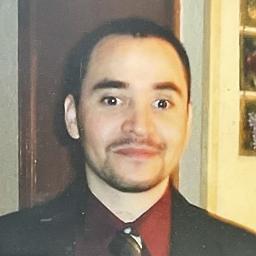
Tinita Samuels
LCSW
Compassionate, practical support for emotional challenges
- Grief
- Stress, Anxiety
- Anger
Clinical social work directory
4,584 therapists list grief among the things they work with. All offer sessions online, and every profile shows the registering body, the membership number and when it runs to.
Find licensed clinical social workers (LCSWs) who list grief and bereavement among their specialties. Browse the listings below to review focus areas, approaches they list, languages, and clinical experience.
LCSW
Compassionate, practical support for emotional challenges
LCSW
Compassionate, practical therapy for stressed parents and adults
LICSW, LCSW
Calm, steady support for life’s hard changes
LCSW
Compassionate, practical support for life transitions
LCSW
Calm, practical support for everyday mental health
LCSW
Compassionate social worker focused on practical change
LCSW
Calm guidance for grief, anxiety, and relationship struggles
LCSW
Compassionate therapist helping people build stronger coping skills
LCSW
Restorative, practical therapy for everyday challenges
LCSW
Practical, strengths-based help for life changes
LCSW
Compassionate, practical therapy for addiction and mood issues
LCSW
Compassionate LCSW for practical coping skills
LCSW
Compassionate social worker focused on real-life change
LCSW
Practical support for stress and relationship strain
LCSW
Practical, respectful therapy focused on real life
Experienced social worker and clinician
LCSW
Compassionate, practical therapy for everyday struggles
LICSW, LCSW, CSW
Practical, compassionate support for life transitions
LCSW
Practical, client-focused support for life changes
LCSW
Experienced LCSW offering practical, nonjudgmental therapy
LCSW, CSW
Compassionate support for trauma and addiction recovery
LCSW
Practical support for stress and trauma recovery
LCSW
Practical, steady care from an experienced LCSW
LCSW
Compassionate, practical support for life challenges
LCSW
Practical support for stress and relationships
LCSW, LISW
Practical, strengths-focused therapy for everyday challenges
Some links on this page are partner links. We will earn a commission if you sign up through one, at no cost to you. It does not change what you pay or the order of the listings.
Grief is a natural response to loss, and it shows up in many different ways. You may experience intense sadness, anger, guilt, numbness, or relief depending on the circumstances of the loss. Physical symptoms such as fatigue, sleep disruption, appetite changes, or aches are common, as are cognitive effects like trouble concentrating, memory lapses, or intrusive thoughts about the person or situation you lost. Grief does not follow a single timeline, and it often moves in waves - periods of relative calm can be followed by sudden, intense reactions triggered by a song, a smell, or an anniversary.
The social and practical impacts of grief are important to recognize. You might find relationships shift, work performance fluctuate, or everyday routines become harder to maintain. Because social work training emphasizes a person-in-environment perspective, an LCSW will look not only at your internal experience but also at how housing, finances, family dynamics, employment, and community support are interacting with the grieving process. That broader view can help identify stressors and supports that shape how grief unfolds in your life.
You might consider support from a licensed clinical social worker if grief is significantly interfering with daily functioning or if the intensity and duration of symptoms feel unmanageable. Signs that therapy may help include persistent difficulty performing at work or school, avoidance of social contacts, or trouble caring for children or household tasks. If strong emotional reactions are accompanied by self-harming thoughts or persistent hopelessness, reaching out for clinical help is important. An LCSW can assess risk and collaborate with you on a plan that addresses immediate safety and ongoing emotional needs.
There are also situations where grief takes on complex forms that benefit from specialized attention. Ambiguous loss - for example, when someone is missing but not confirmed deceased, or when a relationship changes through dementia or addiction - can create enduring confusion and unresolved mourning. Multiple losses in a short timeframe, losses that are stigmatized or disenfranchised, and grief complicated by prior trauma or mental health challenges are other circumstances where an LCSW’s clinical training and attention to environmental factors may be particularly useful.
When you begin working with an LCSW, initial sessions typically involve an assessment of your history, the nature of the loss, and how grief is affecting your life now. You can expect to discuss practical elements as well as emotional ones - for instance, the ways finances, housing, caregiving responsibilities, work demands, and social networks intersect with your grief. That practical focus reflects the social work perspective of treating a person within their environment.
Over time, sessions may include space for processing emotions, exploring memories, and developing coping strategies. Many people find it helpful to build routines, identify rituals that honor their loss, or practice techniques that help manage intense emotions. An LCSW will collaborate with you to set goals and to adjust the pace and focus of sessions as your needs evolve. Therapy can be short-term for concrete adjustments or longer-term when grief is interwoven with identity changes, relationship shifts, or complex family systems.
Licensed clinical social workers on this site may list a variety of approaches among their practice descriptions. Those listings signal areas they draw on in sessions, but they do not guarantee training or outcomes. You may see therapists who list narrative approaches that help you reorganize the story of your loss, or meaning-centered work that focuses on values and finding purpose after a major change. Some LCSWs list cognitive-behavioral strategies that help with changing unhelpful thought patterns and building practical coping skills. You may also find therapists who list modalities such as mindfulness, grief-specific models, or trauma-informed care; when you review profiles, notice which approaches are emphasized and whether the clinician mentions working with kinds of loss similar to yours.
Because social work education trains clinicians to consider systems, an LCSW might integrate attention to family, community, and institutional factors into the work. For example, if your grief relates to a workplace death or to systemic barriers faced by a family member, an LCSW can help you navigate those external issues alongside emotional processing. When you read profiles, look for language about population focus - such as perinatal loss, caregiving bereavement, veteran-related grief, or complicated mourning after trauma - so you can match a clinician’s experience areas with your needs.
Online sessions with an LCSW can replicate much of the structure of in-person work while offering flexibility in scheduling and geographic reach. You will want to consider practical details such as session length, whether the clinician lists experience providing telehealth, the technology platform used, cost, and whether they note which insurance plans they accept or if they offer sliding scale fees. Remember that licensing is state-based, so an LCSW will be credentialed by a particular state board; profiles typically list that credential and the states where the clinician is licensed to practice clinically.
When choosing an LCSW for grief, focus your comparison on the elements that are most relevant to you. Look at the therapist’s stated focus areas, the populations they work with, languages they speak, and the kinds of loss they highlight. Consider whether you want someone who emphasizes emotional processing, practical problem solving, family systems, or meaning work. Read profile descriptions to see how they describe the role of environment - such as housing, work, and community - in the grief process, since that is a distinctive part of social work practice. If you have specific cultural or religious needs, note whether these are mentioned in the clinician’s profile so you can find someone whose perspective aligns with yours.
Finally, trust your sense of fit. Many people find it helpful to review several profiles and to reach out for an initial conversation to get a sense of communication style and approach, even though profiles do not provide operational details about scheduling. Choosing an LCSW is a personal decision; prioritizing clear descriptions of focus, experience, and the person-in-environment viewpoint will help you find a clinician who can support you through the unique path of grieving.
Grief changes how you live and how you relate to others, and working with a licensed clinical social worker can offer a blend of clinical perspective and practical problem solving. Whether you are navigating acute bereavement or long-term adjustments after a loss, reviewing LCSW profiles through the lens of focus areas, approaches they list, languages, and experience can help you identify clinicians who are well suited to the kind of support you want.