
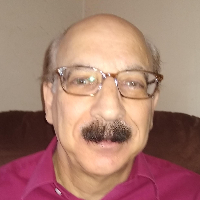
Michael Byrne, LCSW
Licensed in Pennsylvania · 7 years in practice
Michael Byrne offers calm, practical support for people facing stress, anxiety, depression, and big life changes.
License and registration
- LCSW, Pennsylvania
- CW021933 · expires February 2027
- NPI
- 1962075101 · national provider identifier
- Years in practice
- 7
- Languages
- English
Details are as listed on the therapist's public professional profile. You can check any license with the state board and any NPI with the national registry.
About Michael
Michael Byrne offers calm, practical support for people facing stress, anxiety, depression, and big life changes. He uses clear, down-to-earth language to help clients talk through what is most pressing. Many people come for help with trauma, self-esteem, and motivation, and he focuses on small, doable steps that fit daily life.
Michael is a Licensed Clinical Social Worker - LCSW - practicing in Pennsylvania. He has seven years of professional experience in behavioral health settings.
Background and approach
He treats what you bring to the room as important and builds on strengths you already have. In sessions he listens for what matters most and helps people try concrete strategies. He aims to make progress feel practical rather than overwhelming.
Sessions often include setting short-term goals and checking which steps are realistic between meetings. Michael works with a wide range of concerns beyond core anxiety and depression. These include coping with chronic illness or pain, dealing with isolation and grief, navigating communication problems, and addressing issues like substance use or body image.
He also offers support for people confronting guilt, shame, or difficult life transitions. He encourages anyone who is nervous about starting therapy to notice that taking the first step is itself meaningful. If you want straightforward, empathic help and clear next steps, Michael’s approach centers on listening first and learning what will help you right now.
Focus areas and approaches
Everything Michael lists on their public professional profile, in their own terms.
- Stress, Anxiety
- Trauma and abuse
- Self esteem
- Depression
- Coping with life changes
- Abandonment
- Aging and geriatric issues
- Body image
- Chronic pain, illness, and disability
- Codependency
- Communication problems
- Coping with natural or human-caused disaster
- Drug and alcohol addiction
- Forgiveness
- Gender dysphoria
- Guilt and shame
- HIV / AIDS
- Hospice and end-of-life counseling
- Impulsivity
- Isolation / loneliness
- Midlife crisis
- Mood disorders
- Polyamory / non-monogamous relationships
- Post-traumatic stress
- Prejudice and discrimination
- Process addiction (porn, exercise, gambling)
- Self-love
- Sexuality
- Social anxiety and phobia
Online support
How evidence-based approaches work online
Many therapists use evidence-based techniques that focus on present problems and practical skills. One common approach is brief, skills-focused work that teaches coping strategies for anxiety and stress, such as breathing practice, behavioral activation, and step-by-step exposure to feared situations. These techniques help reduce day-to-day distress and build confidence.Another useful approach centers on trauma-informed care that helps people process painful experiences at a safe pace. This involves grounding techniques, stabilizing tools, and paced discussions to help reduce reactivity and increase control over triggers.
Finding the right approach is a collaborative effort. The therapist will listen to your goals, try methods that fit your needs, and adjust plans based on what helps. Together you decide which techniques to use and when to try something different.
Online therapy offers practical flexibility. Video calls let you see facial cues and work more like an in-person session. Phone sessions are an option when bandwidth or comfort makes video difficult. Live chat or text sessions can be used for quick check-ins, brief coaching, or when writing feels easier than speaking. These options make it simpler to fit therapy into a busy life and to keep momentum between meetings.
We will earn a commission if you sign up through our link, at no cost to you. It does not change what you pay or the order of the listings.
Questions people ask
What kinds of concerns does Michael address?
He works with stress, anxiety, trauma and abuse, self-esteem, depression, and coping with life changes, along with related issues such as chronic pain, isolation, and substance use.
How would you describe his therapeutic style?
He uses a practical, strengths-based approach that focuses on clear steps and realistic goals tailored to daily life.
What is his experience working in mental health?
He has seven years of professional experience in behavioral health settings and has supported clients with a range of emotional and situational concerns.
What credentials and location are listed for this therapist?
Michael holds an LCSW credential and practices in Pennsylvania.
Can sessions be conducted in other languages or with international clients?
Sessions are offered in English and he does accept international clients.
What formats are available for sessions?
He offers video calls, phone sessions, live chat, and text-based messaging to fit different needs and schedules.
How are sessions paid for and what does cost depend on?
Cost varies with location and therapist availability; sessions use a subscription model that can be canceled at any time.
What is the best way to begin working with him?
Click the Start Therapy button, complete the short matching questionnaire, and then schedule a session according to the therapist's availability.
More therapists in Pennsylvania
See allEarl Driscoll
LCSW
Compassionate support for addiction and trauma recovery
- Addictions
- LGBT
- Self esteem

James 'Jim' Disantis
LCSW
Experienced LCSW offering practical, nonjudgmental therapy
- Stress, Anxiety
- Grief
- Depression


Is this your profile?
Ask us to correct details or take the page down.
Contact us