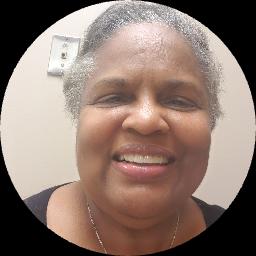
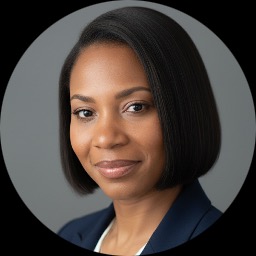
Dr. Kerene Brown
LICSW, LCSW, CSW
Practical, compassionate support for life transitions
- Stress, Anxiety
- Trauma and abuse
- Self esteem
Clinical social work directory
268 Licensed Clinical Social Workers in this directory hold a license issued in Georgia. Sessions are online; a therapist can usually only see people in the states where they hold a license, so check the license panel on each profile.
Welcome if you are looking for online therapy in Georgia. All therapists listed here hold an LCSW license issued by their state board, so you can review profiles with that credential in mind.
Explore listings to learn about each clinician's focus areas, approaches they list, languages spoken and professional experience as you consider your next step.
LICSW, LCSW, CSW
Practical, compassionate support for life transitions
LCSW, CSW
Compassionate support for trauma and addiction recovery
LCSW, CSW
Experienced Georgia LCSW focused on practical support
LCSW, CSW
Compassionate social worker focusing on relationships
LCSW, CSW
Experienced LCSW focused on practical change
LISW, LCSW, CSW
Compassionate social worker who values practical steps
LCSW, CSW
Caring, experienced support for everyday struggles
LCSW, CSW
Steady, experienced LCSW focused on lasting change
LCSW, CSW
Compassionate, practical therapy for stress and relationships
LCSW, CSW
Calm, practical therapy for life's hard moments
LCSW, CSW
Direct, practical therapy for stress and relationships
LCSW, CSW
Understanding, practical, strengths-based care
LCSW, CSW
Experienced Georgia LCSW focused on healing relationships
LCSW, CSW
Calm, experienced support for everyday struggles
LCSW, CSW
Practical, compassionate support for life changes
LCSW, CSW
Helping people build confidence and calm
LCSW, CSW
Compassionate practical support for life changes
LCSW, CSW
Compassionate, conversational clinical social worker
LCSW, CSW
Practical support for family and self-esteem struggles
LICSW, LCSW, CSW
Compassionate support for stress and trauma
LCSW
Practical, direct support for stressful life moments
LCSW, CSW
Compassionate, practical therapy for lasting change
LCSW, CSW
Gentle, practical support for stress and trauma
LCSW, CSW
Practical, compassionate social work support
LCSW, CSW
Practical support for trauma and life change
LCSW, CSW
Compassionate practical therapy for life challenges
LCSW, CSW
Experienced LCSW offering practical support
LCSW, CSW
Compassionate clinical social worker and coach
LCSW
Experienced LCSW helping adults find practical change
LCSW
Straightforward, practical help for life’s hard moments
LCSW, CSW
Compassionate LCSW focused on practical change
LCSW, CSW
Support for stress, mood, and addiction concerns
LCSW, CSW
Experienced LCSW focused on practical support
LCSW, CSW
Compassionate guidance for stress and life change
LCSW, CSW
Compassionate, practical therapy for everyday struggles
LCSW, CSW
Helping people build steady coping skills
LCSW, CSW
Practical, warm therapy for everyday challenges
LCSW, CSW
Compassionate social worker helping people move forward
LCSW, CSW
Guided support for stress and life transitions
LCSW, CSW
Practical support for stress and relationships
LCSW, CSW
Warm, practical support for life transitions
LCSW, CSW
Compassionate, practical support for change
LCSW, CSW
Helping people remove masks and set healthy boundaries
Some links on this page are partner links. We will earn a commission if you sign up through one, at no cost to you. It does not change what you pay or the order of the listings.
In Georgia, many licensed clinical social workers (LCSWs) offer online therapy as an alternative to in-person care. An LCSW holds a master of social work degree, has completed a state-set period of supervised post-graduate clinical experience and has passed a clinical licensing examination. The license itself is issued and renewed by the state board, so scope of practice and specific requirements can vary, but the credential indicates that a clinician has met those core professional milestones. If you are seeking remote care, you will commonly find profiles that note whether the clinician provides online sessions and describe populations, languages and areas of focus. Because rules around telehealth are managed at the state level, some aspects of how online sessions can be provided are shaped by Georgia regulations. That makes it useful to understand both the credential and the regulatory context when you review clinician profiles.
Telehealth for behavioral health in Georgia is conducted within a regulatory framework that addresses licensure, documentation and practice expectations. Many LCSWs adapt clinical work to video or phone formats while continuing to apply a social work perspective - that person-in-environment focus that looks at your housing, work, family, finances and community alongside internal experience. That perspective can be especially useful in online work because it supports attention to practical barriers and resources in your daily life as part of the clinical conversation.
Online therapy can increase access to an LCSW when travel or local options are limited. If you live in a rural part of Georgia, have mobility constraints, irregular work hours or caregiving responsibilities, virtual sessions can reduce travel time and make it simpler to maintain a consistent rhythm of care. You may also find LCSWs who list specialized experience or languages that are not readily available in your immediate area, making it easier to connect with a clinician whose background matches your preferences. Online sessions can also allow you to include family members or other supports in sessions without coordinating travel, which can be helpful when you are working on family dynamics or co-parenting plans.
There are practical conveniences as well. You can arrange sessions from home or another familiar setting and avoid delays from traffic. You should consider technical needs - a device with video capability, a reliable internet connection and a quiet, personal space for sessions - so that the online format supports meaningful conversation. It is also worth noting that clinicians adapt differently to remote work; some emphasize continuity of care and close follow-up while others highlight broader community resource coordination as part of their social work role.
LCSWs address a wide range of emotional, relational and life challenges. Many list experience working with anxiety, depression, trauma responses and grief. Others focus on relationship and family concerns, parenting support, life transitions such as retirement or relocation, and the practical stresses that come with unemployment, housing instability or caregiving. Because social work training centers the person-in-environment perspective, LCSWs often integrate attention to social determinants of health - things like access to transportation, work conditions, community supports and financial stress - into their clinical conversations. You may also find LCSWs who describe experience with substance use concerns, crisis response, case coordination with community agencies, and advocacy for accessing benefits or services.
When you read a clinician profile, look for language about the populations they work with and the life circumstances they address. Some clinicians will list work with adolescents, college students, veterans, older adults, parents or members of specific cultural communities. Others will note the languages they speak or the types of systems they are comfortable engaging, such as schools, healthcare providers or legal supports. Because the directory records the credential and what clinicians choose to list about their focus and approaches, you can use that information to identify clinicians whose stated interests match the issues you want to address.
Verifying a clinician's license is a practical step you can take before you reach out. The state licensing board maintains public records where you can look up license status by name or license number. When you search, check the license status, the expiration date and whether there are any publicly noted disciplinary actions or board restrictions. The board record will also indicate the license type, the date of issuance and sometimes the educational institution and supervisory history. If details are not clear on the public record, you can contact the board directly for guidance on what the record means.
Remember that licensure is issued by the state, so a clinician must hold the appropriate Georgia license to provide clinical services to someone located in Georgia. Board lookups are the authoritative source for licensure information; they let you confirm that the clinician holds an LCSW in Georgia and has met the state requirements for practice. If you have questions about scope of practice, telehealth rules or how licensure applies in a particular situation, the licensing board can provide current regulatory information.
Beginning with an online therapist involves both practical and personal considerations. Start by reviewing profiles to note the focus areas, approaches they list, languages and relevant experience. You can compare focus areas, approaches, credentials, languages and experience across profiles to identify clinicians who describe work that aligns with your needs. Think about whether you prefer a clinician who emphasizes support for everyday stressors and resource coordination or one who lists depth work with trauma and relational patterns. Be mindful that the directory records what each clinician chooses to share about their practice rather than making claims about outcomes.
You may want to prepare a few questions to ask when you contact a clinician or read their profile information. Consider asking about session length and typical frequency, how they structure online sessions, how they handle coordination with other providers and what languages they work in. If cost or insurance matters to you, look for information on fees, insurance participation or sliding scale options in the profile. It is helpful to think about cultural fit as well - whether the clinician has experience with your cultural background, family structure or other aspects of identity that feel important to you. Finally, plan for practical logistics: choose a quiet, personal area with a reliable internet connection and a device that supports video, and identify what you will do in case of an urgent need between sessions.
Choosing an LCSW is a personal decision and often involves trying a few conversations to find a fit. Use what clinicians share about their orientation and experience, verify licensure through the state board, and consider the logistics that will make online sessions comfortable and useful for you. By focusing on the credential, scope of experience and the specific populations and issues a clinician lists, you can narrow options and begin the process of connecting with an LCSW whose background aligns with your needs.