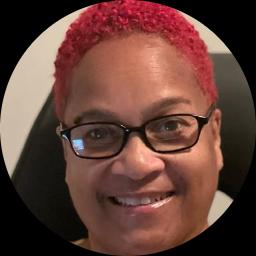
Cherysh Green-Caldwell, LCSW, CSW
Licensed in Georgia · 7 years in practice
Cherysh Green-Caldwell is a Licensed Clinical Social Worker who brings seven years of practice to her work.
License and registration
- LCSW, Georgia
- CSW008183 · expires September 2026
- NPI
- 1184299570 · national provider identifier
- Years in practice
- 7
- Languages
- English
Details are as listed on the therapist's public professional profile. You can check any license with the state board and any NPI with the national registry.
About Cherysh
Cherysh Green-Caldwell is a Licensed Clinical Social Worker who brings seven years of practice to her work. She completed a Master’s Degree in Social Work at Albany State University and has delivered care in settings like mental health and substance abuse programs, hospice, and criminal justice services. Cherysh combines clinical and administrative experience, including supervising social work students and interns.
Her style is straightforward and collaborative. She helps people set clear goals and checks progress as therapy moves forward.
Background and approach
Sessions aim to be a place to speak honestly without judgment while focusing on practical next steps. Cherysh works with a broad range of concerns. These include depression, anxiety, grief, anger, chronic pain and illness, self-esteem, relationship and family challenges, and addiction issues.
She also addresses caregiver stress, first responder issues, and multicultural concerns among other topics. Her methods draw from several approaches so treatment can be tailored. She uses Acceptance and Commitment Therapy, Cognitive Behavioral Therapy, Emotionally-Focused Therapy, mindfulness, and client-centered techniques depending on the person’s needs.
The emphasis is on integrating tools that fit the individual. In sessions she balances listening with practical tools. That could mean learning new coping skills, trying mindfulness exercises, or working on communication strategies.
Cherysh supports people as they take steps toward clearer priorities and better daily functioning.
Focus areas and approaches
Everything Cherysh lists on their public professional profile, in their own terms.
- Addictions
- Self esteem
- Career difficulties
- Coping with life changes
- Compassion fatigue
- Stress, Anxiety
- Relationship issues
- Family conflicts
- Trauma and abuse
- Grief
- Anger management
- Depression
- Coaching
- ADHD
- Antisocial personality
- Caregiver issues and stress
- Chronic pain, illness, and disability
- Co-morbidity
- Domestic violence
- Drug and alcohol addiction
- First responder issues
- Guilt and shame
- Hospice and end-of-life counseling
- Impulsivity
- Isolation / loneliness
- Life purpose
- Money and financial issues
- Mood disorders
- Multicultural concerns
- Personality disorders
- Self-love
- Women's issues
- Workplace issues
Approaches Cherysh names
- Acceptance and Commitment Therapy (ACT)
- Client-Centered Therapy
- Cognitive Behavioral Therapy (CBT)
- Emotionally-Focused Therapy (EFT)
- Mindfulness Therapy
- Motivational Interviewing
- Solution-Focused Therapy
Naming an approach is not evidence of training in it. This directory copies what each therapist lists and does not check training records.
Online support
How therapeutic approaches translate to online care
Acceptance and Commitment Therapy (ACT) helps people notice difficult thoughts and feelings without getting stuck in them. It focuses on values-driven action so clients can move toward the life they want despite hard emotions. Cognitive Behavioral Therapy (CBT) identifies unhelpful thinking patterns and teaches concrete skills to change behaviors and mood. CBT is often used for anxiety, depression, and stress when someone wants practical steps to feel better. Emotionally-Focused Therapy (EFT) centers on patterns in close relationships and helps people communicate needs and respond differently to emotional triggers.Choosing the right approach is a shared process. The therapist will talk with the client about goals, try methods that fit, and adjust based on what helps. That collaborative method means approaches can be blended or shifted as progress is made.
Online therapy here uses video calls, phone sessions, live chat, and text-based messaging to provide flexible options. Video can support conversation and nonverbal cues, phone sessions work well when bandwidth is limited, live chat allows shorter check-ins, and messaging supports ongoing reflection between sessions. These formats make it easier to schedule care around work, caregiving, and daily life while still using ACT, CBT, or EFT techniques in sessions.
We will earn a commission if you sign up through our link, at no cost to you. It does not change what you pay or the order of the listings.
Questions people ask
What kinds of issues does Cherysh address?
She works with a wide range of concerns including addictions, depression, anxiety, grief, stress, anger, relationship and family matters, chronic pain and illness, and self-esteem issues.
What is her therapeutic style like?
Her approach is collaborative and practical. She helps people set goals, checks progress regularly, and mixes listening with hands-on strategies like mindfulness and skill practice.
What experience does she bring to sessions?
She has seven years of clinical experience across mental health and substance abuse programs, hospice care, and criminal justice treatment settings, and she has supervised students and interns.
Where is she licensed and based?
She holds LCSW and CSW credentials and practices in Georgia.
Which languages are supported for sessions?
Sessions are offered in English only.
Are sessions available online for international clients?
International clients are not currently accepted; services are offered to clients within the therapist's permitted region.
What formats are used for appointments?
Sessions can be conducted by video calls, phone sessions, live chat, or text-based messaging to match different needs and schedules.
How does payment and getting started work?
Cost varies with location and therapist availability and uses a subscription that can be canceled at any time. To begin, select the Start Therapy button, complete a short matching questionnaire, and schedule according to therapist availability.
More therapists in Georgia
See allDr. Kerene Brown
LICSW, LCSW, CSW
Practical, compassionate support for life transitions
- Stress, Anxiety
- Trauma and abuse
- Self esteem
Remmawii (Karuna) Kristjanson
LCSW, CSW
Compassionate support for trauma and addiction recovery
- Addictions
- Relationship
- Trauma and abuse
Lawanna Barron
LCSW, CSW
Experienced Georgia LCSW focused on practical support
- Stress, Anxiety
- Career
- Depression
Mary Smith Tyler
LCSW, CSW
Compassionate social worker focusing on relationships
- Relationship
- Family
- Parenting
Is this your profile?
Ask us to correct details or take the page down.
Contact us