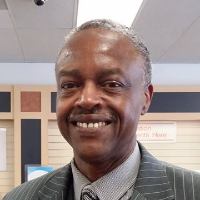
Willie Whited, LCSW, CSW
Licensed in Georgia · 31 years in practice
Willie Whited is a Licensed Clinical Social Worker (LCSW) based in Georgia with more than three decades of experience in mental health.
License and registration
- LCSW, Georgia
- CSW002541 · expires September 2026
- NPI
- 1568493906 · national provider identifier
- Years in practice
- 31
- Languages
- English
Details are as listed on the therapist's public professional profile. You can check any license with the state board and any NPI with the national registry.
About Willie
Willie Whited is a Licensed Clinical Social Worker (LCSW) based in Georgia with more than three decades of experience in mental health. He holds a master’s degree in Guidance and Counseling and has spent much of his career helping people facing serious and persistent mental health challenges. He has also worked with individuals who have both mental health and substance use concerns.
Over the years he has supported adults through conditions like depression, bipolar disorder, anxiety, and addiction.
Background and approach
He has ten years of experience working with children and adolescents in community settings and facilities. His background includes recognition for work with co-occurring disorders and studies with the Morehouse School of Medicine Community Health Leadership Program. His way of working starts with listening to what each person needs and what motivates them.
He uses an eclectic mix of methods that are chosen to match the problem at hand. Cognitive Behavioral Therapy is a common element in his sessions, alongside approaches that focus on attachment and acceptance. Sessions tend to focus on concrete steps people can try between meetings.
He helps clients name patterns, manage emotions, and build habits that support daily life. Topics he addresses include stress, grief, self-esteem, relationship and intimacy issues, parenting strains, sleeping problems, and coping with life changes. Willie aims to guide people toward clearer purpose and more stable routines.
He frames change as a step-by-step process and works collaboratively to set realistic goals. Those interested in working with him will find a steady, experienced clinician who emphasizes practical strategies and personal growth.
Focus areas and approaches
Everything Willie lists on their public professional profile, in their own terms.
- Stress, Anxiety
- Addictions
- Trauma and abuse
- Bipolar disorder
- Depression
- Relationship issues
- Family conflicts
- Grief
- Intimacy-related issues
- Sleeping disorders
- Parenting issues
- Anger management
- Self esteem
- Coping with life changes
- ADHD
- Abandonment
- Attachment issues
- Co-morbidity
- Codependency
- Commitment issues
- Dependent personality
- Drug and alcohol addiction
- Emptiness
- Forgiveness
- Guilt and shame
- Impulsivity
- Infidelity
- Isolation / loneliness
- Jealousy
- Life purpose
- Men's issues
- Veteran and Armed Forces Issues
- Mood disorders
- Multicultural concerns
- Obsessions, compulsions, and OCD
- Panic disorder and panic attacks
- Paranoia
- Post-traumatic stress
- Self-harm
- Self-love
- Social anxiety and phobia
- Somatization
- Young adult issues
Approaches Willie names
- Acceptance and Commitment Therapy (ACT)
- Attachment-Based Therapy
- Client-Centered Therapy
- Cognitive Behavioral Therapy (CBT)
- Dialectical Behavior Therapy (DBT)
- Emotionally-Focused Therapy (EFT)
- Existential Therapy
- Mindfulness Therapy
- Motivational Interviewing
- Psychodynamic Therapy
- Solution-Focused Therapy
- Trauma-Focused Therapy
Naming an approach is not evidence of training in it. This directory copies what each therapist lists and does not check training records.
Online support
Approach-driven care delivered online
Willie commonly uses Acceptance and Commitment Therapy and Attachment-Based Therapy alongside client-centered methods. Acceptance and Commitment Therapy focuses on helping people notice difficult thoughts and feelings without getting stuck in them, and it can be useful for anxiety, depression, and getting unstuck from unhelpful patterns. Attachment-Based Therapy looks at how early relationships shape current trust, closeness, and relationship patterns, which can help with intimacy issues, abandonment concerns, and emotional regulation. Client-Centered Therapy emphasizes listening and creating a supportive, nonjudgmental space so people can find their own solutions and build motivation for change.Choosing the right approach is a collaborative process. The therapist will talk with each person about goals, symptoms, and preferences, then suggest methods to try. Plans can change as progress is made, and techniques are adapted to fit what helps most.
Online sessions are offered by video calls, phone sessions, live chat, and text-based messaging to provide flexibility. Video calls allow face-to-face conversation and visual cues. Phone sessions use less bandwidth and can fit into a short break from work. Live chat or text messaging can work for quick check-ins, sharing thoughts between sessions, or when typing feels easier than speaking. These options make it easier to get consistent care while balancing daily life.
We will earn a commission if you sign up through our link, at no cost to you. It does not change what you pay or the order of the listings.
Questions people ask
What concerns does Willie commonly address?
He helps people with stress, anxiety, depression, bipolar disorder, addictions, trauma, relationship and intimacy issues, parenting challenges, grief, sleep problems, ADHD, and related concerns.
How would you describe his therapeutic style?
He uses an eclectic, client-centered style that matches methods to each person's needs, often including Cognitive Behavioral Therapy and attachment-focused work.
What is his professional background?
He has over 31 years in mental health, a master’s degree in Guidance and Counseling, and experience with serious mental illness and co-occurring mental health and substance use conditions.
Where is he licensed and based?
He is a Licensed Clinical Social Worker in the state of Georgia and practices there.
Are sessions available in other languages or internationally?
Sessions are offered in English, and international clients are not currently accepted.
What formats are used for sessions?
He meets by video calls, phone sessions, live chat, and text-based messaging to suit different needs and schedules.
How is cost handled for sessions?
Cost varies by location and therapist availability; sessions use a subscription model that can be canceled at any time.
How do I begin working with him?
Start by selecting the Start Therapy button, completing a short matching questionnaire, and then scheduling according to therapist availability.
More therapists in Georgia
See allDr. Kerene Brown
LICSW, LCSW, CSW
Practical, compassionate support for life transitions
- Stress, Anxiety
- Trauma and abuse
- Self esteem
Remmawii (Karuna) Kristjanson
LCSW, CSW
Compassionate support for trauma and addiction recovery
- Addictions
- Relationship
- Trauma and abuse

Lawanna Barron
LCSW, CSW
Experienced Georgia LCSW focused on practical support
- Stress, Anxiety
- Career
- Depression

Mary Smith Tyler
LCSW, CSW
Compassionate social worker focusing on relationships
- Relationship
- Family
- Parenting
Is this your profile?
Ask us to correct details or take the page down.
Contact us