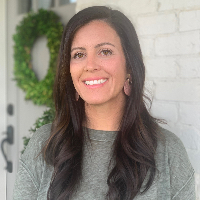
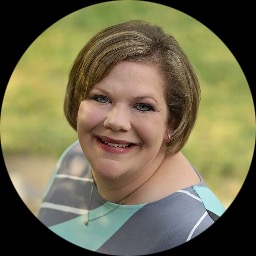
Maria Wilson
LCSW
Compassionate, practical therapy for stressed parents and adults
- Stress, Anxiety
- Relationship
- Family
Clinical social work directory
247 Licensed Clinical Social Workers in this directory hold a license issued in Indiana. Sessions are online; a therapist can usually only see people in the states where they hold a license, so check the license panel on each profile.
Welcome if you are looking for online therapy options in Indiana. All therapists listed here hold a licensed clinical social worker (LCSW) credential; explore profiles to learn about their focus areas, approaches, languages, and experience.
LCSW
Compassionate, practical therapy for stressed parents and adults
LCSW
Compassionate social worker focused on practical change
LCSW
Compassionate help for emotional crossroads
LCSW
Therapist focused on practical coping skills
LCSW
Calm, practical support through life changes
LCSW
Compassionate social worker for practical change
LCSW
Compassionate care for stress and life changes
LCSW
Calm, practical support for real-life challenges
LCSW
Practical, strengths-based help for life’s hard moments
LCSW
An experienced, steady guide for emotional change
LCSW
Compassionate clinician focused on practical healing
LCSW
Practical support for stress and relationships
LCSW
Affirming social work for LGBTQ+ and mood concerns
LCSW
Practical support for stress and life changes
LCSW
Calm, practical support for trauma and relationships
LMFT, LCSW
Compassionate, practical therapy for real-life change
LCSW
Calm practical therapy for real-life problems
LCSW
Practical support for stress and relationship struggles
LCSW
Compassionate, practical support for life’s hard moments
LCSW
Practical support for stress and relationships
LCSW
Compassionate, practical support for emotional recovery
LCSW
Compassionate, practical help for stress and addiction
LCSW
Client-centered therapy for practical change
LCSW
Compassionate, practical support for everyday struggles
LCSW
Compassionate, practical counseling for life’s hard moments
LCSW
Compassionate trauma and anxiety support
LCSW
Compassionate support for steady, practical change
LCSW
Calm, practical therapy for life’s big challenges
LCSW
Calm, practical support for stress and trauma
LCSW
Caring, practical therapy for real-life struggles
LCSW
Practical support for anxiety, trauma, and addiction
LCSW
Practical support for change and grief recovery
LCSW
Practical support for relationship and trauma healing
LCSW
Practical strategies for trauma and life stress
LCSW
Calm, practical support for everyday struggles
LCSW
Compassionate, experienced social worker
LMSW, LCSW
Practical support for anxiety and life change
LCSW
Calm, practical support for life’s hard moments
LCSW
Calm, practical therapy for everyday struggles
Some links on this page are partner links. We will earn a commission if you sign up through one, at no cost to you. It does not change what you pay or the order of the listings.
Online therapy with licensed clinical social workers (LCSWs) has become a common pathway for Hoosiers seeking clinical help that fits their schedules and geography. An LCSW is a clinician who completed a master of social work degree, a state-set period of supervised post-graduate clinical experience, and a clinical licensing exam. The license is issued and renewed by Indiana's state licensing authority, and the scope of practice and title are set at the state level. Because this directory focuses specifically on LCSWs, every profile shows that credential so you can identify clinicians who meet that licensure standard.
In Indiana, many LCSWs offer online sessions to reach people across cities, suburbs, and rural areas. Online sessions can mean video, phone, or other web-based meeting formats, and each LCSW chooses how they provide services within the rules of their license and the state. If you are considering remote sessions, understanding what an LCSW brings to clinical work - especially the profession's emphasis on a person-in-environment perspective - helps you decide whether that credential aligns with the support you want.
When you work with an LCSW online you can often reduce travel time and access clinicians who are located outside your immediate area. For many people, remote sessions allow scheduling that better matches work, caregiving responsibilities, or education. An LCSW's training typically includes attention to how life circumstances such as housing, employment, family systems, finances, and community resources affect mental health. That person-in-environment lens makes online conversations especially useful when you want help that considers both internal experience and external conditions.
Online sessions can also give you more options if you need a clinician who speaks a particular language or who lists experience with specific focus areas. Because you are not limited by distance, you can review profiles for clinicians who list relevant experience, approaches they use, and languages they speak. Before starting, confirm the technical requirements, session length, and how the clinician handles documentation and billing so you know what to expect. Choosing an LCSW who explains how they address environment-related concerns can be especially helpful if practical problems are central to what you want to work on.
LCSWs in online practice often work with a wide range of concerns that overlap with both clinical symptoms and life circumstances. You will find clinicians who list experience with mood issues such as depression and anxiety, relationship and family challenges, stress related to work or caregiving, grief and loss, transitions like relocation or job change, and trauma-related concerns. Many LCSWs also indicate experience helping people navigate social and economic challenges that affect well-being, including housing instability, unemployment, access to community supports, and interactions with school or justice systems.
When you review profiles, you can look for clinicians who list focus areas that match your priorities. Keep in mind that a credential alone does not describe a clinician's approach. Profiles often note the kinds of situations a clinician commonly addresses, the age groups they work with, and languages they speak. If environmental factors such as family dynamics, workplace stress, or community resources matter to your situation, an LCSW's training in person-in-environment assessment may be particularly relevant. That perspective helps you and your clinician look at symptoms and the practical contexts that contribute to them together.
Verifying that a clinician holds an active LCSW license in Indiana is a straightforward step you can take before you begin sessions. Start by collecting identifying details from the profile such as the clinician's full name and any license number that may be listed. Use the Indiana state licensing search tool provided by the licensing authority to look up the clinician by name or license number. The search tool typically shows license status, expiration date, and any disciplinary actions that are part of the public record.
If the online search results are unclear, you can contact the state licensing agency by phone or email for assistance. Ask for confirmation of the current license type and status and whether the license includes any public disciplinary history. Remember that license titles and the exact processes vary by state, so the licensing entry should explicitly list LCSW or the equivalent title used in Indiana. Keeping a copy of the license information or noting the license status and expiration date in your records can be useful for future reference.
To begin, gather information that helps you match what you need with what a clinician lists on their profile. Think about the issues you want to address, whether language matters, and whether you prefer a clinician who emphasizes practical supports alongside clinical work. When you contact a clinician to learn more, ask about session length, typical techniques they describe on their profile, documentation practices, and payment methods. It is appropriate to ask whether they accept certain insurance plans or offer sliding scale fees. Establish how they handle emergencies and what steps they recommend if you need urgent help outside of scheduled times. Before a first session, set up a quiet quiet space at home with a reliable internet connection and test your device so you can focus on the conversation without technical interruptions.
Choosing a therapist is a personal decision and there are several practical factors you can use to narrow options. Look for clinicians who list experience with the issues you want to address and who describe the age groups or populations they work with. Consider language and cultural match if that matters to you, and note the years of clinical experience or supervision history listed in a profile. Pay attention to whether a clinician highlights the person-in-environment perspective if addressing life circumstances alongside internal experiences is important to you. You can also review how clinicians describe their approach, remembering that a listed approach indicates what they use in practice rather than a formal certification or outcome guarantee.
Finally, trust your initial impressions and practical fit. Think about session logistics such as hours, technology platforms they mention, cancellation and payment policies, and how they handle documentation and records. If a clinician's profile or initial conversation leaves you unsure, you may find it helpful to look at additional profiles to compare credentials, approaches, languages, and experience. Taking these steps helps you connect with an LCSW whose clinical background and practical arrangements align with your needs so you can begin meaningful work on the concerns that brought you here.