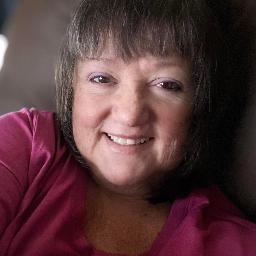
Ann Stancil, LCSW
Licensed in Indiana · 17 years in practice
Ann Stancil is a licensed clinical social worker who helps people facing stress, anxiety, depression, grief, and life changes.
License and registration
- LCSW, Indiana
- 34007759A · expires April 2026
- NPI
- 1639057128 · national provider identifier
- Years in practice
- 17
- Languages
- English
Details are as listed on the therapist's public professional profile. You can check any license with the state board and any NPI with the national registry.
About Ann
Ann Stancil is a licensed clinical social worker who helps people facing stress, anxiety, depression, grief, and life changes. She keeps a steady, nonjudgmental approach and focuses on practical steps people can use each day. Ann aims to make conversations direct and easy to follow for a worried parent reading on a phone.
Ann trained at Indiana University Northwest and has 17 years of experience in behavioral health settings. She spent many years working in a community behavioral health center and has supported people across a wide age range.
Background and approach
That experience includes helping people manage mood disorders such as bipolar disorder and common concerns like anxiety and substance use. Her work addresses trauma, grief, relationship and intimacy issues, self-esteem, and parenting strains. Ann also focuses on concerns such as attachment and blended family issues, guilt and shame, impulsivity, and end-of-life counseling.
She pays attention to cultural and multicultural concerns and to questions around gender identity. In sessions she uses straightforward, evidence-informed methods. Client-Centered Therapy helps people set goals and use their own strengths.
Cognitive Behavioral Therapy (CBT) offers tools to change unhelpful thinking and behavior. Dialectical Behavior Therapy (DBT) adds skills for emotion regulation and coping under stress. Ann offers short-term practical strategies and longer-term coping plans.
She works with each person to set clear goals and check progress over time. Conversations are meant to be collaborative, focused, and tailored to what the person hopes to change.
Focus areas and approaches
Everything Ann lists on their public professional profile, in their own terms.
- Stress, Anxiety
- Family conflicts
- Trauma and abuse
- Self esteem
- Depression
- Addictions
- LGBT
- Relationship issues
- Grief
- Intimacy-related issues
- Parenting issues
- Anger management
- Bipolar disorder
- Coping with life changes
- Attachment issues
- Blended family issues
- Co-morbidity
- Disruptive Mood Dysregulation Disorder (DMDD)
- Drug and alcohol addiction
- Family problems
- Forgiveness
- Gender dysphoria
- Guilt and shame
- Hospice and end-of-life counseling
- Impulsivity
- Infidelity
- Life purpose
- Veteran and Armed Forces Issues
- Multicultural concerns
- Panic disorder and panic attacks
- Personality disorders
- Polyamory / non-monogamous relationships
- Post-traumatic stress
- Self-harm
- Self-love
- Sexual assault and abuse
- Social anxiety and phobia
- Young adult issues
Approaches Ann names
Naming an approach is not evidence of training in it. This directory copies what each therapist lists and does not check training records.
Online support
How Ann Uses Approaches Online
Client-Centered Therapy focuses on the person’s goals and strengths and centers sessions around what matters most to them. This approach helps with building motivation, improving self-esteem, and setting practical steps toward change.CBT, or Cognitive Behavioral Therapy, breaks problems into thoughts, feelings, and actions. It gives concrete tools to change unhelpful thinking and behavior, which can be useful for anxiety, depression, and stress management.
DBT, Dialectical Behavior Therapy, teaches skills for emotion regulation, distress tolerance, and better interpersonal interactions. It is helpful when emotions feel overwhelming or when someone needs clearer coping strategies.
Finding the right approach is part of the work together. Ann will talk with each person about goals, preferences, and what has or hasn’t helped before. She will then suggest strategies and adapt methods as progress and needs evolve.
Online therapy options include video calls, phone sessions, live chat, and text-based messaging, which make it easier to fit sessions into busy lives. Video calls are good for face-to-face conversation, phone sessions can work when bandwidth is limited, and chat or text options allow brief check-ins or ongoing support between meetings.
We will earn a commission if you sign up through our link, at no cost to you. It does not change what you pay or the order of the listings.
Questions people ask
What issues does Ann commonly address?
She helps people with stress, anxiety, depression, grief, trauma, addictions, relationship and intimacy-related issues, parenting concerns, and coping with life changes.
What is her general therapy style?
Her style is straightforward and nonjudgmental. She uses practical tools and collaborative goal setting to make therapy useful day to day.
How much experience does she have?
Ann has 17 years of experience working in behavioral health settings, including long-term work at a community behavioral health center.
What are her credentials and where is she based?
She holds the credential LCSW, which indicates a licensed clinical social worker, and practices in Indiana.
Which languages are supported in sessions?
Sessions are offered in English.
How are online sessions conducted?
She offers video calls, phone sessions, live chat, and text-based messaging to fit different communication needs and schedules.
How is cost handled for sessions?
Cost varies with location and therapist availability; sessions use a subscription that can be canceled at any time.
What is the process to start therapy?
Begin by selecting the Start Therapy button, complete a short matching questionnaire, and then schedule sessions according to therapist availability.
More therapists in Indiana
See allMaria Wilson
LCSW
Compassionate, practical therapy for stressed parents and adults
- Stress, Anxiety
- Relationship
- Family
Lynnette Thomas
LCSW
Compassionate social worker focused on practical change
- Stress, Anxiety
- Relationship
- Trauma and abuse

Is this your profile?
Ask us to correct details or take the page down.
Contact us