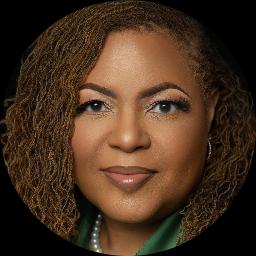
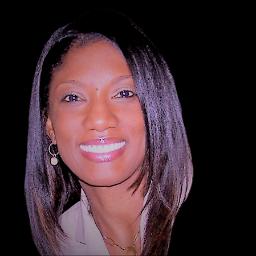
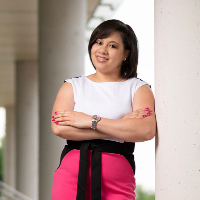
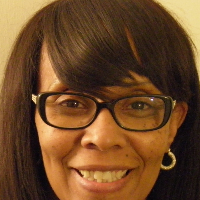
Latisha Trottie
LCSW
Practical support for anxiety and trauma recovery
- Stress, Anxiety
- Addictions
- Trauma and abuse
Clinical social work directory
247 Licensed Clinical Social Workers in this directory hold a license issued in Virginia. Sessions are online; a therapist can usually only see people in the states where they hold a license, so check the license panel on each profile.
Welcome to our Virginia directory for online therapy with licensed clinical social workers (LCSWs).
All listed therapists hold a Virginia clinical social work license; explore profiles to review their background, focus areas, languages, and approaches to find a good fit.
LCSW
Practical support for anxiety and trauma recovery
LCSW
Gentle, practical support for life transitions
LCSW
Calm practical support for life changes
LCSW
Supportive LCSW focused on practical change
LCSW
Compassionate practical therapy for life changes
LCSW
Therapist blending practical skills with compassionate support
LCSW
Compassionate, practical support for mood and trauma
LCSW
Experienced LCSW helping people through trauma and change
LCSW
Compassionate support for stress and trauma recovery
LCSW
Compassionate listener helping people find steadiness
MD, LCSW-C, LCSW
Compassionate therapist guiding practical change
LCSW
Compassionate, practical therapy for stress and relationships
LCSW
Calm, practical support for daily emotional strain
LCSW
Practical support for stress and relationship strain
LCSW
Practical support for stress and relationships
LCSW
Compassionate, practical support for everyday distress
LCSW, CSW
Compassionate social worker helping people through life transitions
LCSW
Practical support for stress and relationships
LCSW
Compassionate social worker focused on practical change
LCSW
Compassionate, practical therapy for everyday struggles
LCSW
Compassionate, practical support for everyday challenges
LCSW
Compassionate therapy and practical coaching
LCSW
Compassionate, practical support for everyday challenges
LCSW
Practical, strengths-based help for life transitions
LISW, LCSW
Compassionate, skill-focused therapy for life’s challenges
MD, LCSW-C, LCSW
Experienced clinician for mood and relationships
LCSW
Practical, strength-based support for change
LCSW
Calm, practical support for daily challenges
LCSW, LISW
Calm, practical support for everyday struggles
LCSW
Compassionate support for trauma and life transitions
LCSW
Compassionate, practical support for life’s toughest moments
LICSW, LCSW
Practical, direct support for stress and relationships
LCSW
Support for stress, relationships, and self worth
LCSW, LICSW
Empathetic LCSW supporting practical change
LICSW, LCSW
Practical, steady support for stress and anxiety
Some links on this page are partner links. We will earn a commission if you sign up through one, at no cost to you. It does not change what you pay or the order of the listings.
If you are looking for online therapy in Virginia, therapists who hold a licensed clinical social worker credential offer clinical services through virtual platforms as part of their practice options. An LCSW holds a master of social work degree, has completed a period of supervised post-graduate clinical experience - commonly around two to three years and several thousand hours depending on state rules - and has passed a clinical licensing examination. The license is issued and renewed by the Virginia board that regulates clinical social work, and it defines whether a clinician may practice within the state. Many LCSWs list online sessions among their service formats, and that option can increase the number of therapists you can consider while ensuring you are working with someone licensed to practice in Virginia.
When evaluating online care, keep in mind that licensure is tied to the state where the therapist practices and to the state where you are located during a session. Because rules and scopes of practice vary by jurisdiction, LCSWs who provide online sessions in Virginia do so under the oversight of the Virginia licensing board. Reviewing a clinician's profile will help you understand their training, focus areas, languages spoken, and any special populations they serve, so you can narrow choices based on the factors that matter to you.
Online therapy can make it easier to connect with a licensed clinical social worker when in-person visits are difficult due to distance, mobility needs, or scheduling constraints. For people across Virginia - from rural counties to urban centers - virtual sessions reduce travel time and make regular care more feasible. An LCSW's person-in-environment perspective can be especially helpful when you want support that considers practical factors like housing, employment, family dynamics, and access to community resources alongside emotional and mental health concerns.
You may find that online sessions allow you to maintain continuity of care during life transitions such as relocation, medical recovery, or work changes. Because many LCSWs list multiple approaches and focus areas in their profiles, you can look for clinicians who describe experience with the kinds of challenges you face. Language options and cultural background are often included in profiles, which may help you identify someone who communicates in your preferred language or understands your cultural context. Finally, online therapy often makes it easier to coordinate with other professionals in your life, such as primary care providers or school staff, when that coordination is part of the support you need.
Licensed clinical social workers who offer online sessions in Virginia commonly work with people facing a wide range of concerns. You can expect to find LCSWs who list experience supporting people with depression, anxiety, grief and loss, trauma-related concerns, relationship and family challenges, and stress related to work and caregiving responsibilities. Because social work training emphasizes the interaction between an individual and their environment, LCSWs also help with practical problems that affect wellbeing, such as housing instability, access to benefits, employment-related stress, and navigating community supports.
Many LCSWs integrate attention to daily living needs and systems-level barriers into clinical conversations, helping you identify steps and resources outside of therapy that can make a difference. If you are managing chronic health issues, caring for aging relatives, or juggling parenting and work, an LCSW offering online sessions can address both the emotional impact and the practical strategies that influence your quality of life. Profiles often indicate focus areas and populations served, so you can review how a clinician frames their experience in relation to the issues you want to address.
Before you start online sessions with a clinician who holds an LCSW, it makes sense to confirm that the license is active and issued for clinical social work in Virginia. The Virginia board that oversees social work maintains a public license lookup where you can search by name or license number to view basic information. Typical items available through the board are the license type, issue and expiration dates, and any public disciplinary records. Verifying this information helps ensure the clinician is authorized to practice clinical social work under Virginia rules.
When you review a license, look for the designation that indicates clinical practice authority and note the license status. Public records may also include any limits on practice and whether disciplinary actions have been recorded. If you have questions about what you find, the licensing board can provide guidance about interpreting public records. Because licensure requirements and renewal procedures are administered by the state board, the license entry is the official source for a clinician's standing rather than profile text alone.
The license entry can show when the credential was first issued and whether it is current. If you see a recent issuance date, it can mean the clinician achieved clinical licensure more recently, while a longer history may reflect extended clinical experience. Public disciplinary history, when present, is documented and explained through the board. While this information does not speak directly to clinical fit, it provides an objective view of licensure status that complements what therapists describe in their profiles.
To begin, think about the outcomes you want from online sessions and the practical factors that matter to you. Consider whether you prefer short-term skill-building or ongoing therapy, whether language or cultural competence is important, and whether you need a clinician with experience addressing specific life circumstances such as parenting, workplace stress, or chronic illness. Use therapist profiles to match those priorities against focus areas, approaches listed, and any notes about populations served.
When you reach out to a clinician, it is reasonable to ask about general logistics such as session length, typical fees, payment methods, whether they accept your insurance, and the technology they use for online sessions. You can also ask how they typically structure work on the issues you described and what a few initial sessions might look like. It is helpful to inquire about emergency planning - how they suggest you proceed if you have a safety concern between sessions - since online care requires clear plans for crisis response that conform to Virginia rules and local emergency services.
Choosing a therapist is a personal decision and you may prioritize different things at different times. Look for clinicians who explicitly state experience with the areas you want to address and who communicate in a way that feels understandable and respectful. Pay attention to the languages listed, the populations they highlight, and how they describe their approach to working with clients. Because social work education emphasizes the person-in-environment perspective, an LCSW may offer a balance of clinical insight and practical problem-solving that suits situations where external circumstances play a large role in wellbeing.
If you find a clinician whose profile aligns with your needs, the first few sessions can serve as a trial period to assess fit. Notice how the clinician listens, whether they acknowledge the context around your concerns, and whether their suggested next steps feel realistic for your life. It is appropriate to seek a different clinician if the match does not feel right for you. Prioritize clear communication about expectations, and choose a clinician whose style and focus support the goals you have set for online sessions.
Online therapy with an LCSW in Virginia can be an accessible option that brings clinical expertise together with attention to the practical factors that shape daily life. By reviewing licensed clinicians' profiles, verifying licensure through the Virginia board, and clarifying your priorities and logistics up front, you can find a clinician whose background and approach fit your needs. Take your time to review profiles and ask questions so you feel confident moving forward with online care that suits your circumstances.