
Katherine Rowe, LCSW
Licensed in Virginia · 20 years in practice
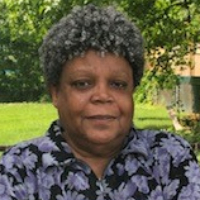
Katherine Rowe greets people with calm steadiness and practical help.
License and registration
- LCSW, Virginia
- 0904007518 · expires June 2026
- NPI
- 1760720742 · national provider identifier
- Years in practice
- 20
- Languages
- English
Details are as listed on the therapist's public professional profile. You can check any license with the state board and any NPI with the national registry.
About Katherine
Katherine Rowe greets people with calm steadiness and practical help. She is a licensed clinical social worker with 20 years of experience in Virginia. She focuses on everyday problems that pile up - stress, anxiety, grief, sleeping trouble, and challenges around parenting and relationships.
Her approach is down-to-earth and aimed at making life more manageable. Katherine draws on several therapy methods to match each person’s needs. She uses Cognitive Behavioral Therapy to identify unhelpful thinking and change behaviors.
Background and approach
She employs Acceptance and Commitment Therapy to help people clarify values and take steps that matter to them. For clients with trauma, she incorporates techniques that address distressing memories and reduce their hold on day-to-day life. Sessions are practical and goal-focused.
People can expect work on coping skills, emotion regulation, sleep routines, and communication strategies that fit real life. Katherine also helps when addictions, depression, bipolar symptoms, or compassion fatigue make daily tasks harder. Her background includes two decades of clinical work in a range of settings.
That experience informs a flexible style that mixes evidence-based tools with paced, person-centered conversations. She aims to create a space where people feel heard and can try new ways of handling problems. Katherine offers services in English and accepts international clients.
She provides care through video calls, phone sessions, live chat, and text-based messaging, and works with clients using a cancelable subscription model.
Focus areas and approaches
Everything Katherine lists on their public professional profile, in their own terms.
- Stress, Anxiety
- Family conflicts
- Trauma and abuse
- Self esteem
- Coping with life changes
- Addictions
- Relationship issues
- Grief
- Sleeping disorders
- Parenting issues
- Career difficulties
- Bipolar disorder
- Depression
- Compassion fatigue
- Abandonment
- Adoption and foster care
- Attachment issues
- Blended family issues
- Caregiver issues and stress
- Co-morbidity
- Communication problems
- Coping with natural or human-caused disaster
- Dependent personality
- Divorce and separation
- Domestic violence
- Drug and alcohol addiction
- Family of origin issues
- Family problems
- First responder issues
- Forgiveness
- Guilt and shame
- Infidelity
- Isolation / loneliness
- Life purpose
- Midlife crisis
- Veteran and Armed Forces Issues
- Mood disorders
- Panic disorder and panic attacks
- Postpartum depression
- Post-traumatic stress
- Self-harm
- Self-love
- Sexual assault and abuse
- Social anxiety and phobia
- Somatization
- Women's issues
- Workplace issues
Approaches Katherine names
- Acceptance and Commitment Therapy (ACT)
- Attachment-Based Therapy
- Cognitive Behavioral Therapy (CBT)
- Dialectical Behavior Therapy (DBT)
- Eye Movement Desensitization and Reprocessing (EMDR)
- Mindfulness Therapy
- Motivational Interviewing
- Narrative Therapy
- Psychodynamic Therapy
- Somatic Therapy
- Trauma-Focused Therapy
- Internal Family Systems
- Systemic Therapy
Naming an approach is not evidence of training in it. This directory copies what each therapist lists and does not check training records.
Online support
How therapeutic approaches fit into online care
Acceptance and Commitment Therapy, or ACT, helps people notice painful thoughts without getting stuck and then choose actions that match their values. It is often used when anxiety, grief, or life changes make it hard to move forward. Cognitive Behavioral Therapy, or CBT, breaks problems into thoughts, feelings, and behaviors so people can try specific changes that ease symptoms like insomnia or low mood. EMDR, used for trauma, involves structured processing of distressing memories to reduce their intensity and the emotions that follow them.Finding the right approach is part of the work. The therapist will discuss options and collaborate with each person to pick methods that match their goals and preferences. This helps sessions feel useful and tailored rather than one-size-fits-all.
Online formats make that collaborative work easier to fit into a busy life. Video calls allow face-to-face conversation when visual cues help. Phone sessions can be a good option when bandwidth is limited or when someone prefers not to be on camera. Live chat and text-based messaging suit short check-ins, homework support, or times when writing feels easier than speaking. These options give flexibility for ongoing skill practice and steady progress.
We will earn a commission if you sign up through our link, at no cost to you. It does not change what you pay or the order of the listings.
Questions people ask
What concerns does Katherine commonly address?
She helps people facing stress, anxiety, trauma and abuse, grief, sleep problems, parenting challenges, relationship strain, addiction, depression, bipolar disorder, and compassion fatigue.
What is her general therapeutic style?
Her sessions are practical and goal-focused, mixing skill teaching with paced conversation to help people try new ways of coping and communicating.
How long has she been working in mental health?
She brings 20 years of professional experience in clinical settings, which shapes a flexible, experience-informed approach to care.
What credentials and location are listed for this therapist?
She is a licensed clinical social worker (LCSW) practicing in Virginia.
Which languages and international options are available?
Sessions are offered in English and she accepts international clients.
What session formats are offered?
Therapy is available by video calls, phone sessions, live chat, or text-based messaging to suit different needs and schedules.
How does cost and payment work?
Costs vary by location and therapist availability; sessions use a subscription model that can be canceled at any time.
How do I begin working with her?
Click the Start Therapy button, complete a short matching questionnaire, and schedule sessions according to therapist availability.
More therapists in Virginia
See all
Dr. Kayla Thorne
LCSW
Supportive LCSW focused on practical change
- Stress, Anxiety
- Trauma and abuse
- Self esteem

Delores Smith
LCSW
Compassionate practical therapy for life changes
- Stress, Anxiety
- Relationship
- Grief

Is this your profile?
Ask us to correct details or take the page down.
Contact us