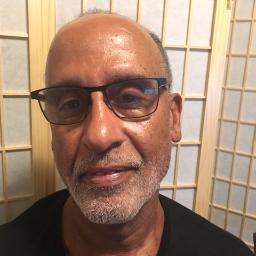
Stephen Weiss
LICSW, LCSW
Calm, steady support for life’s hard changes
- ADHD
- Stress, Anxiety
- Addictions
Clinical social work directory
2,418 therapists list adhd among the things they work with. All offer sessions online, and every profile shows the registering body, the membership number and when it runs to.
Find licensed clinical social workers (LCSWs) who list ADHD among their focus areas. Browse the profiles below to review credentials, approaches, languages, and experience to help identify a good match.
LICSW, LCSW
Calm, steady support for life’s hard changes
LCSW
Compassionate social worker focused on practical change
LCSW
Compassionate therapist helping people build stronger coping skills
LCSW
Restorative, practical therapy for everyday challenges
LCSW
Compassionate, practical therapy for addiction and mood issues
LCSW
Compassionate social worker focused on real-life change
Experienced social worker and clinician
LICSW, LCSW, CSW
Practical, compassionate support for life transitions
LCSW
Practical, relationship-focused mental health support
LCSW
Practical, steady care from an experienced LCSW
LCSW
Compassionate, practical support for life challenges
LCSW
Practical support for stress and relationships
LCSW, CSW
Experienced LCSW focused on practical change
LCSW
Attachment-informed practical therapy for parents and adults
LCSW
Practical, compassionate therapy for life transitions
LCSW
Calm, practical support for daily struggles
LCSW
Compassionate, practical therapy focused on everyday life
LICSW, LCSW
Compassionate social worker who supports change
LCSW
Therapist focused on practical coping skills
LCSW
Calm, experienced therapist focused on practical change
LCSW
Compassionate practical support for everyday challenges
LISW, LCSW, CSW
Compassionate social worker who values practical steps
LCSW
Practical, compassionate support for life changes
LCSW
Experienced LCSW helping people regain balance
Some links on this page are partner links. We will earn a commission if you sign up through one, at no cost to you. It does not change what you pay or the order of the listings.
Attention-deficit/hyperactivity disorder, commonly called ADHD, is a pattern of differences in attention, impulsivity, and activity level that can begin in childhood and continue into adulthood. For you, that might mean persistent difficulty focusing on tasks, frequent forgetfulness, challenges with time management, or a tendency to act before thinking. ADHD shows up differently for everyone - some people experience primarily inattention, others primarily hyperactivity and impulsivity, and many a mix of both.
The effects of ADHD go beyond moment-to-moment attention. You may notice its impact on work performance, school progress, relationships, and everyday routines like managing bills or keeping appointments. Emotional regulation and stress tolerance can feel more fragile when ADHD symptoms are present, and tasks that require sustained mental effort may consistently drain energy. Because ADHD intersects with social, financial, and environmental factors, you may find that addressing only internal coping strategies is not enough; the context around you matters.
When you look for support, it helps to remember that ADHD is about functioning in your life - not a reflection of character. A licensed clinical social worker (LCSW) brings a clinical license plus training that emphasizes person-in-environment perspectives, which means they routinely consider how housing, work, family, community, and access to services affect symptom management and daily functioning.
You might consider seeking help if ongoing attention or impulse challenges interfere with goals you care about. You could notice repeated missed deadlines, chronic procrastination that undermines progress, frequent conflicts with coworkers or family over forgetfulness or interrupting, or trouble organizing daily life despite trying different strategies. If you find tasks that require planning or follow-through overwhelming, or you cycle through bursts of productivity followed by exhaustion, these patterns can signal that targeted support could help.
Therapy can also be helpful if ADHD symptoms are affecting your wellbeing indirectly - for example, if you feel persistent shame, anxiety about performance, or repeated relationship strain related to attention difficulties. If you are exploring an ADHD diagnosis or wondering whether past evaluations still apply to your current life stage, you may work with multiple professionals; an LCSW can help you clarify goals for assessment, coordinate with medical prescribers when appropriate, and focus on daily strategies and environment changes that support functioning.
Keep in mind that seeking therapy does not presuppose a diagnosis. You can pursue help to develop practical skills, address the social and occupational consequences of attention differences, and improve routines even as formal diagnostic questions are resolved.
When you begin meeting with a licensed clinical social worker for ADHD-related concerns, the first sessions typically focus on understanding your experience in context. An LCSW will gather information about your history, current routines, work or school demands, relationships, and barriers to care. Because social work training emphasizes the person-in-environment perspective, you can expect discussion of practical circumstances - such as transportation, housing, workplace demands, caregiving responsibilities, and community supports - alongside internal experiences like concentration and emotion.
After assessing your priorities, you and the LCSW will collaborate to set goals tailored to your life. Goals may include developing organization systems, improving time management, reducing procrastination, strengthening relationship skills, or coordinating care with other professionals. Sessions often combine problem-solving, skill practice, and planning for environmental adjustments that reduce friction. If you are a parent or caregiver seeking help for a child or adolescent, the LCSW may spend time with family members to support routines, school communication, and behavior strategies that fit your household.
If you choose online sessions, the basic process mirrors in-person work but uses video, phone, or messaging tools to connect. You and the LCSW can use video meetings to review calendars, share visual tools, and practice organizational strategies together. Online sessions can make it easier to demonstrate how strategies fit into your actual living and working spaces, because you can show planners, apps, or work areas in real time. Platforms used by clinicians follow legal privacy standards and often use encryption to protect information, and many therapists also discuss ways to create a focused environment for sessions - such as headphones and a quiet room - to make the time most effective for you.
Expect the LCSW to adapt interventions to an online format, pacing skill work to match what you can realistically do between sessions. The convenience of remote meetings can make it easier to maintain consistency, and you may find that working from your own environment helps the clinician tailor strategies to your actual routines and constraints.
Treatment approaches in clinical practice vary, and the directory records only the approaches therapists list rather than proving training in a specific method. You may encounter therapists who list cognitive behavioral therapy (CBT) among their approaches, which often focuses on practical skills for organization, planning, and modifying unhelpful patterns that interfere with functioning. Some clinicians list coaching-oriented methods that emphasize executive function strategies - such as time-blocking, task breakdown, and habit formation - while others include family-based or parent coaching approaches when working with children and adolescents.
Beyond specific modalities, many LCSWs emphasize skills training, environmental modification, and resource navigation. Because social work prioritizes the relationship between person and context, an LCSW is likely to explore workplace accommodations, school supports, financial stressors, and community resources as part of care. Mindfulness and acceptance strategies may appear in therapists' descriptions as additional tools to increase focus and reduce reactivity, although the directory notes approaches as listed by therapists rather than certifying specific training.
When you review profiles, notice how clinicians describe the practical elements of their work - whether they emphasize organizational systems, family support, or coordination with other providers. Those descriptions can give you a clearer sense of how an LCSW might help you manage ADHD day to day.
When you evaluate profiles, start with the credential itself. A licensed clinical social worker holds a master of social work degree, has completed a period of supervised post-graduate clinical experience - commonly around two to three years and several thousand hours depending on state requirements - and has passed a clinical licensing examination. Licenses are issued and renewed by individual state boards, so the scope of practice and title can vary by state. Knowing this helps you understand what the credential represents: clinical training plus a state-regulated pathway to practice.
Beyond the credential, consider what kind of experience and orientation match your needs. If you want help with workplace strategies, look for clinicians who mention executive function support and workplace or vocational concerns. If family routines are central, choose an LCSW who lists family or parent-focused work. Pay attention to the languages and cultural competencies listed in profiles if those matter to you. You may also prefer therapists who describe coordination with prescribers when you expect to explore medication management with a psychiatrist or primary care clinician.
Finally, think about practical fit. Consider whether you prefer in-person or online meetings, how you want sessions to balance skills practice and emotional processing, and whether you want a clinician who places more emphasis on resource navigation and systems-level supports. Profiles on this site highlight credentials, approaches therapists list, languages, and professional experience so you can find an LCSW whose background aligns with your goals. Reaching out to a few profiles that feel like a match can help you find the right person to partner with as you manage ADHD in the context of your life.