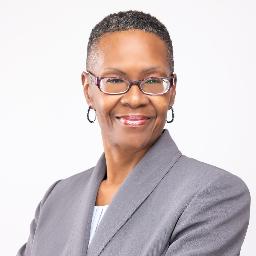
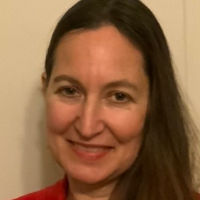
Maria Wilson
LCSW
Compassionate, practical therapy for stressed parents and adults
- Bipolar
- Stress, Anxiety
- Relationship
Clinical social work directory
2,461 therapists list bipolar among the things they work with. All offer sessions online, and every profile shows the registering body, the membership number and when it runs to.
This directory lists licensed clinical social workers (LCSWs) who work with bipolar conditions across the United States. Each profile highlights focus areas, approaches, languages, and professional experience. Browse the listings below to review clinician profiles and learn more about working with an LCSW for bipolar care.
LCSW
Compassionate, practical therapy for stressed parents and adults
LICSW, LCSW
Calm, steady support for life’s hard changes
LCSW
Compassionate social worker focused on practical change
LCSW
Calm guidance for grief, anxiety, and relationship struggles
LCSW
Calm, client-led therapy for lasting change
LCSW
Person-centered care with practical tools
LCSW
Helping people navigate stress and relationship pain
LCSW
Restorative, practical therapy for everyday challenges
LCSW
Practical, strengths-based help for life changes
LCSW
Compassionate, practical therapy for addiction and mood issues
LCSW
Compassionate, practical care for everyday struggles
LCSW
Compassionate social worker focused on real-life change
Experienced social worker and clinician
LCSW
Compassionate, practical therapy for everyday struggles
LICSW, LCSW, CSW
Practical, compassionate support for life transitions
LCSW
Practical, relationship-focused mental health support
LCSW
Practical, steady care from an experienced LCSW
LCSW
Compassionate, practical support for life challenges
LCSW, LISW
Practical, strengths-focused therapy for everyday challenges
LCSW
Practical, steady support for stress and relationships
LCSW, CSW
Experienced LCSW focused on practical change
LCSW
Helping people overcome addiction and relationship strain
LCSW
Compassionate, practical care for mood and life changes
LCSW
Practical, compassionate therapy for life transitions
LCSW
Compassionate, practical support for everyday struggles
LCSW
Practical, skills-focused therapy for life challenges
LCSW
Compassionate, practical therapy focused on everyday life
LICSW, LCSW
Compassionate social worker who supports change
LCSW
Therapist focused on practical coping skills
LCSW
Calm, experienced therapist focused on practical change
LCSW
Compassionate practical support for everyday challenges
LISW, LCSW, CSW
Compassionate social worker who values practical steps
LCSW
Experienced Illinois LCSW helping with mood and relationships
LCSW
Experienced LCSW helping people regain balance
LCSW
Practical support for stress and life transitions
LCSW
Compassionate, practical therapy for life challenges
Some links on this page are partner links. We will earn a commission if you sign up through one, at no cost to you. It does not change what you pay or the order of the listings.
Bipolar is a term used to describe mood patterns that include episodes of elevated mood - often called mania or hypomania - and episodes of low mood, or depression. For many people these mood shifts can affect energy levels, sleep, concentration, motivation, relationships, work, and daily routines. The intensity, duration, and frequency of mood changes vary widely. Some people experience long periods of stability with occasional episodes, while others face more frequent swings.
When you are exploring care, it helps to know that bipolar is experienced differently from person to person. Symptoms may include unusually high energy, reduced need for sleep, rapid thoughts, impulsive decision-making during elevated moods, and persistent sadness, low energy, or hopelessness during depressive periods. Because mood changes intersect with everyday life, an approach that looks at both emotional patterns and your wider circumstances can be especially helpful.
You might consider reaching out to an LCSW if mood shifts are disrupting your relationships, work, schooling, or daily functioning in ways that feel hard to manage on your own. If mood episodes lead to risky decisions, recurring conflicts with family members, trouble maintaining routines, or difficulty managing responsibilities, an LCSW can help you explore practical strategies and supports. You may also seek assistance if you're coping with the emotional impact of a diagnosis, trying to understand mood patterns, or wanting help navigating systems like medical care, housing, employment, or school.
Because LCSWs are trained to consider the person in their environment, you can expect attention to factors beyond symptoms alone. If life stressors such as housing instability, workplace pressures, caregiving demands, or limited access to services are part of what you face, an LCSW can help you address those areas alongside emotional and behavioral goals. This broader view often makes it easier to create realistic plans that fit your day-to-day life.
In your first sessions with an LCSW you can expect a detailed conversation about your history, current goals, mood patterns, and the practical elements of your life that intersect with mental health. The clinician will typically ask about your experiences with mood changes, any prior diagnoses or treatments, medications, family history, work or school situation, housing, and social supports. This intake process is meant to build a collaborative plan rather than deliver a single prescribed response.
Ongoing sessions often combine emotional exploration with concrete problem-solving. You may discuss ways to recognize early signs of mood shifts, develop coping strategies for when symptoms emerge, and plan steps to protect your functioning during high- or low-mood periods. If you are working with prescribers for medication, an LCSW frequently coordinates care by communicating about symptom patterns and treatment goals when you authorize that contact. Expect sessions to balance reflection about feelings with practical skills and connection to community resources when needed.
Because LCSWs hold a clinical social work license that follows state requirements for graduate education and supervised clinical experience, your clinician will bring both clinical knowledge and experience navigating social systems. That training supports a focus on how housing, work, family relationships, and access to services affect mood and recovery efforts. You can ask your LCSW how they typically structure sessions and what kinds of supports they emphasize.
Therapists who hold an LCSW often list a range of approaches among their practice areas. Many LCSWs incorporate strategies that help you manage symptoms across mood cycles, improve day-to-day functioning, and strengthen relationships. Some clinicians emphasize skills-based work aimed at mood stabilization, while others focus on understanding how life events, relationships, and stress influence mood patterns. Because the directory records approaches that clinicians choose to list, you can review profiles to see which methods are emphasized by different LCSWs.
Approaches commonly listed include evidence-informed skill building for mood management, interventions that assist with emotion regulation and routine stabilization, and family- or couple-oriented work to address relational impacts. Some LCSWs note that they provide psychoeducation about bipolar so you and your supports can better recognize mood signs and early warning indicators. Others emphasize case management and system navigation to help with benefits, housing, employment, or coordination with medical providers. When you read profiles, look for clinicians who describe the balance between skill development, supportive conversation, and practical resource connection that fits your priorities.
Online sessions with an LCSW offer a flexible way to engage in mental health care without requiring travel. In an online format you can meet with a licensed clinical social worker from a location that works for you, which can be beneficial if transportation, scheduling, or mobility are constraints. Many clinicians provide video sessions that mirror in-person visits in structure - you will discuss history, current concerns, and collaborate on goals - while also addressing how to manage moods in your home or community environment.
If you choose remote sessions, consider the practical details that affect the experience. Think about where you will sit during sessions to maintain focus and minimize interruptions. Ask clinicians about their approach to emergencies and what local resources they can connect you with if urgent assistance is needed where you live. Because licensing is handled by state boards, online care is typically provided by clinicians licensed to practice in the states where they hold an LCSW. When reading profiles, note the states listed and whether clinicians mention working with clients across state lines, remembering that licensing rules vary by state.
Start by clarifying what matters most to you in treatment. Do you want a clinician who focuses on mood stabilization skills, someone who emphasizes family involvement, or an LCSW who prioritizes coordination with medical providers? Profiles include focus areas, approaches the clinician lists, languages spoken, and years of experience; these details help you identify prospective matches. Because this directory highlights LCSW-credentialed clinicians, you can compare the background that matters to your situation.
Consider practical fit as well as clinical focus. Look for clinicians who mention experience working with people facing similar life circumstances or stressors you recognize in your own life. If you prefer working in a certain format - in-person, video, or a mix - seek clinicians who note that format in their profiles. Pay attention to the ways clinicians describe their work - whether it's more skills-based, relational, or system-navigation oriented - and imagine how that language aligns with your needs. You can also review whether they list languages you speak and whether they note special experience with family, adolescents, or adults, depending on your situation.
Finally, preparation makes first meetings more useful. Bring a list of current concerns, questions about how they work with mood instability, and any relevant treatment history or medication information if applicable. Ask about how they coordinate with prescribers and what supports they provide for crisis planning. Choosing an LCSW is a personal decision, and taking time to match your priorities with a clinician's profile increases the chance of a productive working relationship.
As you review clinician profiles in this directory, focus on the match between what you need and what each LCSW highlights: the balance of clinical methods they list, their experience with social and environmental factors, and the practical formats they use. This information can help you narrow options and find a clinician whose style and focus align with your goals for managing bipolar. The listings below provide a place to begin that search and to learn more about licensed clinical social workers who work with bipolar across the United States.