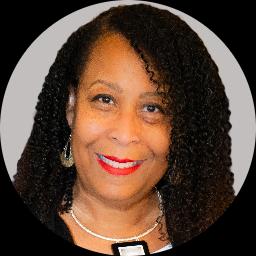
Maria Wilson
LCSW
Compassionate, practical therapy for stressed parents and adults
- Stress, Anxiety
- Relationship
- Family
Clinical social work directory
1,280 therapists list first responder issues among the things they work with. All offer sessions online, and every profile shows the registering body, the membership number and when it runs to.
This page lists licensed clinical social workers (LCSWs) who indicate experience with first responder issues. Browse the profiles below to review focus areas, therapeutic approaches, languages, and professional backgrounds.
LCSW
Compassionate, practical therapy for stressed parents and adults
LCSW
Calm, practical support for everyday mental health
LCSW
Compassionate social worker focused on practical change
LCSW
Calm, client-led therapy for lasting change
LCSW
Experienced LCSW supporting life changes
LCSW
Compassionate therapist helping people build stronger coping skills
LCSW
Restorative, practical therapy for everyday challenges
LCSW
Practical, strengths-based help for life changes
LCSW
Practical, values-focused therapy for life problems
LCSW
Practical, respectful therapy focused on real life
LCSW
Practical, evidence-based support for stress and trauma
LCSW
Calm, practical support for everyday struggles
LCSW
Practical, steady care from an experienced LCSW
LICSW, LCSW
Experienced clinician for stress and trauma
LCSW
Experienced LCSW offering steady, practical support
LCSW, CSW
Compassionate social worker focusing on relationships
LCSW
Helping people overcome addiction and relationship strain
LCSW
Attachment-informed practical therapy for parents and adults
LCSW
Calm, practical support for life’s hard moments
LCSW
Experienced LCSW guiding practical change
LCSW
Practical, skills-focused therapy for life challenges
LCSW
Practical, person-centered support for anxiety and trauma
LCSW, CSW
Practical support for stress and recovery
LCSW
Therapist focused on practical coping skills
LCSW
Experienced Texas LCSW providing steady, practical support
LCSW
Compassionate social work with practical steps
LCSW
Experienced LCSW helping people regain balance
LCSW
Compassionate, practical therapy for everyday struggles
LCSW
Experienced LCSW offering practical, steady support
LCSW
Practical trauma recovery and addiction support
LCSW
Compassionate, practical therapy for everyday struggles
LCSW
Compassionate, practical therapy for life’s hard moments
LCSW
Compassionate therapy for life’s difficult moments
LCSW
Compassionate practical support for everyday struggles
LCSW
Compassionate, practical therapy for life challenges
LCSW
Compassionate, practical therapy for real-life challenges
LCSW
Compassionate, practical therapy for life's hard moments
LCSW
Compassionate practical therapy for everyday struggles
LCSW
Compassionate clinician focused on practical healing
LCSW, CSW
Practical support for stress, relationships, and life change
LCSW
Compassionate, practical support for life’s challenges
Some links on this page are partner links. We will earn a commission if you sign up through one, at no cost to you. It does not change what you pay or the order of the listings.
First responder issues encompass the emotional, behavioral, and practical challenges that arise from regular exposure to crisis, trauma, and high-stress situations in occupations such as emergency medical services, firefighting, law enforcement, and disaster response. These challenges may include persistent stress reactions, sleep disruption, interpersonal strain, moral injury, or difficulty transitioning between work and personal life. When you look for help, an LCSW brings a distinct perspective shaped by social work training. That perspective is often called a person-in-environment approach - it means your circumstances like work demands, housing, family responsibilities, and access to resources are considered alongside your internal experience. For first responders, that can be especially important because job culture, shift work, union or department policies, and community expectations can all influence how symptoms show up and how feasible different supports are.
An LCSW holds a master’s degree in social work, has completed a state-set period of supervised post-graduate clinical experience - commonly two to three years and several thousand hours though this varies by state - and has passed a clinical licensing exam. The license is issued and renewed by the individual state board, and scope of practice and title vary by jurisdiction. That licensure means the professional meets regulatory standards for independent clinical social work in the state where they are licensed, and many LCSWs choose to focus on first responder concerns because of prior experience, research interest, or connections to emergency services.
If you are a first responder or someone close to one, you may notice changes that suggest additional support could help. You might find yourself replaying distressing events, avoiding reminders of a call or callout, or experiencing heightened startle response that interferes with day-to-day functioning. Sleep may be fragmented, or you may rely heavily on alcohol, caffeine, or other coping strategies to manage stress and maintain shift performance. Relationships can feel strained as you withdraw, become irritable, or struggle to connect after demanding shifts. Moral distress - feeling that you could not act in line with your values during an incident - can lead to shame and isolation. You might also face administrative stressors such as workers compensation processes, peer review, or career-related uncertainties that affect well-being.
Choosing to seek help is a personal decision. You do not need to meet a precise checklist to benefit from therapy. If work stress is recurring, causing impairment in your relationships or functioning, or if you find it hard to recover between shifts, meeting with an LCSW who lists first responder issues among their focus areas can give you a place to explore practical coping strategies, access to community resources, and support that connects your personal needs with the realities of your job and life context.
In early sessions an LCSW will typically gather information about your background, job role, exposure history, current symptoms, and social context. Because social work emphasizes person-in-environment, the conversation often covers housing, family or caregiving responsibilities, financial pressures, and workplace factors that affect your mental health. This helps the clinician and you identify priorities that are practical and relevant. You can expect a collaborative discussion about goals - those goals might include reducing sleep problems, managing intrusive memories, improving relationships at home, or finding ways to pace your recovery between shifts.
As you continue, sessions usually blend skills-building, emotional processing, and problem-solving tailored to your needs. You may work on grounding and stabilization strategies that help you manage high-arousal moments at work or after a call. You may practice communication strategies to ease relationship strain or address role conflicts between work identity and family life. An LCSW may also help you navigate systems of care - for example, connecting you with peer support groups, benefits information, or community resources that reduce non-therapeutic burdens. Because social work attends to the environment, this practical linkage is often part of the ongoing plan.
There is no single method that all LCSWs use. Instead you will find clinicians who list a range of approaches among their tools. Some therapists who list cognitive-behavioral approaches focus on identifying and shifting unhelpful patterns of thought and behavior that maintain distress. Others who list trauma-focused methods include practices aimed at processing distressing memories and reducing their intensity. You may also encounter therapists who list mindfulness-based approaches that help you regulate attention and arousal, and those who list narrative or psychodynamic perspectives that explore meaning, identity, and the impact of cumulative stress over a career.
When you review profiles, take note of how a therapist describes their approach. Profiles that indicate experience with occupational exposure, shift work, and emergency service culture can be especially useful because they reflect familiarity with the context you live in. Remember that a listed approach does not guarantee a particular outcome; it simply signals the kinds of strategies a clinician might use. You can ask about how those approaches are adapted to the pace and privacy needs of first responders during an initial conversation.
Online sessions with an LCSW allow you to meet by video or sometimes by phone when video is not feasible. This can be helpful when shift schedules, geographic distance, or transportation barriers make in-person visits difficult. You can expect the structure of online sessions to mirror in-person work in many ways - intake questions, collaborative goal-setting, skills practice, and problem-solving - while also addressing practical concerns such as technology, privacy in your home or car between shifts, and scheduling across time zones. If you prefer in-person meetings, some LCSWs maintain office locations; others offer a mix of options. Because licensing is state-based, confirm that the LCSW holds an active license for the state where you will be physically located during the session.
When you review profiles, compare focus areas, stated experience with first responder populations, languages spoken, and the professional background that resonates with your situation. Look for clinicians who describe working with trauma exposure, occupational stress, shift work, or moral injury if those are central to your concerns. Consider practical matters such as whether they indicate experience with military or public safety culture, or whether they note familiarity with organizational stressors like critical incident debriefing or peer support models. It can be useful to prioritize a clinician whose profile suggests both clinical skill and awareness of the systemic pressures that shape first responder life.
Finally, think about the qualities you want in a clinician - whether you prefer a direct, skills-focused approach, a reflective and meaning-oriented style, or assistance that includes resource navigation. Those preferences matter because they shape the therapeutic relationship. Use the information in profiles to narrow your options, then reach out to learn more about how a clinician frames their work with first responders. That conversation can help you determine whether their approach and experience align with your goals and the realities of your schedule and role.