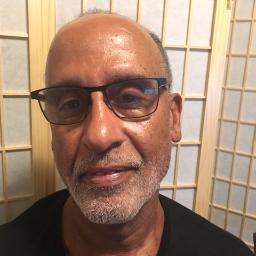
Stephen Weiss
LICSW, LCSW
Calm, steady support for life’s hard changes
- Stress, Anxiety
- Addictions
- Relationship
Clinical social work directory
2,385 therapists list intimacy issues among the things they work with. All offer sessions online, and every profile shows the registering body, the membership number and when it runs to.
This directory highlights licensed clinical social workers (LCSWs) who list intimacy issues among their focus areas. Use the listings below to review LCSW credentials, focus areas, approaches, languages, and experience.
LICSW, LCSW
Calm, steady support for life’s hard changes
LCSW
Compassionate support for addiction and trauma recovery
LCSW
Compassionate social worker focused on practical change
LCSW
Calm guidance for grief, anxiety, and relationship struggles
LCSW
Compassionate guidance for relationship and self issues
LCSW
Experienced LCSW supporting life changes
LCSW
Helping people navigate stress and relationship pain
LCSW
Restorative, practical therapy for everyday challenges
LCSW
Practical, strengths-based help for life changes
LCSW
Compassionate, practical therapy for addiction and mood issues
LCSW
Forward-focused therapist for practical change
LCSW
Compassionate LCSW for practical coping skills
LCSW
Compassionate social worker focused on real-life change
LCSW
Practical support for stress and relationship strain
LCSW
Practical, respectful therapy focused on real life
Experienced social worker and clinician
LCSW
Practical, respectful therapy for everyday struggles
LCSW
Compassionate, practical therapy for everyday struggles
LCSW
Practical, client-focused support for life changes
LCSW
Practical, relationship-focused mental health support
LCSW
Practical, steady care from an experienced LCSW
LCSW, LISW
Practical, strengths-focused therapy for everyday challenges
LCSW
Hopeful, practical therapy for real-life struggles
LCSW
Practical, steady support for stress and relationships
LCSW, CSW
Experienced LCSW focused on practical change
LCSW
Helping people overcome addiction and relationship strain
LCSW
Compassionate, practical support for everyday struggles
LCSW
Practical, skills-focused therapy for life challenges
LCSW
Compassionate, practical therapy focused on everyday life
LICSW, LCSW
Compassionate social worker who supports change
LCSW
Practical, down-to-earth therapy for real life
LCSW
Therapist focused on practical coping skills
LCSW
Calm, experienced therapist focused on practical change
LISW, LCSW, CSW
Compassionate social worker who values practical steps
LCSW
Experienced Illinois LCSW helping with mood and relationships
LCSW
Experienced LCSW helping people regain balance
LCSW
Compassionate, practical therapy for everyday struggles
LCSW
Compassionate, practical therapy for life challenges
LCSW
Practical trauma recovery and addiction support
Some links on this page are partner links. We will earn a commission if you sign up through one, at no cost to you. It does not change what you pay or the order of the listings.
Intimacy issues cover a wide range of concerns that touch how you connect emotionally and physically with others. For some people intimacy problems show up as difficulty trusting a partner, fear of vulnerability, or trouble maintaining closeness. For others the challenge is more specifically sexual - mismatched desire, performance anxiety, pain with intercourse, or changes in libido after life events such as illness, childbirth, or aging. Intimacy can also be affected by relationship conflict, past trauma, attachment patterns established in childhood, or the stresses of daily life that leave little emotional bandwidth for connection.
Because intimacy is embedded in relationships and circumstances, the effects often spill into other areas of life. You might notice decreased satisfaction in your relationship, increased loneliness despite being paired, or avoidance of situations that could deepen closeness. These struggles can feel personal and isolating, but they are common and addressable. Licensed clinical social workers bring a focus on both psychological experience and the broader life context - housing, work, family, finances, and community - which can be especially helpful when intimacy concerns arise alongside practical stresses.
Knowing when to reach out can be unclear. You may want support if you find that worries about closeness interfere with daily functioning or with the quality of your relationships. Repeated cycles of conflict that leave both partners feeling disconnected, persistent sexual concerns that cause shame or avoidance, or a sense that past hurts are repeating in your current relationships are common reasons people seek help. You might also notice that your attempts to talk about needs are repeatedly misunderstood or escalate into arguments, or that you withdraw emotionally to protect yourself from perceived rejection.
Because LCSWs are licensed clinicians who completed a master's degree in social work, a state-set period of supervised post-graduate clinical experience - commonly around two to three years and several thousand hours, varying by state - and a clinical licensing examination, they are equipped to work with complex emotional and environmental factors. If practical issues like work schedules, childcare, or housing are influencing intimacy, an LCSW’s person-in-environment perspective can help you address both the internal and external contributors to the problem.
When you meet with a therapist who holds an LCSW for intimacy concerns, the early sessions often focus on building understanding and safety. You and the clinician will typically spend time mapping the patterns that create distance or conflict, clarifying each person's goals, and identifying practical stressors that shape your interactions. Sessions are likely to include both emotional exploration and concrete problem solving - for example, examining how communication habits arise from past experiences while also practicing new ways to request needs.
A therapist who holds an LCSW will look at your situation in context, asking about work, family dynamics, health, and social supports as part of understanding intimacy issues. You can expect the pace to be collaborative: goals are shaped by what matters to you, and progress is measured by changes in how you relate, rather than a checklist. If trauma, medical concerns, or cultural factors are involved, those topics will be addressed with attention to safety and pacing. Many people appreciate that sessions combine emotional insight with practical steps you can try between appointments.
Therapists who hold an LCSW may list a range of approaches among those they use with intimacy concerns. Some clinicians emphasize attachment-focused work to help you recognize and shift patterns rooted in early relationships. Others incorporate emotion-focused methods that prioritize identifying and expressing underlying feelings in ways that foster connection. There are also relational and systemic approaches that examine how patterns circulate between partners or within families, and somatic-influenced methods that attend to body-based responses related to sex and closeness.
It is important to remember that a listed approach is an indication of what a therapist may draw on, not a guarantee of specific training. If you are curious about a particular method, you can review therapist profiles to see which approaches they list and read descriptions of their experience and specialties. Because intimacy is shaped by life circumstances, many LCSWs integrate culturally informed practice and attention to social determinants of health into their work, helping ensure that therapy fits with your life demands and values.
Online sessions with a therapist who holds an LCSW offer a way to access help from home, from work, or another setting that feels comfortable for you. For many people the convenience of online meetings reduces scheduling friction and makes it easier to include both partners when applicable. Online work can include individual, couple, or family-focused sessions and often mirrors in-person care in structure - check-in, exploration, skill practice, and planning. When working on sexual matters, clinicians usually discuss how to create a safe setting for online conversation and when an in-person referral or coordination with medical providers might be helpful.
When you begin looking through therapist profiles, pay attention to how clinicians describe their experience with intimacy concerns, the populations they mention, and the languages they speak. Look for LCSWs who note experience with the specific issues you face - for example, couples work, desire differences, or trauma-related sexual concerns - and who describe a person-in-environment perspective if you want attention to practical life factors. Consider whether you prefer someone who emphasizes emotion-focused work, relational patterns, or a blend of approaches, and note any cultural or identity competencies that feel important to you.
It can help to read therapists’ statements about their general approach and to compare credentials and licensure details. Remember that the LCSW license indicates a master’s degree in social work plus the supervised clinical experience and exam required by that state’s board; scope of practice and title vary by state. Choosing a clinician you feel comfortable with often matters more than a particular listed approach, so consider how each profile communicates the therapist’s way of working and whether that aligns with your goals. Taking time to consider focus areas, approaches, credentials, languages, and experience will help you identify an LCSW who fits what you need for addressing intimacy issues.