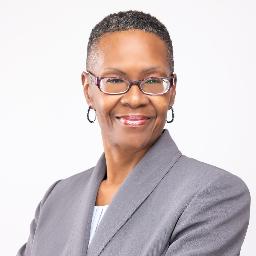
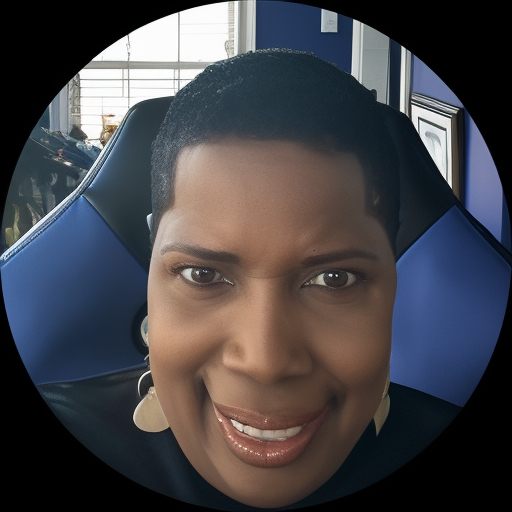
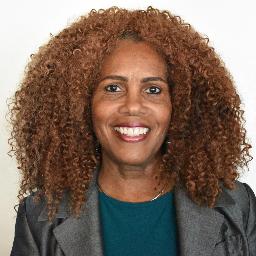
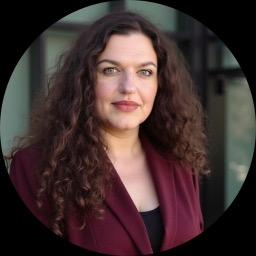
Maria Wilson
LCSW
Compassionate, practical therapy for stressed parents and adults
- Stress, Anxiety
- Relationship
- Family
Clinical social work directory
1,489 therapists list multicultural concerns among the things they work with. All offer sessions online, and every profile shows the registering body, the membership number and when it runs to.
Below you will find licensed clinical social workers (LCSWs) who list multicultural concerns among their practice focuses. Browse the listings to review practitioners' backgrounds, approaches, languages, and experience to find a potential match for your needs.
LCSW
Compassionate, practical therapy for stressed parents and adults
LCSW
Calm, practical support for everyday mental health
LCSW
Compassionate social worker focused on practical change
LCSW
Calm guidance for grief, anxiety, and relationship struggles
LCSW
Compassionate, practical therapy for addiction and mood issues
LCSW
Practical, values-focused therapy for life problems
LCSW
Practical, respectful therapy focused on real life
Experienced social worker and clinician
LCSW
Practical, evidence-based support for stress and trauma
LICSW, LCSW, CSW
Practical, compassionate support for life transitions
LCSW, CSW
Experienced Georgia LCSW focused on practical support
LCSW
Compassionate, practical support for life changes
LCSW
Compassionate, practical support for life transitions
LCSW, CSW
Experienced LCSW focused on practical change
LCSW
Helping people overcome addiction and relationship strain
LCSW
Calm, practical support for everyday stress
LCSW
Bilingual LCSW focused on practical coping skills
LCSW
Practical, compassionate therapy for life transitions
LCSW
Practical, skills-focused therapy for life challenges
LCSW
Compassionate, practical therapy focused on everyday life
LCSW
Therapist focused on practical coping skills
LCSW
Calm, experienced therapist focused on practical change
LCSW
Positive, practical support for lasting change
LCSW
Compassionate, practical therapy for life challenges
LCSW
Compassionate social worker for practical change
LCSW
Experienced LCSW offering practical, steady support
LCSW
Calm, practical support for real-life challenges
LCSW
Compassionate, practical therapy for everyday struggles
LCSW
Compassionate, practical therapy for life’s hard moments
LCSW
Compassionate therapy for life’s difficult moments
LCSW
Compassionate, practical support for life changes
Some links on this page are partner links. We will earn a commission if you sign up through one, at no cost to you. It does not change what you pay or the order of the listings.
Multicultural concerns cover the ways culture, ethnicity, race, immigration, religion, language, and identity shape your day-to-day life and well-being. These issues can influence how you experience stress, cope with change, interact with institutions, and relate to family and community. When cultural forces intersect with social systems - such as housing, education, employment, and health care - challenges can become layered and complex. LCSWs are social work clinicians who are trained to take a person-in-environment perspective, meaning they look at your internal experience alongside the social, economic, and relational context that surrounds you. That perspective is particularly useful when multicultural factors are central to the concerns you bring to therapy.
People seek help for multicultural issues for many reasons. You may be navigating acculturation and identity questions after relocating, managing the emotional impact of discrimination or microaggressions, dealing with intergenerational differences in cultural values, or negotiating language barriers in relationships and institutions. Multicultural concerns may also appear when cultural norms about mental health affect how you or your family respond to stress, or when faith, gender roles, or community expectations shape choices about care. A clinician who understands these dynamics can help you explore how context, identity, and systems interact with your goals and daily life.
You might consider seeking help when cultural or identity-related stress starts to affect your functioning, relationships, or sense of self. Signs include persistent feelings of isolation or not belonging, recurring conflict with family or community members over values or expectations, emotional distress after experiences of bias or discrimination, and difficulty navigating institutions because of language or cultural differences. You may also notice that decisions about work, education, or healthcare feel constrained by cultural expectations, or that grief and loss relate to changes in cultural connection after migration. Sometimes the strain shows up as anxiety, sleep disruption, or low mood, and other times it shows up in practical difficulties - for example trouble accessing services or advocating for yourself in a system that does not recognize your cultural frame.
Because multicultural concerns are often intertwined with external factors, it can help to work with a professional who explicitly considers both your internal experience and the environment that shapes it. Licensed clinical social workers bring that dual focus to assessment and planning, and they can help you identify whether your challenges are primarily relational, systemic, identity-driven, or a mix of these elements.
When you begin work with an LCSW on multicultural concerns, the first phase typically involves a thorough conversation about your history, identity, and current circumstances. An LCSW will want to understand your family background, migration or cultural history if relevant, language needs, and interactions with schools, workplaces, or community institutions. You can expect questions that explore how cultural values influence your choices and relationships, as well as practical inquiries about housing, finances, and supports - all part of the person-in-environment approach that distinguishes social work clinical practice.
Therapy sessions are likely to balance emotional exploration with practical problem solving. You may spend time processing feelings tied to cultural loss, discrimination, or intergenerational conflict, and you may also work on concrete strategies for navigating institutions or improving communication across cultural divides. An LCSW may suggest involving family members, community leaders, or interpreters if that aligns with your goals. Throughout this process, ethical practice includes respecting your cultural identity and preferences, and centering the work on goals you set.
The pace of sessions varies according to the issues you bring and your goals. Some people find focused short-term work helpful for a specific transition, such as adjusting after immigration or addressing a workplace incident. Others pursue longer-term support to explore identity formation, trauma related to cultural marginalization, or ongoing family dynamics. You and the clinician should discuss expectations, how progress will be measured, and practical arrangements like session length and frequency.
There is no single method that defines multicultural practice. Many therapists who list multicultural concerns among their focuses draw on a mix of frameworks to match your needs and cultural context. You may see clinicians who describe culturally adapted cognitive-behavioral approaches, narrative-oriented work that explores cultural stories and identity, family systems perspectives that examine intergenerational patterns, or trauma-informed lenses that acknowledge the impact of discrimination and collective trauma. Because LCSWs are trained to consider social context, they often integrate strengths-based social work principles that build on resilience and community resources.
It is common for LCSWs to coordinate with community supports, advocacy services, or case management when systemic barriers - such as housing instability, immigration paperwork, or access to public benefits - are part of the challenge. You may find clinicians who list community-based practices or engagement with cultural organizations among their approaches. When a specific technique is mentioned in a profile, interpret it as one of several tools a clinician may use rather than as an assurance of specialized certification. The most relevant factor is whether the clinician reflects cultural humility, an ability to adapt to your experience, and familiarity with the populations you identify with.
Online sessions with an LCSW can make it easier to connect with clinicians who share your language, cultural background, or experience across geographic distances. Many LCSWs offer video or phone sessions that allow you to work from home, from a community site, or from another setting where you feel comfortable. Because licensure is managed by state boards, the scope of practice and the ability to provide services across state lines vary. It is reasonable to confirm whether a clinician is licensed to practice in the state where you are located before beginning work.
Online work requires attention to practicalities that affect multicultural care. You may need to consider whether a session format supports the use of an interpreter, whether family members can be included when helpful, and how cultural norms about communication translate into virtual settings. Technology can also expand access to bilingual clinicians or those experienced with specific communities, but you should plan for contingencies such as connectivity interruptions and have an agreed-upon process for urgent situations. Good practice includes discussing privacy and record-keeping, emergency contacts, and how cultural considerations will be handled in remote sessions.
Finding the right clinician is partly about fit rather than credentials alone. Because this directory lists licensed clinical social workers, you can focus on comparing focus areas, approaches, languages, and experience when reviewing profiles. Look for clinicians who explicitly mention work with the cultural identities, immigrant or refugee experiences, faith communities, or linguistic groups that matter to you. Statements about cultural humility, community engagement, or experience navigating systems on behalf of clients can be meaningful signals of relevant practice.
When evaluating profiles, pay attention to the ways clinicians describe their approach to context - whether they reference person-in-environment thinking, coordination with community resources, or experience with advocacy and systems navigation. Consider how comfortable you feel with the language used in the profile and whether the clinician lists languages you speak. You may also want to learn whether the clinician has experience working with family dynamics common in your community, or whether they are familiar with culturally specific expressions of distress.
Starting a conversation with a clinician can give you a sense of their cultural orientation and approach to the issues you bring. Think about what matters most to you in a helping relationship - for example, whether you prefer a clinician who emphasizes practical advocacy and resource connections, one who focuses on identity exploration and meaning, or someone who blends both. By focusing on fit, cultural competence, and the person-in-environment perspective that defines LCSW practice, you can choose a clinician who aligns with your priorities and the context shaping your life.
Multicultural concerns are often layered and evolving, and the work can involve both internal exploration and external changes. A licensed clinical social worker who understands how identity, community, and systems intersect can help you navigate those layers with clear goals, practical supports, and attention to the cultural dimensions that shape your experience.