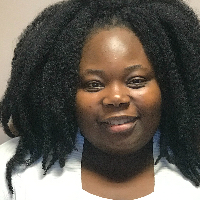
Dana Legrande, LCSW
Licensed in New York · 12 years in practice
Dana Legrande is a Licensed Clinical Social Worker with twelve years of experience helping people navigate stress, anxiety, depression, bipolar disorder, addictions, and life transitions.
License and registration
- LCSW, New York
- 080869 · expires November 2027
- NPI
- 1255898342 · national provider identifier
- Years in practice
- 12
- Languages
- English
Details are as listed on the therapist's public professional profile. You can check any license with the state board and any NPI with the national registry.
About Dana
Dana Legrande is a Licensed Clinical Social Worker with twelve years of experience helping people navigate stress, anxiety, depression, bipolar disorder, addictions, and life transitions. She speaks plainly and aims to make conversations feel steady and manageable for someone who is overwhelmed. Her approach mixes practical steps with attention to relationships and emotional patterns.
She uses attachment-based ideas to look at how early relationships shape current connections and emotional reactions.
Background and approach
Client-centered techniques guide sessions so the person’s goals stay central. The Gottman Method informs her work on relationship and intimacy-related issues, using structured tools to improve communication and reduce conflict. Motivational interviewing supports people who feel stuck or unsure about change, especially around substance use and behavioral shifts.
Solution-focused work helps set short-term goals and identify small, achievable steps that lead to momentum. These methods are applied with compassion and straightforward discussion rather than jargon. Dana often blends education about mental health with practical behavior changes and attention to family history.
She uses a 12-step-informed framework when appropriate, offering resources and problem identification alongside relapse prevention and coping skills. Humor and warmth are woven into sessions when helpful. Clients can expect a mix of skill-building, exploration of relationship patterns, and planning for long-term goals.
Sessions focus on what the person wants to change and concrete steps to get there. The tone is supportive, honest, and focused on making daily life feel more manageable.
Focus areas and approaches
Everything Dana lists on their public professional profile, in their own terms.
- Stress, Anxiety
- Self esteem
- Bipolar disorder
- Depression
- Coping with life changes
- Addictions
- Relationship issues
- Family conflicts
- Intimacy-related issues
- Parenting issues
- Anger management
- Compassion fatigue
- ADHD
Approaches Dana names
- Attachment-Based Therapy
- Client-Centered Therapy
- Gottman Method
- Motivational Interviewing
- Solution-Focused Therapy
Naming an approach is not evidence of training in it. This directory copies what each therapist lists and does not check training records.
Online support
How attachment and practical methods work online
Online sessions use attachment-based work to look at how relationships shape feelings today; this helps when anxiety, intimacy issues, or family patterns cause distress. Client-centered therapy keeps the person’s goals and preferences at the center, so conversations focus on what matters most to the client and progress at their pace.The Gottman Method offers concrete tools for improving communication and managing conflict in relationships, including exercises and structured feedback that translate well to video or phone sessions. Motivational interviewing supports readiness to change, especially for addictions or behavior change, by guiding people to discover their own reasons for taking steps forward.
Finding the right mix of approaches is a collaborative process. The therapist will talk through goals, try methods that fit those goals, and adjust plans together based on what helps most. Clients are invited to give feedback so the work stays focused and useful.
Online formats - video calls, phone sessions, live chat, and text-based messaging - give flexibility. Video calls allow face-to-face conversation and visual cues. Phone sessions can be easier when bandwidth or mobility is limited. Live chat and text messaging suit quick check-ins, brief coaching, or work between sessions. These options make it easier to fit therapy into a busy life and keep momentum between meetings.
We will earn a commission if you sign up through our link, at no cost to you. It does not change what you pay or the order of the listings.
Questions people ask
What concerns does this therapist address?
She works with stress, anxiety, depression, bipolar disorder, addictions, ADHD, anger, parenting and intimacy-related issues.
What is her general therapeutic style?
Sessions combine attachment-based and client-centered approaches with practical, solution-focused steps and motivational interviewing to support change.
What experience does she bring to sessions?
She has twelve years of clinical experience working with people managing mental health and substance use concerns and life transitions.
Where is she licensed and located?
She is a Licensed Clinical Social Worker (LCSW) licensed in New York and practices out of New York.
Which languages are supported for therapy?
Sessions are offered in English.
What session formats are available online?
Sessions can be conducted by video calls, phone sessions, live chat, or text-based messaging.
How are costs and billing handled?
Cost varies with location and therapist availability, and sessions use a subscription that can be canceled at any time.
How do I begin working with her?
Select the Start Therapy button, complete a short matching questionnaire, and schedule according to therapist availability.
More therapists in New York
See all
LaTisha Honor
LCSW
Compassionate guidance for relationship and self issues
- Relationship
- Trauma and abuse
- Intimacy-related issues

Is this your profile?
Ask us to correct details or take the page down.
Contact us