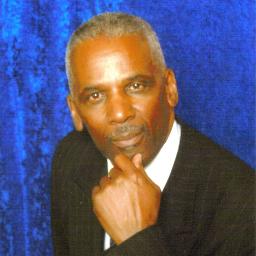
Roosevelt Jordan, LCSW
Licensed in California · 20 years in practice
Roosevelt Jordan is a Licensed Clinical Social Worker who helps people facing stress, anxiety, addiction, relationship strain, depression, trauma, grief, and other life challenges.
License and registration
- LCSW, California
- 28071 · expires July 2027
- NPI
- 1033390570 · national provider identifier
- Years in practice
- 20
- Languages
- English
Details are as listed on the therapist's public professional profile. You can check any license with the state board and any NPI with the national registry.
About Roosevelt
Roosevelt Jordan is a Licensed Clinical Social Worker who helps people facing stress, anxiety, addiction, relationship strain, depression, trauma, grief, and other life challenges. He draws on two decades of practice to listen, reflect, and help people find workable steps forward. Roosevelt focuses on building trust first.
He uses careful listening and simple, direct conversation to understand what feels most urgent. Sessions tend to be collaborative and paced to each persons needs rather than rushed or overly technical.
Background and approach
He combines practical methods such as cognitive behavioral techniques with client-centered and mindfulness approaches. That means he helps people notice patterns of thought and behavior, try small experiments, and bring attention back to the present moment when emotions become overwhelming. Roosevelt also brings attention to life meaning and choices using existential ideas.
Those conversations often help when people face major changes, chronic uncertainty, or questions about purpose. Motivational interviewing is used when someone wants to change a habit but feels stuck or uncertain about how to begin. His background includes work across a range of concerns including process addictions, obsessive thinking, sexual assault and abuse, hospice and end-of-life issues, and HIV/AIDS related concerns.
Roosevelt works with adults and supports people navigating parenting challenges, career transitions, intimacy issues, and coping with intense emotions. Sessions are offered in English and he practices in California. He approaches care with straightforward language and an emphasis on building a steady working relationship that moves toward the goals a person sets.
Focus areas and approaches
Everything Roosevelt lists on their public professional profile, in their own terms.
- Stress, Anxiety
- Addictions
- Relationship issues
- Family conflicts
- Depression
- Trauma and abuse
- Grief
- Intimacy-related issues
- Eating disorders
- Parenting issues
- Anger management
- Self esteem
- Career difficulties
- Bipolar disorder
- Coping with life changes
- HIV / AIDS
- Hospice and end-of-life counseling
- Obsessions, compulsions, and OCD
- Personality disorders
- Phobias
- Process addiction (porn, exercise, gambling)
- Self-harm
- Sexual assault and abuse
Approaches Roosevelt names
- Client-Centered Therapy
- Cognitive Behavioral Therapy (CBT)
- Existential Therapy
- Mindfulness Therapy
- Motivational Interviewing
- Psychodynamic Therapy
Naming an approach is not evidence of training in it. This directory copies what each therapist lists and does not check training records.
Online support
Approaches that translate to online care
Client-Centered Therapy focuses on listening closely and responding to what matters most to the person. In online sessions this means the therapist mirrors concerns, asks questions, and helps a person feel heard before moving to steps for change.Cognitive Behavioral Therapy (CBT) helps people spot unhelpful thoughts and try different behaviors to see what works. Online CBT commonly uses short experiments between sessions and step-by-step problem solving to reduce anxiety, manage mood, and address patterns linked to addictions or compulsions.
Motivational Interviewing supports people who want to change a habit but feel stuck. The therapist uses open questions and reflective listening to draw out a persons own reasons for change and small, realistic next steps.
Choosing an approach is a team effort. Roosevelt will talk with each person about their goals, try methods that fit those goals, and adjust the plan as needed. That collaborative process helps find what feels most helpful for the individual.
Online sessions can be scheduled as video calls, phone sessions, live chat, or text-based messaging. Video calls allow face-to-face conversation and visual cues, phone calls work when bandwidth is limited or screens are unwanted, and chat or messaging can be used for shorter check-ins or when typing feels easier. These options make it simpler to fit therapy into work, caregiving, or travel schedules while keeping the focus on real, usable steps forward.
We will earn a commission if you sign up through our link, at no cost to you. It does not change what you pay or the order of the listings.
Questions people ask
What concerns does Roosevelt help with?
He supports people with stress, anxiety, depression, addictions, trauma and abuse, grief, relationship and intimacy issues, eating and parenting concerns, bipolar disorder, and coping with life changes.
What is the general approach to therapy?
The work is collaborative and practical, using client-centered listening alongside cognitive behavioral and mindfulness techniques to identify patterns and try workable changes.
How much clinical experience does he have?
Roosevelt has about 20 years of professional experience as a Licensed Clinical Social Worker in clinical settings.
Where is Roosevelt based and what credential does he hold?
He practices in California and holds the LCSW credential, listed as CA LCSW.
Which languages are supported and can international clients connect?
Sessions are offered in English and international clients are accepted.
What session formats are offered?
Sessions are available by video calls, phone sessions, live chat, or text-based messaging to suit different schedules and needs.
How are fees handled?
Cost varies with location and therapist availability; sessions use a subscription model that can be canceled at any time.
How do I begin therapy with him?
Start by selecting the Start Therapy button, completing a short matching questionnaire, and then scheduling according to therapist availability.
More therapists in California
See allDeneta Jones-Udefi
LCSW
Practical support for relationships and personal growth
- Relationship
- Parenting
- Self esteem


Kendall Jones
LCSW
Calm guidance for grief, anxiety, and relationship struggles
- Stress, Anxiety
- LGBT
- Trauma and abuse

Mark Saverino
LCSW
Compassionate, practical support for life's hard moments
- Stress, Anxiety
- Grief
- Anger

Is this your profile?
Ask us to correct details or take the page down.
Contact us