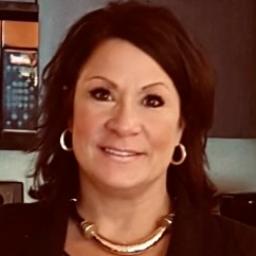
Maria Wilson
LCSW
Compassionate, practical therapy for stressed parents and adults
- Stress, Anxiety
- Relationship
- Family
Clinical social work directory
1,411 therapists list self-harm among the things they work with. All offer sessions online, and every profile shows the registering body, the membership number and when it runs to.
This page lists Licensed Clinical Social Workers (LCSWs) who identify self-harm as a focus area. Browse profiles below to review credentials, languages, approaches, and clinical experience with this concern.
Use the listings to learn more about each LCSW and the kinds of support they offer for people coping with self-harm and related challenges.
LCSW
Compassionate, practical therapy for stressed parents and adults
LICSW, LCSW
Calm, steady support for life’s hard changes
LCSW
Compassionate social worker focused on practical change
LCSW
Calm, client-led therapy for lasting change
LCSW
Compassionate therapist helping people build stronger coping skills
LCSW
Restorative, practical therapy for everyday challenges
LCSW
Practical, strengths-based help for life changes
LCSW
Practical, respectful therapy focused on real life
Experienced social worker and clinician
LCSW
Practical support for stress and relationships
LCSW
Practical, evidence-based support for stress and trauma
LCSW
Experienced LCSW providing steady support
LICSW, LCSW, CSW
Practical, compassionate support for life transitions
LCSW
Practical, steady care from an experienced LCSW
LCSW, LISW
Practical, strengths-focused therapy for everyday challenges
LCSW, CSW
Compassionate social worker focusing on relationships
LCSW
Compassionate, practical care for mood and life changes
LCSW
Calm, practical support for life’s hard moments
LCSW
Experienced LCSW guiding practical change
LCSW
Practical, skills-focused therapy for life challenges
LCSW
Compassionate, practical therapy focused on everyday life
LICSW, LCSW
Compassionate social worker who supports change
LICSW, LCSW
Practical support for young adults' emotional growth
LCSW
Calm, experienced therapist focused on practical change
LISW, LCSW, CSW
Compassionate social worker who values practical steps
LCSW
Practical, collaborative therapy for real life struggles
LCSW
Experienced Illinois LCSW helping with mood and relationships
LCSW
Compassionate, practical therapy for everyday struggles
LCSW
Compassionate, practical therapy for life challenges
LCSW
Compassionate social worker for practical change
LCSW
Practical trauma recovery and addiction support
LCSW
Calm, practical support for real-life challenges
LCSW
Compassionate, practical therapy for everyday struggles
LCSW
Compassionate, practical therapy for life’s hard moments
LCSW
Compassionate therapy for life’s difficult moments
LCSW
Compassionate practical support for stress and identity
Some links on this page are partner links. We will earn a commission if you sign up through one, at no cost to you. It does not change what you pay or the order of the listings.
Self-harm refers to behaviors people use to cope with overwhelming emotions, intense stress, or dissociation from feelings. It can include cutting, burning, hitting, hair-pulling, or other intentional acts that cause physical injury. For some, self-harm is a short-term strategy that helps manage acute emotional pain; for others it becomes a persistent pattern that affects daily functioning, relationships, work, and school. The reasons people engage in self-harm vary widely - some use it to feel more grounded, to release numbness, to punish themselves, or to communicate distress when words feel inadequate.
Because self-harm intersects with emotion regulation, trauma, substance use, and life stressors, its impact is both physical and psychological. You might experience cycles of shame and relief after an episode, or find that injury leads to medical complications or social isolation. Understanding self-harm starts with recognizing that it is a coping behavior rather than a moral failing, and that addressing it often requires attending both to immediate safety and to the circumstances that maintain it.
You might consider reaching out to a licensed clinical social worker if self-harm is happening more frequently, if wounds are not healing, or if episodes leave you feeling out of control. Changes in mood that accompany self-harm - such as increasing hopelessness, escalating anger, deep withdrawal from friends and family, or sudden shifts in behavior - can indicate that additional support would be helpful. A person who hides injuries, wears long sleeves in hot weather to avoid questions, or shows signs of growing secrecy around self-injury may be struggling with shame or fear of judgment.
It's also common for self-harm to co-occur with other stressors you may be facing: housing instability, difficult family situations, workplace stress, or challenges accessing care. Because LCSWs are trained to look at a person's circumstances alongside their internal struggles, they can help you and your supports understand how environmental factors contribute to patterns of self-harm and where practical changes might reduce risk.
Your first sessions with an LCSW typically include an assessment that explores the pattern of self-harm, current safety, mental health history, social supports, and practical needs. The clinician will ask about recent stressors, past coping strategies, prior treatment, and any medical issues. Because LCSWs are licensed by state boards, they follow local regulations about recordkeeping and mandated reporting; you can ask about those rules and how disclosures are handled during an initial contact.
After the initial assessment, an LCSW will usually collaborate with you to set short-term safety goals and longer-term goals that reflect both emotional and practical needs. Safety planning is a common early priority - identifying steps to reduce immediate harm, ways to manage triggers, and supports to contact in crisis. Over time you and the LCSW may work on emotion regulation skills, alternatives to self-harm, processing experiences that contribute to distress, and practical problem solving around housing, employment, or family dynamics. Many LCSWs integrate a person-in-environment perspective, which means they will consider how your living situation, community resources, and daily responsibilities interact with your emotional life. That can lead to referrals or coordination with other services when addressing broader needs is helpful.
Licensed clinical social workers take a range of clinical approaches. You will find therapists who list dialectical behavior therapy (DBT) among their approaches; DBT emphasizes skills for emotion regulation, distress tolerance, interpersonal effectiveness, and mindfulness. Other LCSWs may list cognitive-behavioral approaches that focus on identifying and shifting patterns of thinking and behavior that contribute to self-harm. Some clinicians describe trauma-informed approaches, which prioritize safety and choices while addressing past experiences that may underlie current coping strategies.
In practice, work on self-harm often combines skills training, exploration of triggers and meaning, and coordination with medical or psychiatric care as needed. You may encounter clinicians who emphasize collaborative safety planning, relapse prevention strategies, and developing alternative ways to manage intense moments. Because LCSWs are trained to assess social determinants of health, you may also see attention to concrete needs - finding support for housing, benefits, school, or work - alongside therapeutic work. On this directory you will find LCSWs who list a variety of approaches and special interests; asking how an individual clinician integrates skills, exploration, and practical assistance can help you understand how a given LCSW might work with you.
Online sessions with a licensed clinical social worker let you connect by video or phone from your own location. Before starting, it's useful to confirm how the clinician manages emergency situations, which state license covers the session, and how records are kept. For video sessions you will want to plan to be in a quiet space where you can speak freely and without interruption. Make sure your device and internet connection support a smooth call, and discuss with your LCSW what to do if the connection drops during a difficult moment. Some LCSWs coordinate care with local crisis services or family members when risk is high, and you can ask them how that coordination generally proceeds.
When evaluating profiles, focus on the credentials and experience the LCSW lists: their licensure, the populations they work with - such as adolescents, young adults, or older adults - and any languages they speak. Look for descriptions that mention working with self-harm, emotion regulation, crisis response, or related areas. Consider whether you want a clinician who emphasizes skills training, trauma-informed work, or addressing social and environmental needs. You may also want to note whether an LCSW lists experience coordinating with other services like medical providers, family supports, or school systems. Cost and payment options matter too, so check whether the clinician notes insurance participation or a sliding scale policy in their profile. Finally, trust your sense of fit - the relationship with your clinician is an important part of the work, and it is reasonable to seek an LCSW whose approach and background align with your needs.
Choosing to reach out is a step toward understanding the patterns that keep you stuck and toward building alternatives that reduce harm. Licensed clinical social workers bring a combined focus on your emotional experience and the life circumstances that shape it, which can be especially useful when self-harm is tied to environmental stresses. Use the listings on this page to learn more about the LCSWs who identify self-harm as an area of focus, and to prepare questions that matter to you when you contact a clinician for an initial conversation.