Clinical social work directory
Therapists licensed in Maine
66 Licensed Clinical Social Workers in this directory hold a license issued in Maine. Sessions are online; a therapist can usually only see people in the states where they hold a license, so check the license panel on each profile.
Welcome to the Maine directory of licensed clinical social workers (LCSWs). All therapists listed here hold active licenses issued by state boards; you can explore profiles to learn about their focus areas, languages, and experience.
Use the listings below to begin researching online sessions with an LCSW who may match your needs.

Samantha Chaplin
LCSW, LICSW
Calm, practical support for everyday challenges
- Stress, Anxiety
- Addictions
- Parenting
Nirvana Shaw
LCSW
Experienced mind-body LCSW supporting life changes
- LGBT
- Career
- Coping with life changes

Reba Parla
LCSW
Practical, strengths-based support for lasting change
- Stress, Anxiety
- Anger
- Self esteem
Kimberly Struck
LCSW
Calm, practical care for stress and trauma
- Trauma and abuse
- Parenting
- Self esteem
Lynette Roy
LCSW
Compassionate practical therapy for life transitions
- Stress, Anxiety
- Grief
- Depression

Deanna (Dani) Minsky
LCSW
A practical, compassionate LCSW for life challenges
- Stress, Anxiety
- Trauma and abuse
- Grief


Isabelle Vachon
LCSW
Practical, down-to-earth therapy for relationship and life stress
- Relationship
- Family
- Trauma and abuse

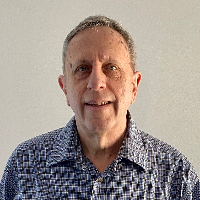
Prof. Shawn Young
LICSW, LCSW
Practical, respectful therapy for real-life struggles
- Stress, Anxiety
- Relationship
- Family


Bianca Newton
LCSW
Practical support for stress and trauma recovery
- Stress, Anxiety
- Trauma and abuse
- Self esteem

Laura Henckler
LCSW
Experienced LCSW offering practical, direct support
- Stress, Anxiety
- Self esteem
- Depression
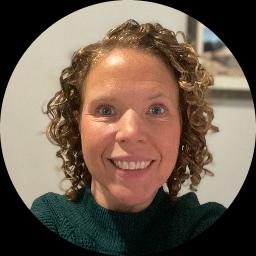
Christina McGuire
LCSW
Calm, practical support for life’s hard moments
- Stress, Anxiety
- Relationship
- Self esteem
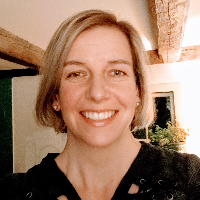
Andrew Bradley
LCSW
Practical, evidence-based help for emotional struggle
- Stress, Anxiety
- Addictions
- Anger

Jennifer Scott
LICSW, LCSW
Warm, practical support for stress and trauma
- Stress, Anxiety
- Trauma and abuse
- Grief

Melissa Fernald
LCSW
Calm, practical therapy for real-life stressors
- Stress, Anxiety
- Family
- Trauma and abuse
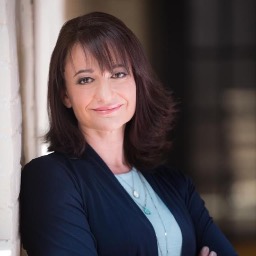

Jennifer McCann
LCSW
Supportive LCSW focused on real-life change
- Stress, Anxiety
- LGBT
- Trauma and abuse
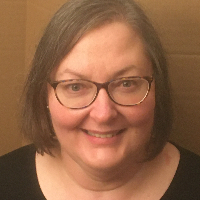

Sean O'Hara
LCSW
Practical, person-centered support for life changes
- Stress, Anxiety
- Grief
- Self esteem

Julia Burns
LICSW, LCSW
Compassionate help for life’s difficult changes
- Trauma and abuse
- Grief
- Self esteem

Ilene Schneider
LCSW
Compassionate, practical support for real-life struggles
- Stress, Anxiety
- Grief
- Self esteem

Prof. Margaret Anzalone
LICSW, LCSW
Compassionate, practical therapy for real-life struggles
- Stress, Anxiety
- LGBT
- Relationship
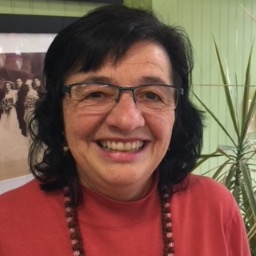
Anna McIver
LCSW
Compassionate clinician for relationship and mood struggles
- Stress, Anxiety
- Relationship
- Family
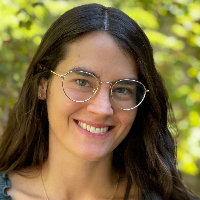
Theresa Flannery-Blachura
LCSW
Affirming, practical support for anxiety and trauma
- Stress, Anxiety
- LGBT
- Relationship

Ursula Hanson
LCSW
Supportive LCSW focused on practical tools
- Stress, Anxiety
- Relationship
- Self esteem



Rosemary Lough
LCSW, LICSW
Experienced clinical social worker focusing on practical help
- Stress, Anxiety
- Trauma and abuse
- Grief

Amy VanDorn
LCSW
Compassionate practical support for daily struggles
- Stress, Anxiety
- Family
- Trauma and abuse
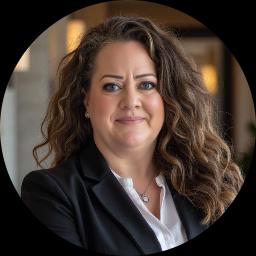
Angela Currier
LCSW
Calm, practical therapy focused on connection
- Stress, Anxiety
- Family
- Trauma and abuse
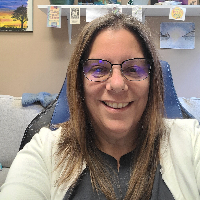
Mai Huong Nguyen
LCSW
Compassionate social work with practical tools
- Stress, Anxiety
- Relationship
- Trauma and abuse
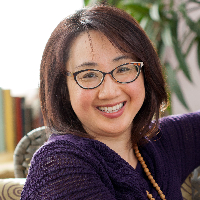
Daniel Sigel
LCSW
Warm, practical therapy for stress and trauma
- Stress, Anxiety
- Trauma and abuse
- Parenting

Joseph Graham
LCSW
Practical support for stress and relationships
- Stress, Anxiety
- Addictions
- Relationship

Suzanne St Pierre-Donovan
LCSW
Practical support for stress and life changes
- Stress, Anxiety
- Grief
- Self esteem

Nancy Ray
LCSW
Compassionate LCSW focusing on anxiety and parenting
- Stress, Anxiety
- Relationship
- Parenting

Chelsea Feeney
LCSW
Compassionate help for everyday struggles
- Stress, Anxiety
- Grief
- Intimacy-related issues

James Green
LCSW
Calm, experienced guidance for life’s hard moments
- Stress, Anxiety
- Relationship
- Trauma and abuse

Nicole Phelan
LCSW
Practical, direct support for everyday struggles
- Stress, Anxiety
- Family
- Trauma and abuse
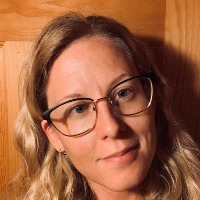
Emily Baronfeld
LCSW
Compassionate therapist for anxiety and body image
- Stress, Anxiety
- Trauma and abuse
- Eating

Jesse Corbin
LCSW
Compassionate LCSW helping people find balance
- Stress, Anxiety
- Trauma and abuse
- Grief

Lanette Bryant
LCSW
Supporting practical change with respectful care
- Stress, Anxiety
- Addictions
- Trauma and abuse

Andrea Daigle
LCSW
Therapist focused on practical coping skills
- Stress, Anxiety
- Trauma and abuse
- Grief
Carrie Harris
LICSW, LCSW
Compassionate, practical support for life's hard moments
- Stress, Anxiety
- Trauma and abuse
- Grief
Some links on this page are partner links. We will earn a commission if you sign up through one, at no cost to you. It does not change what you pay or the order of the listings.
Overview: Online care with LCSWs in Maine
Online sessions with a licensed clinical social worker (LCSW) have become a common option for people across Maine who want clinical social work services without traveling to an office. LCSWs are social work professionals who completed a master of social work degree, a period of supervised post-graduate clinical experience - commonly two to three years and several thousand hours, varying by state - and a clinical licensing examination. The license itself is issued and renewed by a state board, so the exact title and scope of practice can differ from one state to another. On this page you will find LCSWs who list online sessions among the ways they work, along with information you can use to learn more about each clinician's background, focus areas, and the languages they speak.
Because social work training emphasizes a person-in-environment perspective, an LCSW typically looks beyond symptoms to the practical and social factors that affect your daily life. That means an LCSW will often consider housing, work, family, community connections, and access to supports alongside your internal experiences. If that broader lens is important to you, online sessions with an LCSW can offer both clinical attention and practical problem-solving tailored to your circumstances in Maine.
Benefits of online sessions for Maine residents
Online sessions can reduce the time and travel needed to receive clinical social work support, which is especially useful in a rural state where appointments might otherwise require long drives. You can connect from your home, a workplace break, or another setting that feels comfortable, and that can make it easier to maintain a regular schedule of clinical sessions. For people with mobility limits, caregiving obligations, or tight work schedules, online sessions can lower several practical barriers to accessing an LCSW's expertise.
Beyond convenience, online sessions can expand the range of clinicians you can learn about. You may find an LCSW whose experience aligns with your concerns - for example, working with trauma, family systems, or life transitions - even if there is no one with that background close to where you live. Keep in mind that each clinician's profile will describe the populations they work with and the kinds of issues they commonly address. When you read profiles, look for details about years of experience, languages spoken, and any specific focus areas they mention. That way you can identify LCSWs whose perspectives and backgrounds match what you want from clinical social work support.
What issues Maine LCSWs commonly help with
LCSWs in Maine provide clinical support for a wide range of concerns. Many work with people facing anxiety, depression, relationship stress, grief and loss, life transitions such as career change or retirement, and the practical strains of caregiving. Because social work emphasizes the interaction between a person and their environment, LCSWs frequently help people navigate stressors tied to housing, employment, and access to community resources. You can expect an LCSW to attend to how external circumstances influence emotional health and to help identify realistic steps you can take within your context.
Some LCSWs list areas such as trauma, addiction-related concerns, parenting challenges, or chronic health conditions among the issues they commonly address. When a profile mentions particular approaches or modalities, remember that this site records what a clinician lists rather than verifying specialized certifications. If you see a clinician who lists an approach that matters to you, their profile can be a starting point for asking them directly how they integrate that approach into clinical work and whether it fits your goals.
How to verify an LCSW license in Maine
Licensure is managed by a state board and is the authoritative source for a clinician's status. To verify that someone holds an LCSW license in Maine, you can consult the Maine licensing board's online license lookup or contact the board by phone or email. When you search, look for the clinician's full name and license number, the license type listed as LCSW or the state's equivalent designation, the issue and expiration dates, and any public disciplinary history noted by the board. That public record helps you confirm that a clinician is recognized by the state board and current to practice under that credential.
Keep in mind that licensing rules vary across states. If a clinician is located outside Maine but lists online sessions, the ability to offer regulated clinical services to someone physically located in Maine typically depends on state regulations. For most people in Maine who want to work with an LCSW, choosing a clinician who is licensed by Maine's board ensures that the clinician is authorized to practice under the state's rules. Contacting the board directly can answer questions about licensure details and how to interpret the public record.
How to get started with an online LCSW and tips for choosing the right clinician
Beginning online sessions with an LCSW starts with clarifying what you want from clinical social work. Think about the immediate concerns you want to address and the kind of working relationship you prefer. When you review clinician profiles, pay attention to the populations they list, their stated focus areas, the languages they speak, and their professional background. You can also note whether they mention experience with issues similar to yours so you can ask focused questions when you reach out.
Practical considerations matter as well. Consider the session format they list, such as video or phone sessions, and whether they mention documentation or session length. It helps to ask potential clinicians about how they structure sessions, what a typical early session covers, and how they document goals and progress. Because social work takes the person-in-environment view, you may want to ask how a clinician integrates discussions of housing, work, family, and community resources into clinical work when those areas are affecting your well-being.
Choosing the right clinician often involves a mix of subject matter fit and interpersonal comfort. Look for an LCSW whose profile describes work with issues relevant to you and who communicates clearly about their approach. Consider language needs and cultural background if those factors matter for your engagement. Ultimately, you are choosing someone to work with over time, so trust your sense of whether their style and focus feel like a good match.
Practical first steps
When you are ready to begin, prepare a brief summary of your concerns and any relevant history so you can give a clear overview when you contact an LCSW. Ask about how they handle paperwork, informed consent, and fee arrangements. Confirm that they are licensed to practice with someone located in Maine and note the name and license number listed on the state board. If you rely on interpretation or speak a language other than English, look for clinicians who list that language on their profile.
Online sessions with an LCSW can be an effective way to access clinical social work services while keeping attention on both your inner experience and the practical context that shapes it. Take the time to read profiles, verify licensure, and ask specific questions so you can start clinical work on terms that feel clear and manageable to you.