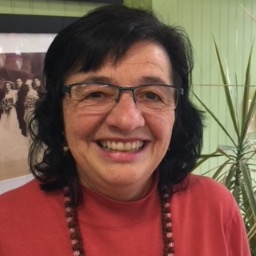
Prof. Margaret Anzalone, LICSW, LCSW
Licensed in Maine · 31 years in practice
Prof. Margaret Anzalone brings a client-centered approach to therapy.
License and registration
- LCSW, Maine
- LC16304 · expires August 2026
- LICSW, Massachusetts
- 1023484 · expires June 2027
- NPI
- 1932154234 · national provider identifier
- Years in practice
- 31
- Languages
- English
Details are as listed on the therapist's public professional profile. You can check any license with the state board and any NPI with the national registry.
About Margaret
Prof. Margaret Anzalone brings a client-centered approach to therapy. She focuses on listening first, then helping people set practical goals.
She uses cognitive behavioral and mindfulness techniques when helpful. She has worked in the field for more than three decades and is based in Maine. People come to her for many concerns including stress and anxiety, grief and loss, depression, relationship and intimacy issues, and substance use.
She also supports those facing life transitions like career shifts, midlife questions, or parenting stress.
Background and approach
Her work includes attention to LGBT matters, gender dysphoria, and young adult issues among other focuses. Sessions are aimed at clear, manageable steps rather than vague promises. Margaret mixes client-centered listening with concrete tools to change thoughts, habits, and daily routines.
Mindfulness practices are offered to help with sleep, anxiety, and emotional regulation. Solution-focused ideas are used to set brief, achievable goals when people need faster progress. She holds both an MA LICSW and a Maine LCSW and brings 31 years of professional experience to her practice.
That background has included pastoral counseling, spiritual direction, and therapeutic work across many populations and settings. Those past roles inform a flexible, person-focused style. Margaret works with people by video, phone, live chat, or text messaging.
She also accepts international clients. Getting started involves a short matching questionnaire and scheduling through the site. Costs vary with location and follow a subscription model that can be canceled at any time.
Focus areas and approaches
Everything Margaret lists on their public professional profile, in their own terms.
- Stress, Anxiety
- LGBT
- Relationship issues
- Grief
- Self esteem
- Addictions
- Family conflicts
- Trauma and abuse
- Intimacy-related issues
- Eating disorders
- Sleeping disorders
- Parenting issues
- Anger management
- Career difficulties
- Bipolar disorder
- Depression
- Coping with life changes
- Coaching
- Compassion fatigue
- ADHD
- Caregiver issues and stress
- Codependency
- Communication problems
- Drug and alcohol addiction
- Family problems
- Forgiveness
- Gender dysphoria
- Life purpose
- Midlife crisis
- Panic disorder and panic attacks
- Post-traumatic stress
- Self-love
- Social anxiety and phobia
- Women's issues
- Young adult issues
Approaches Margaret names
- Client-Centered Therapy
- Cognitive Behavioral Therapy (CBT)
- Mindfulness Therapy
- Solution-Focused Therapy
Naming an approach is not evidence of training in it. This directory copies what each therapist lists and does not check training records.
Online support
Approaches that translate well to online therapy
Client-Centered Therapy focuses on listening and understanding each person's needs. It emphasizes empathy and working at the client’s pace, which helps when discussing grief, relationship concerns, or life transitions. Cognitive Behavioral Therapy (CBT) breaks problems into thoughts, feelings, and actions. It offers step-by-step strategies for anxiety, depression, sleep problems, and addictive behaviors. Mindfulness Therapy teaches simple practices to notice thoughts and bodily sensations without judgment, useful for stress, panic, and improving sleep.Finding the right approach is part of the work. The therapist will collaborate with each person to choose which methods fit their goals and preferences. That might mean starting with client-centered listening, adding CBT exercises, and using mindfulness practices between sessions. The plan can change as needs evolve.
Online formats include video calls, phone sessions, live chat, and text-based messaging. Video allows face-to-face conversation and visual cues. Phone sessions are helpful when bandwidth is limited or a shorter check-in is needed. Live chat and text messaging work well for brief updates, moment-to-moment coaching, or continuing progress between longer sessions. These options make scheduling easier and let people access therapy from different locations and routines.
We will earn a commission if you sign up through our link, at no cost to you. It does not change what you pay or the order of the listings.
Questions people ask
What concerns does she address?
She helps people with stress, anxiety, depression, grief, relationship and intimacy issues, addictions, and many life transitions.
What is her general therapy style?
Her work is client-centered and practical, using listening first and then offering concrete tools from CBT, mindfulness, and solution-focused approaches.
What experience does she bring?
She has 31 years of professional experience that includes pastoral counseling, spiritual direction, and clinical social work practice.
Where is she located and what are her credentials?
She is based in Maine and holds an MA LICSW and a Maine LCSW.
Which languages are supported?
Sessions are offered in English, and she accepts international clients.
What session formats are offered?
Sessions are available by video calls, phone sessions, live chat, or text-based messaging.
How are sessions paid for?
Costs vary with location and therapist availability; sessions use a subscription that can be canceled at any time.
How do I begin working with her?
Start by selecting the Start Therapy button, complete a short matching questionnaire, and schedule according to the therapist's availability.
More therapists in Maine
See all
Samantha Chaplin
LCSW, LICSW
Calm, practical support for everyday challenges
- Stress, Anxiety
- Addictions
- Parenting

Nirvana Shaw
LCSW
Experienced mind-body LCSW supporting life changes
- LGBT
- Career
- Coping with life changes

Reba Parla
LCSW
Practical, strengths-based support for lasting change
- Stress, Anxiety
- Anger
- Self esteem
Is this your profile?
Ask us to correct details or take the page down.
Contact us